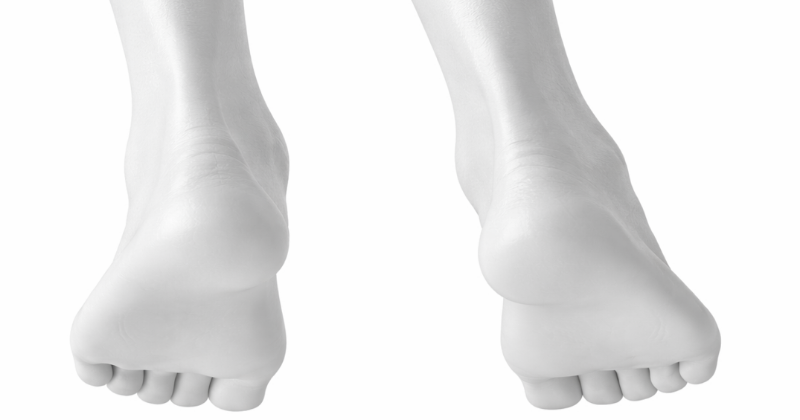
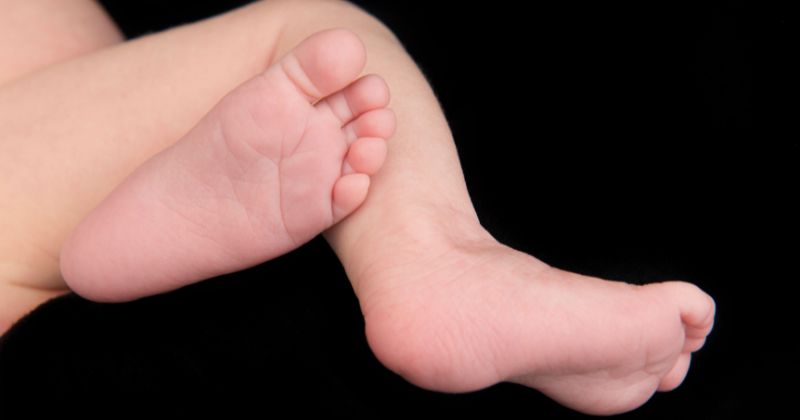
You know, when a patient comes into my office with this diagnosis, I often see the confusion in their eyes. "Doctor, what does all this mean?" they ask. At the beginning of my career, I too was a bit taken aback by such a long and complicated name.
The truth? It's a complex foot deformity. Really complex. The name says it all: we don't have a single problem, but five problems that appear at once, as if the foot had decided to "combine" all its defects at once.
What exactly happens to the foot?
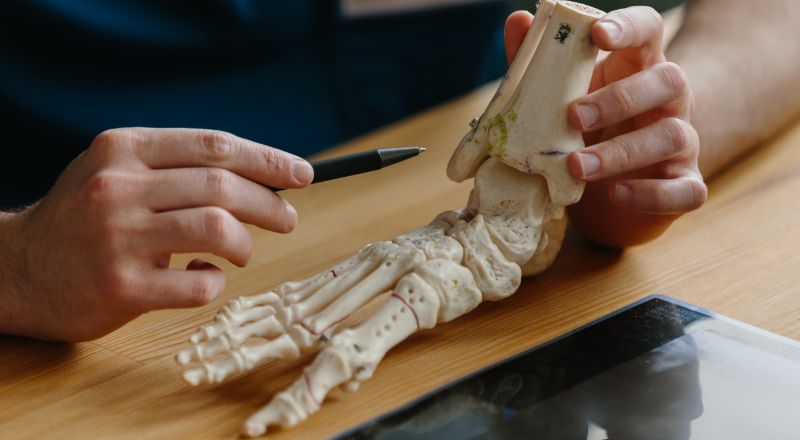
To understand the “pes cavus varus adductus supinate” deformity, try to imagine your foot as if it were a machine that doesn’t work well on several fronts at the same time.
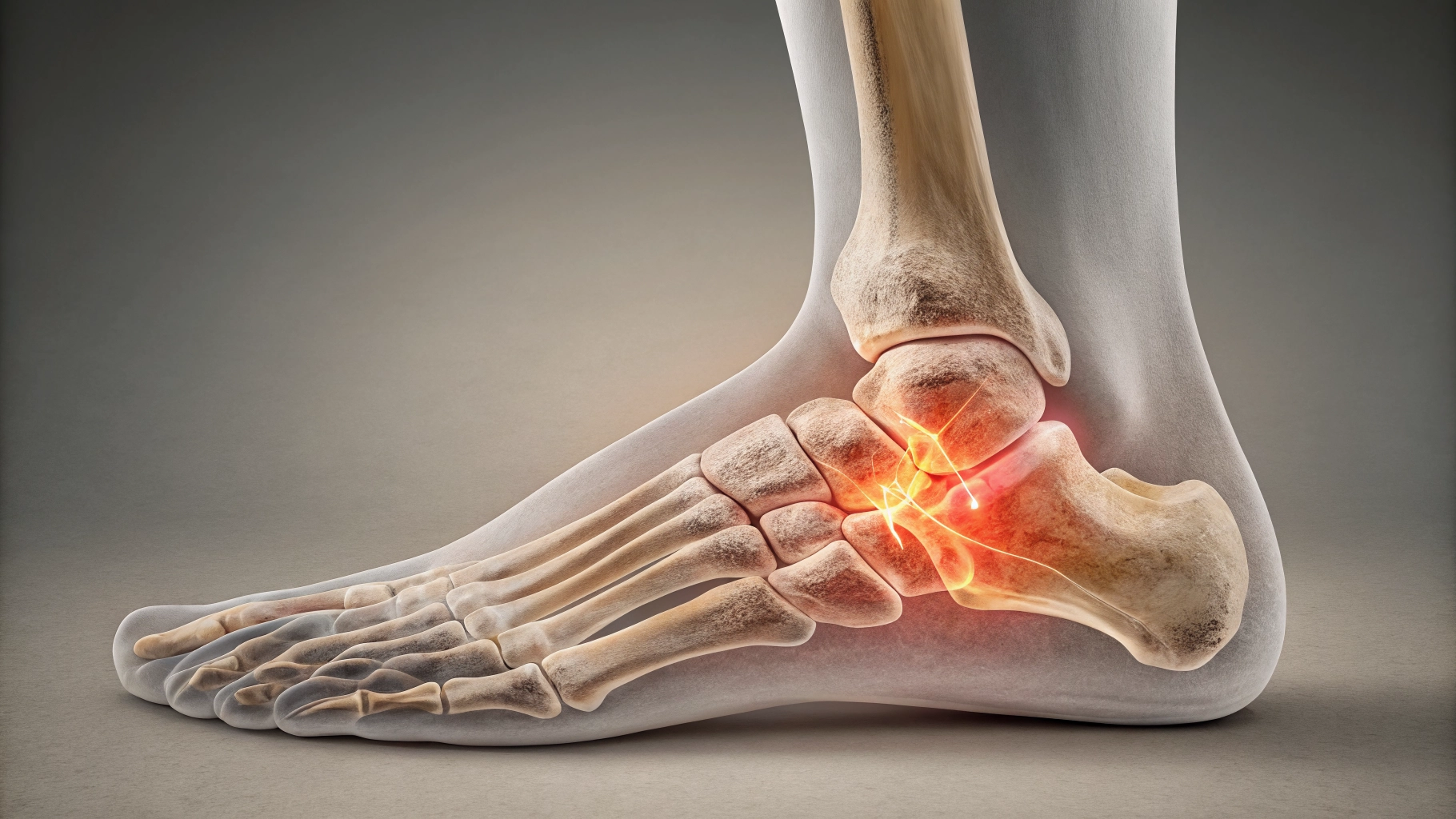
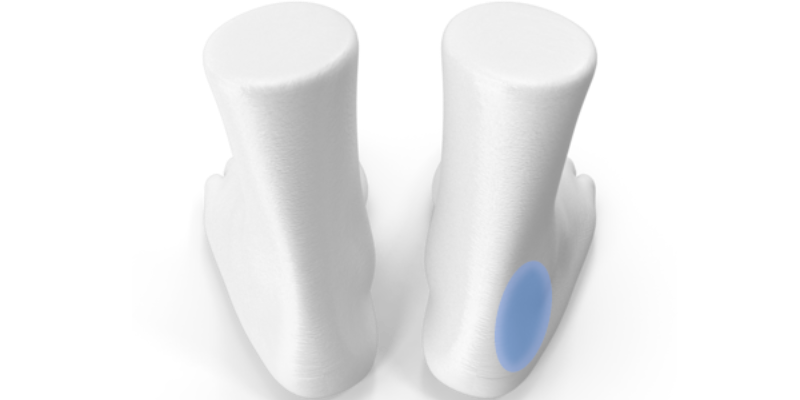
When I say "equinus," I mean the foot points downward, as if you're always standing on your heels. "Cush" means the arch is too high—that curve under the foot that should be normal becomes exaggerated. Then there's "varus": the heel turns inward, while adduction causes the entire foot to rotate internally. And finally, supination, where the sole points upward more than it should.
The result? A foot that appears twisted, that doesn't rest well on the ground, and that, unfortunately, causes considerable pain to those who have it.
The causes: why does it happen?

To be honest, we don't always understand exactly why this deformity develops. There are cases where it's born with the baby—we're talking about malformations that develop during pregnancy, perhaps linked to neuromuscular problems or specific genetic syndromes.
Other times, however, the cause is acquired over time. I have seen patients who developed it after significant trauma to the foot or ankle. Cerebral palsy can be a trigger, as can some neuropathies or diseases affecting muscles and nerves. Rheumatoid arthritis, in some cases, can contribute to this deformity.
What I can say is that each case has its own story. The other day, a 45-year-old patient came to me who had begun noticing these changes after a motorcycle accident a few years earlier—the trauma had damaged some nerves in the foot, gradually causing this complex deformity.
The symptoms that bring patients to me
Pain is almost always the first warning sign. It's not just any pain: patients often describe a feeling of "the foot never finding the right position." Walking becomes difficult, sometimes painful.
Limping develops naturally—it's the body trying to adapt to a foot that doesn't function as it should. And then there's the aesthetic aspect: the deformity is visible, obvious. This often leads to psychological problems, especially in young people.
Shoes? A real nightmare. They wear out unevenly, often impossible to find a pair that fits properly. Many patients tell me they've tried dozens of different models without ever feeling comfortable. And then there are the blisters and calluses that form at unusual pressure points.
How do I diagnose?
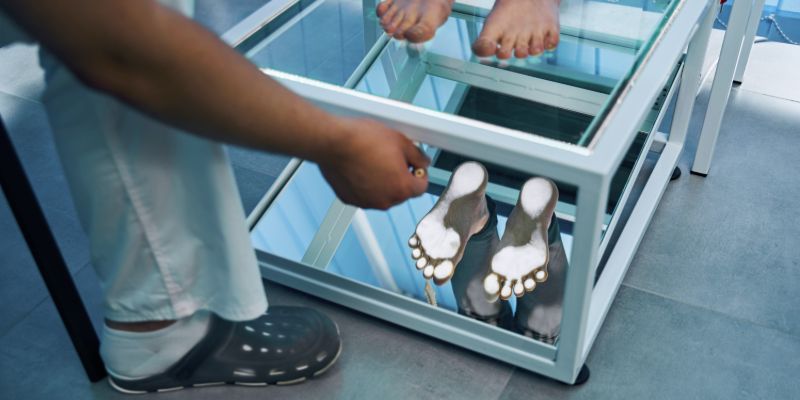
When a patient comes into my office, the diagnosis begins with the way they walk. I observe how they land, how they distribute their weight, and whether there's any obvious limping. Then, of course, I examine the foot directly: I look at the shape, feel the bone structures, and check the mobility of the joints.
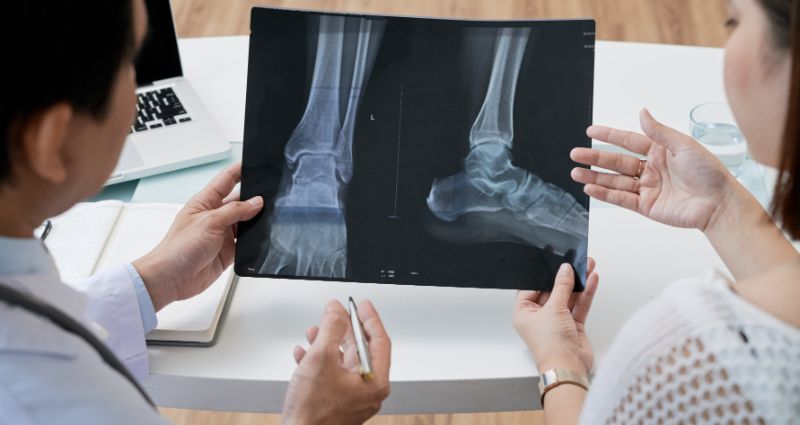
X-rays are essential for understanding exactly what's happening to the bones. They allow me to see the angles of deformity and plan any necessary surgery. In some cases, I also request an MRI to better evaluate the soft tissues—tendons, ligaments, and muscles.
Never forget neurological exams, especially if I suspect an underlying neuromuscular cause. It's important to determine whether the problem is merely orthopedic or something else.
Treatment options
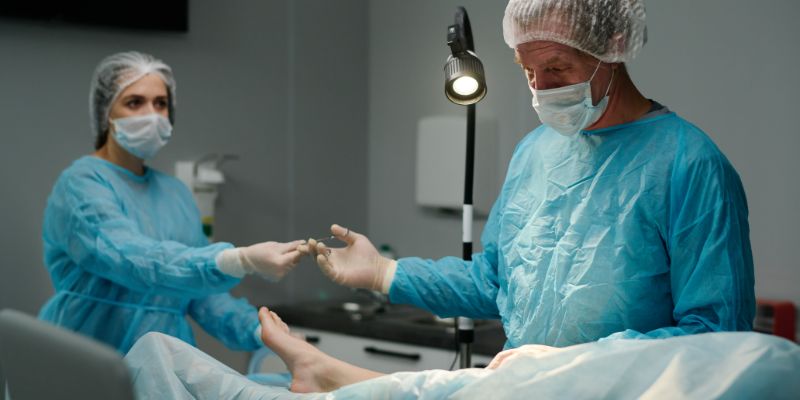
Here we come to the point that most interests patients: what can be done?
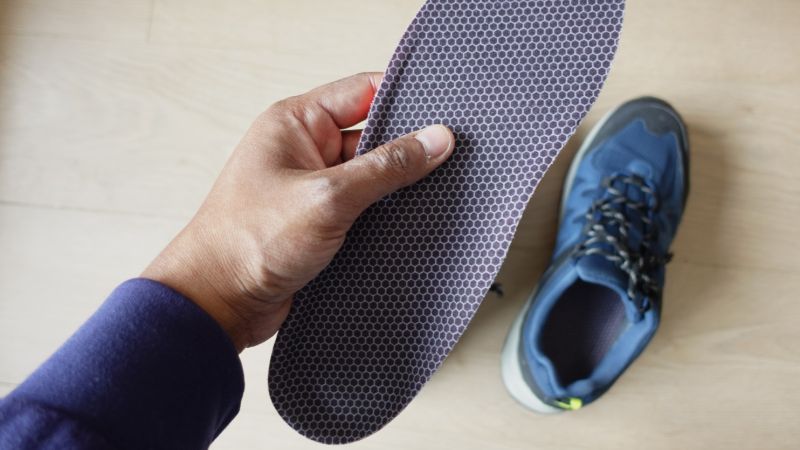
In less severe cases, especially if caught early, physiotherapy can be very helpful. We work on flexibility and muscle strength, and try to maintain as much mobility as possible. Custom-made orthotics can partially correct the deformity and, above all, provide pain relief.
Corrective footwear is another important tool. They're not pretty to look at, I admit, but they can significantly improve your quality of life.
When the problem is more serious, surgery becomes necessary. It's never an easy decision, neither for me nor for the patient. We can perform soft tissue releases to lengthen overly tight muscles and tendons. Other times, osteotomies are necessary—we cut and reposition bones to correct alignment. In more complex cases, arthrodesis (joint fusion) may be the only solution to stabilize the foot.
Recovery: What to Expect
The prognosis depends largely on when treatment begins and the severity of the deformity. Children generally have better outcomes because their structures are more "malleable." In adults, the process is longer and more complex.
After surgery, recovery takes time and patience. We're talking months, not weeks. But when things go well—and in most cases they do—patients tell me that their quality of life has completely changed.
Prevention: What we can do

Unfortunately, there's not much you can do in terms of prevention for congenital forms. What I can recommend is early diagnosis—if you notice something strange in your child's foot, don't wait for it to "grow out and fix itself."
For acquired forms, maintaining good physical fitness, avoiding trauma, and appropriately treating neuromuscular diseases can help prevent or slow the development of the deformity.
SmartHallux: Where we can help you
Dr. Luigi Manzi, who has gained specific experience in this field, follows each patient with a personalized path using the most modern techniques.
<strong>The Eurobursar</strong> SmartHallux deals with pathologies such ashallux valgus, Morton's neuroma and other deformities that cause foot pain. Providing comprehensive support throughout the treatment process, SmartHallux It can be a winning choice to obtain an effective treatment targeted to your needs, book now your specialist visit with the SmartHallux team.
FAQ
Doctor, will my son be able to walk normally?
This is the question that always breaks my heart, because I see the anxiety in parents. The answer depends on many factors, but I can say that with modern treatments, most children are able to walk and live normal lives. The important thing is not to waste time.
Is surgery always necessary?
No, not always. It depends on the severity of the case and the patient's age. In young children, we often achieve good results with conservative treatments. In adults with severe deformities, unfortunately, surgery is often the only option to reduce pain and improve function.
Will I be able to play sports after the operation?
This is a question I'm often asked by younger patients. The answer is: it depends. Low-impact sports like swimming or cycling almost always do. For higher-impact sports like soccer or running, it's a case-by-case evaluation. The main goal is to eliminate pain and restore good function.