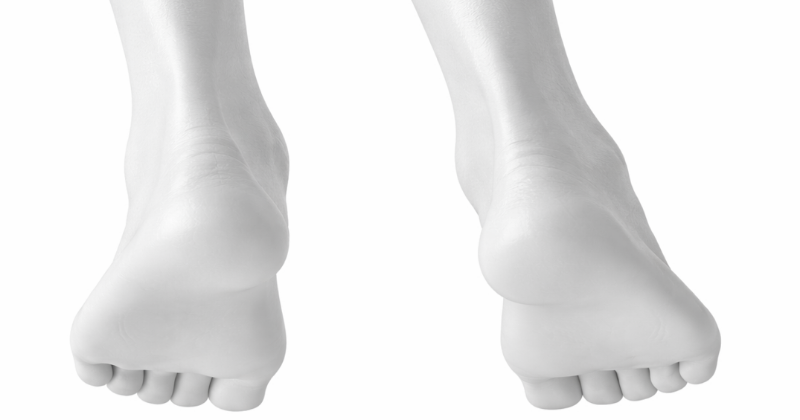
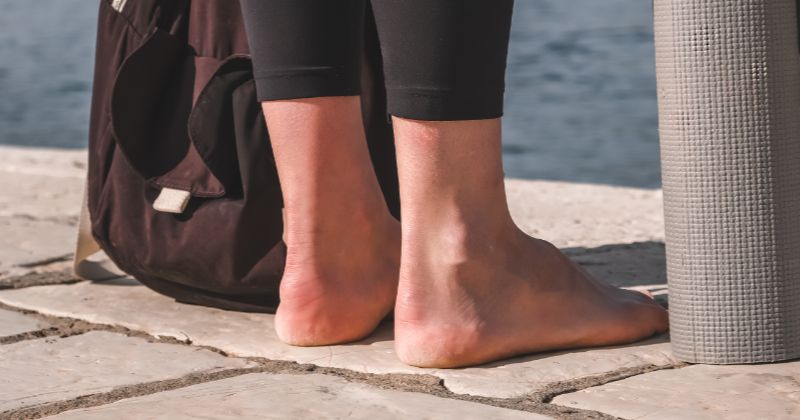
Sometimes discomfort starts far away, in the feet. Yet, we often don't immediately realize that the cause of certain recurring pains—in the ankles, knees, or back—may be traced back to a pronation problem . So-called pronated foot is a much more common condition than we think, and knowing the possible solutions is the first step to regaining freedom of movement.
What is pronated foot?

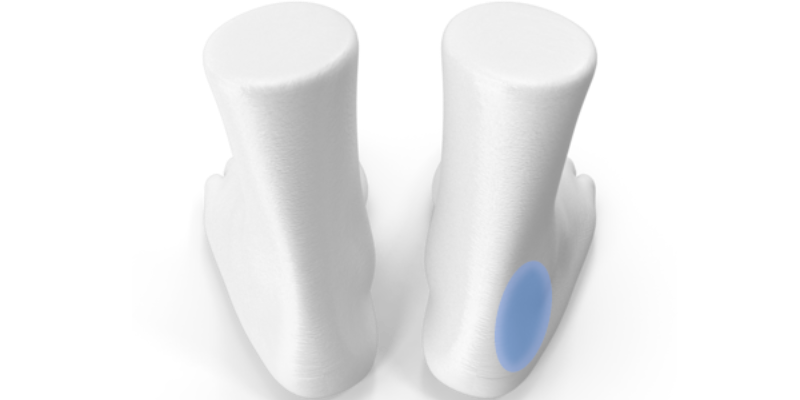
A pronated foot occurs when the arch of the foot tends to collapse inward during walking. It's as if the foot "gives in," unevenly redistributing body weight. This condition may be mild and asymptomatic, but in more severe cases, it can cause widespread pain and postural imbalances.
Pronation can be congenital , linked to the shape of the foot, or acquired, favored by factors such as unsuitable shoes, obesity , high-impact sports or simply by the aging of the tissues.
Symptoms and signs not to be ignored
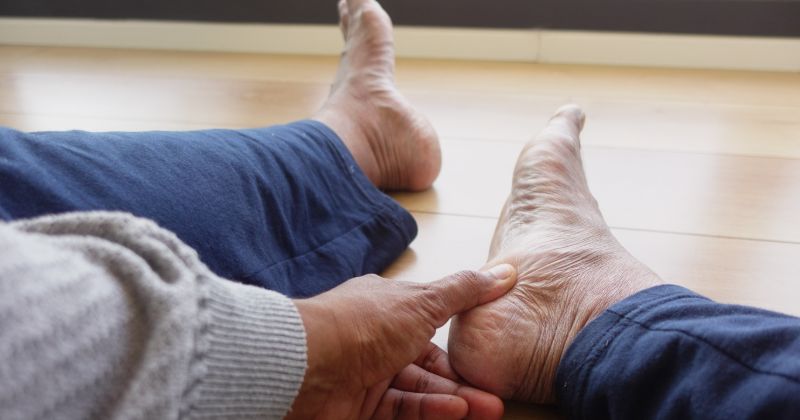
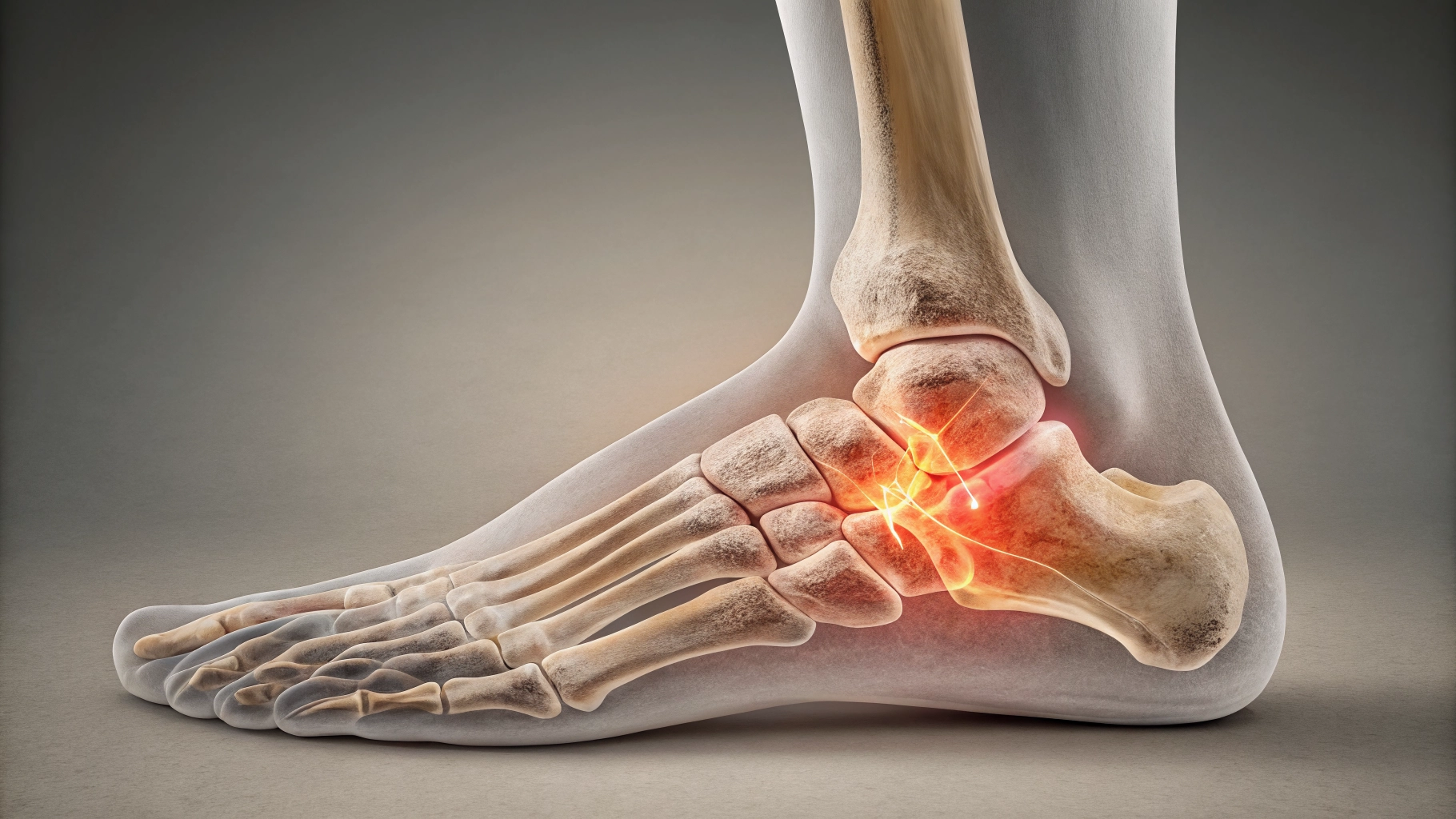
Those with a pronated foot may experience localized discomfort especially in the medial area of the foot (the innermost one), but also pain in the heel , tension in the ankles and a feeling of early fatigue when walking.
Some report episodes of instability or even falls, while others over time develop secondary conditions such as plantar fasciitis , Achilles tendinitis , bunions , or toe deformities. In more advanced cases, the altered posture also involves the knees and spine , with knock-on effects throughout the body.
Remedies for pronated feet: What really works?
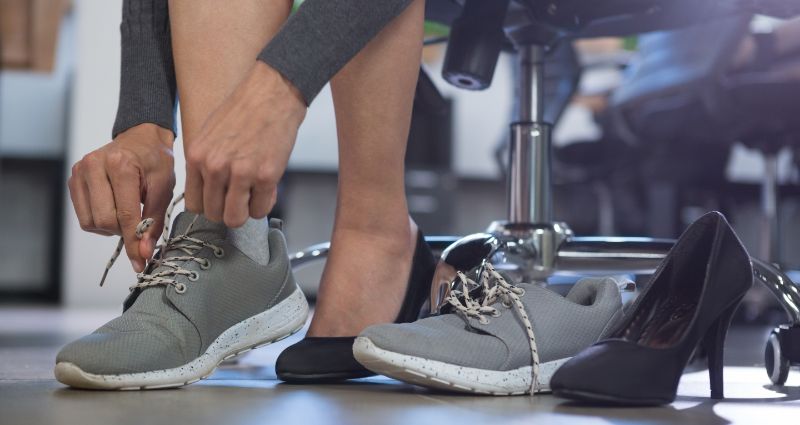
Fortunately, pronated feet are a manageable condition. The best approach is a personalized one, which evaluates the severity of the case and the individual's lifestyle. The most effective solutions range from prevention to treatment:
- Appropriate footwear: a shoe with good arch support and adequate cushioning can really make a difference, especially for those who spend a lot of time on their feet.
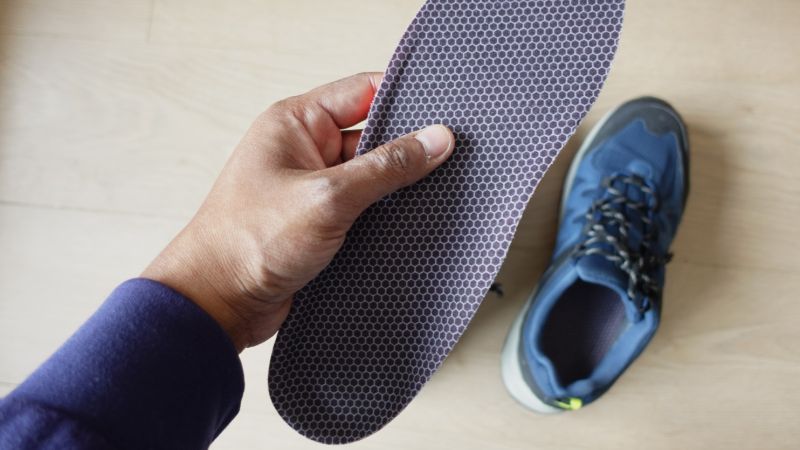
- Customized insoles: custom-made, they help realign the foot and reduce pronation and related symptoms.
- PhysiotherapyStrengthening the muscles of the foot, ankle, and calf is essential to improve movement control and reduce tension.
- Specific exercises: stretching of the triceps surae, mobilization of the foot and proprioceptive work help to stabilize the support.
- Weight control: losing even a few pounds significantly reduces the pressure on the foot, decreasing the risk of worsening.
And in the most serious cases?
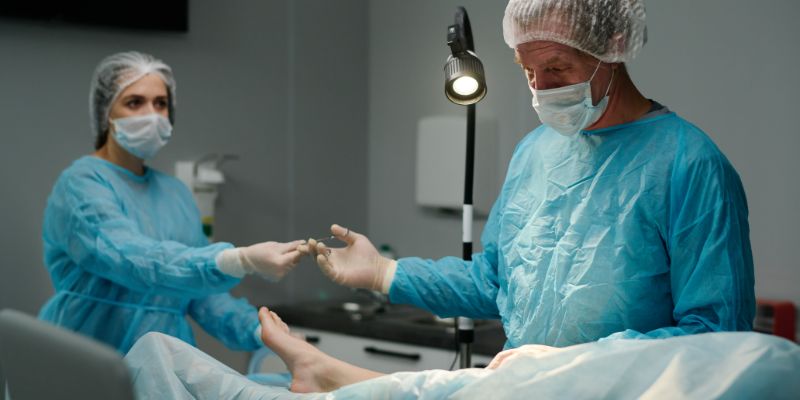
When conservative treatments aren't enough, surgery can be considered to correct more severe structural deformities. These procedures, performed at specialized centers like SmartHallux, are increasingly minimally invasive and personalized.
SmartHallux: prevention and surgery

Even if you don't experience obvious symptoms, taking care of your foot biomechanics is a good habit. Choosing appropriate shoes , avoiding high heels or flat soles for extended periods, doing regular stretching exercises , and keeping your weight under control are simple but effective strategies for preventing pronation or keeping it from getting worse.
A pronated foot may seem like a minor detail, but it can significantly impact your overall well-being. Early intervention, with a specialist assessment and a personalized treatment plan, can help avoid chronic pain and long-term complications. And, most importantly, it allows you to walk steadily, safely, and painlessly again.
The SmartHallux team treats conditions such as hallux valgus , Morton's neuroma , and other deformities that cause foot pain. Providing comprehensive support throughout the treatment process, including post-operative recovery, SmartHallux can be a winning choice for effective treatment tailored to your needs. Book your specialist consultation with the SmartHallux team now.