
Plantar Fasciitis Brace: A Practical Help for Heel Pain
A plantar fasciitis brace, worn at night or during the day, keeps the fascia gently stretched to ease heel pain. The types, how to use it and when it helps.
By Dr. Luigi ManziUpdated on
When the first step of the day is accompanied by a sharp pain in the heel, you're likely dealing with one of the most common yet often overlooked orthopedic conditions: plantar fasciitis , or heel spur . It's an inflammation of the fascia that runs under the foot, from the heel bone to the base of the toes, and is often caused by overloading, improper footwear, or poor posture. In this context, plantar fasciitis braces are proving to be one of the most effective and accessible solutions for relieving pain and speeding healing.
Understanding Plantar Fasciitis: When Your Foot Cries Out

The symptoms of plantar fasciitis are quite recognizable. The pain is especially noticeable in the morning, as soon as the foot hits the ground, or after long periods of inactivity. It's typically localized in the heel area, but can radiate across the entire sole of the foot, making even the simplest movements difficult.
The causes? It's often a combination of factors: intense physical activity, inadequately supported shoes, flat or high arch feet, being overweight, or poor weight distribution while walking.
How does the plantar fasciitis brace work?

The brace works by holding the foot in a functional position, preventing the fascia from contracting during sleep or daily activity. This promotes tissue relaxation, limits stress, and allows for faster healing.
There are several types. Night splints keep the foot in a dorsiflexed position, preventing the plantar fascia from contracting at night, one of the reasons why pain is more intense upon awakening. Day splints , on the other hand, are often integrated into shoes and support the arch while walking.
Is it really useful?

For many patients, regular use of the brace has made a difference. It reduces pain, improves foot function, and—most importantly—allows them to actively engage in the healing process. It's not a miracle cure, but an effective therapeutic tool , which, when combined with targeted stretching, physiotherapy, and proper footwear, can significantly shorten recovery times.
How to choose the right brace

Every case is different. Some patients benefit more from a rigid brace, while others prefer softer, more flexible models. Materials range from neoprene to breathable fabric to moldable plastic. This is why it's important to consult a doctor or physical therapist: the choice of device should be based on the type of pain, activity level, and foot shape.
How to use it correctly
The brace should be worn according to your doctor's instructions. At night, it may be uncomfortable at first, but over time it becomes part of your routine. During the day, it should be adjusted to fit your foot without causing friction or excessive pressure. And like any medical device, the brace should be cleaned regularly to ensure hygiene and longevity.
Prevenzione e stile di vita
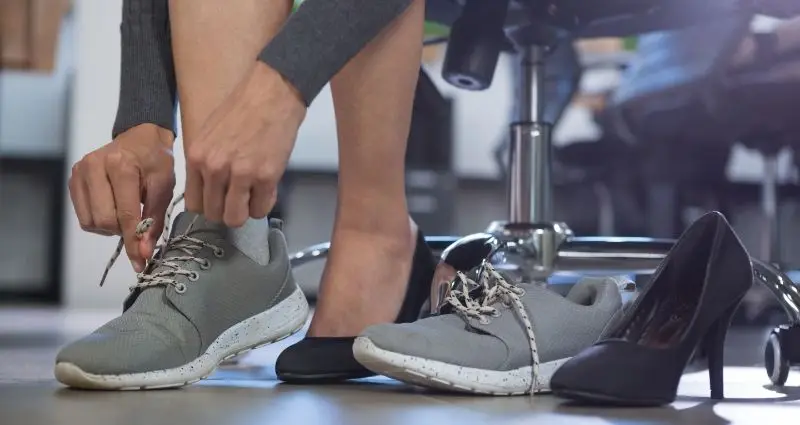
Once the acute phase is over, it's important to focus on prevention. This means taking care of your body with regular stretching, wearing appropriate shoes (with insoles if necessary), and not ignoring the first signs of heel discomfort.
SmartHallux: When to see a specialist?

A plantar fasciitis brace is a valuable ally in treating this annoying condition. It's simple to use, affordable, and, when included as part of a structured treatment plan, can significantly improve quality of life. For those suffering from heel pain, it's often the first step toward effective recovery.
The SmartHallux team treats conditions such as hallux valgus , Morton's neuroma , and other deformities that cause foot pain. Providing comprehensive support throughout the treatment process, SmartHallux can be a winning choice for effective treatment tailored to your needs. Book your specialist consultation with the SmartHallux team now (opens in a new tab).