
Preventing foot tendonitis: helpful tips
Preventing foot tendonitis: gradual training, proper footwear, stretching and rest between sessions. Practical tips to protect the tendons of foot and ankle.
By Dr. Luigi ManziUpdated on
When the tendons in the feet , which connect the muscles to the bones, become inflamed due to injury or overuse, it is called tendinitis.
This annoying inflammation causes swelling , pain and limits even the simplest movements of the foot.
Poor foot mobility compromises normal daily activities, contributing to a lower quality of life. Preventing foot tendonitis , therefore, becomes more essential than ever for living a healthy, discomfort-free life.
In this article, we will delve into the various effective practices, strategies, and habits for preventing foot tendonitis.
Understanding the causes of foot tendonitis

To know how to prevent foot tendonitis, it is of primary importance to understand the causes that lead to this pathology.
By knowing the causes, in fact, you can implement various practices and habits that can prevent the development of tendinitis.
Among the most common causes that contribute to the development of foot tendonitis, it is worth listing:
- Traumas and injuries due to accidents or excessive, forced and repeated physical activity;
- overload and repeated daily efforts;
- unnatural and incorrect posture;
- wearing uncomfortable and inappropriate shoes;
- excessive stress on the feet also due to presence of structural malformations or to others previous pathologies.
By knowing these causes, therefore, we can begin to understand which habits we should abandon and which, instead, we should continue.
Let's therefore focus on every good habit and practice to follow to prevent foot tendonitis.
Choosing the right shoes

To prevent not only tendonitis but any type of foot discomfort or pathology, it is essential to wear comfortable and suitable shoes.
Uncomfortable shoes that don't adequately support the feet create imbalances in both maintaining body stability and proper weight distribution. Instability and poor weight distribution stress the tendons, increasing the likelihood of inflammation and discomfort.
When choosing the shoes to wear, therefore, it is advisable to opt for models that offer the right support to the entire arch of the foot , so as to cushion the shock of the natural movements of the foot and avoid stressing the tendons, muscles and bones.
If you suffer from other foot conditions, such as flat feet, it's also advisable to consult a specialized shoe retailer. Specialty stores often offer walking tests to help them recommend the most suitable shoes based on your foot structure.
Do warm-up and stretching exercises

Starting to play sports without first warming up properly is considered harmful to the tendons and the health of the entire foot and beyond.
Before engaging in any type of physical activity, it's always a good idea to prepare your body for the strain it will face. It's essential to properly prepare your tendons and muscles by first performing warm-up exercises. Warming up increases blood flow to your muscles, thus reducing the risk of injury and tendon trauma.
Stretching also serves the same purpose as warming up. Stretching, both before and after physical activity, helps maintain the flexibility of tendons and muscles, as well as improve joint mobility.
Check the gradualness of the intensity of your workouts

Exercising is always recommended for leading a stable and healthy life.
However, overdoing the intensity of your workouts can be detrimental to the overall health of your feet. Overly intense or prolonged workouts overload the tendons and place unnecessary stress on your feet.
To avoid these potential problems and ensure the well-being of tendons and muscles, it's a good idea to gradually increase the intensity of your workouts . Both muscles and tendons need time to adapt to the strain they'll be putting on supporting your feet during physical activity.
Monitoring your workout intensity is always good advice, and it becomes almost mandatory after a period of inactivity. If you've abandoned your exercise routine for a while, you'll need to be extra careful to gradually return to it so as not to risk injuring or traumatizing tendons and muscles.
Strengthen the muscles of the foot and leg
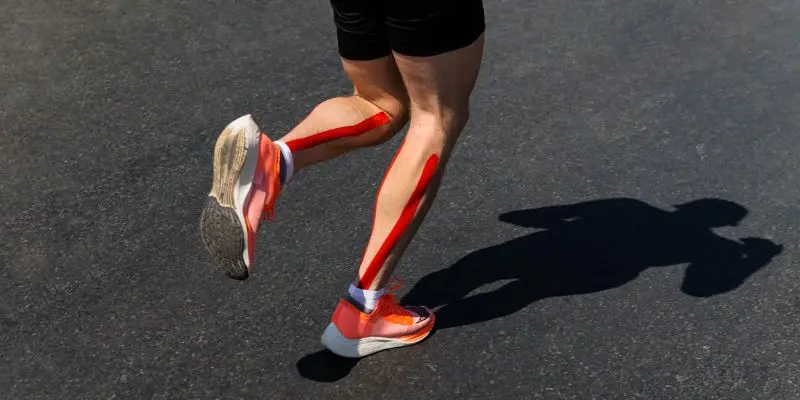
Wearing appropriate shoes and doing warm-up exercises must also be combined with exercises to strengthen the muscles of the feet and legs.
If the muscles are not strengthened and do not have enough strength to support the legs and feet, the tendons suffer, absorbing all the stress that comes from normal daily activities or sports.
Let's take a look at these specific strengthening exercises for the legs and feet. Among the simplest and most well-known are:
toe flexion and extension exercises : these help strengthen the smaller muscles of the foot, which are primarily used to properly distribute body weight;
Single-leg balance exercises : Balancing on one leg at a time, preferably on a surface that requires effort, such as a platform, helps improve foot stability by strengthening the leg muscles;
Toe raises : Standing on your toes with your feet shoulder-width apart and holding the position for a few seconds helps strengthen the calf muscles and Achilles tendon.
These simple exercises help keep tendons trained, responsive, and elastic, thus preventing the risk of injury and inflammation.
Pay attention to the signs of pain

It's important to listen to your body and pay attention to what could be the first discomforts or pains of the development of a pathology.
Any type of foot or tendon pain should not be underestimated . For example, if you experience foot pain, it's advisable to stop exercising, apply ice to the painful area, and rest.
If the initial pain you feel doesn't seem to be abating and actually gets worse, it's a good idea to contact a doctor to determine if there's a more serious problem.
In these cases, it is essential not to underestimate any problem and, instead, to intervene as soon as possible both to obtain a correct diagnosis and to intervene and choose the appropriate treatment to resolve the problem.
The importance of early diagnosis: the SmartHallux solution

Even if you follow all the advice and best practices to prevent foot tendonitis, you could still develop the condition.
If you notice the various disorders and symptoms of tendonitis, it is advisable to consult a doctor and obtain an accurate diagnosis as soon as possible.
Intervening promptly allows not only to identify the specific problem, but also to proceed with treating the pathology with a targeted and personalized approach.
SmartHallux is a leader in this field. Thanks to a team of experts led by Dr. Luigi Manzi , not only do we obtain timely and accurate diagnoses, but we also provide specific and personalized treatments. SmartHallux specialists also ensure the utmost care and assistance throughout every stage of the healing process, from diagnosis to post-operative recovery should you need to undergo surgery.
The first step in solving any type of foot and ankle problem is, therefore, to undergo a physical examination and obtain a diagnosis.
SmartHallux can help you with this too!
Thanks to its fast and intuitive method, you can book your SmartHallux appointment from the comfort of your home. Just click here and follow the quick and easy booking process.
What are you waiting for? Book your SmartHallux appointment and start safeguarding your health.