
Rehabilitation after flat foot surgery: a complete guide
Rehabilitation after flat foot surgery: the phases of recovery, when weight-bearing and walking resume, and the exercises that help restore a normal gait.
By Dr. Luigi ManziUpdated on
Have you just undergone flat foot surgery or are you considering it? Recovery depends not only on the success of the surgery, but also on proper and consistent rehabilitation. In this guide, we explain what to expect from rehabilitation after flat foot surgery, how to organize your rehabilitation, and which exercises will help you walk again without pain.
What happens after surgery?
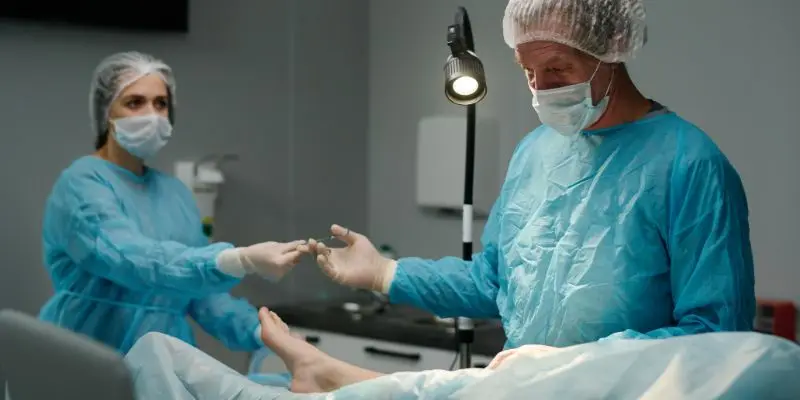
Immediately after surgery, the patient is monitored in the hospital for a few hours or days, depending on the type of procedure performed. Pain and swelling are normal, and these are managed with medications and cold compresses.
Early mobilization
Early mobilization is essential to reduce complications. Your doctor may recommend starting to move the joint with the help of a physical therapist within the first few days.
Use of post-operative braces and shoes
In some cases, a brace or orthopedic shoe is used to keep the foot in the correct position during the first few weeks. Following the instructions for use is essential for proper healing.
The rehabilitation process
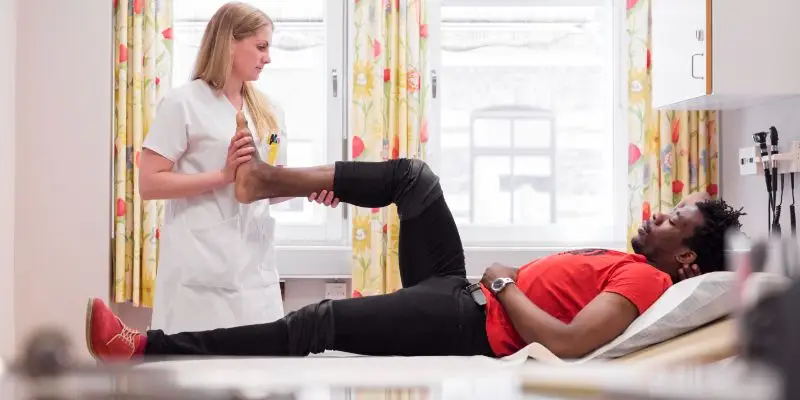
Rehabilitation goals
The main goal is to recover mobility, strength and balance , avoiding complications or relapses.
Phases of rehabilitation
- Phase 1 (0-2 weeks): pain management, weight relief, passive exercises
- Phase 2 (2-6 weeks): active mobilization, gradual start of loading
- Phase 3 (6+ weeks): muscle strengthening, proprioception, return to full walking
Fundamental exercises
- Mobility and flexibility: controlled movements to avoid stiffness
- Muscle strengthening: exercises for calves, ankles and arches
- Proprioceptive: improve balance and prevent further falls
The frequency of sessions varies from 2 to 3 times a week, lasting approximately 45 minutes.
Practical tips for a good recovery

- Balanced nutrition: promotes tissue regeneration
- Hydration
- Rest: sleeping well speeds up recovery
- Stress management: helps the body heal better
- Gradual return to daily and sports activities: never force the timing
Possible complications
Every surgical procedure has risks. The most common are:
- Infections
- Joint stiffness
- Persistent pain
- Formation of edema
- Damage to blood vessels or nerves (rarer)
Signs not to be underestimated: fever, persistent redness, sudden sharp pain.
SmartHallux: The importance of post-operative check-ups

Regular post-operative check-ups help evaluate the effectiveness of your rehabilitation, monitor any complications, and adjust your program based on your progress.
Rehabilitation after flat foot surgery is as crucial as the surgery itself. With the right medical and physiotherapy support, you can walk again naturally and painlessly.
The SmartHallux team treats conditions such as hallux valgus , Morton's neuroma , and other deformities that cause foot pain. Providing comprehensive support throughout the treatment process, SmartHallux can be a winning choice for effective treatment tailored to your needs. Book your specialist consultation with the SmartHallux team now (opens in a new tab).
FAQ
What is the best rehabilitation after flat foot surgery?
A personalized program with physiotherapy , orthotics, and painkillers is the most effective foundation.
How long does recovery take?
Most patients return to normal activities within 6-8 weeks, but times vary.
Is it normal to have pain after surgery?
Yes, but the pain should gradually subside. If it increases, consult your doctor immediately.
When can I remove the brace?
Typically after 3-6 weeks, as directed by the surgeon.
Can I play sports after surgery?
Yes, but only after medical approval. Typically, you gradually resume treatment after 2-3 months.
What exercises can I do at home?
Light flexion, mobilization, and proprioception exercises, always with the approval of the physiotherapist.