
Effective Metatarsalgia Remedies to Relieve Pain
Metatarsalgia causes pain in the ball of the foot. The remedies that help, from insoles and footwear changes to exercises, and when surgery is considered.
By Dr. Luigi ManziUpdated on
Metatarsalgia is an inflammation of the forefoot, particularly affecting the metatarsal bones. In this article, we'll explore possible treatments for metatarsalgia. This condition manifests as a sharp or burning pain and may be caused by wearing unsuitable footwear (high heels, narrow toes), strenuous physical activity (high-impact sports, such as basketball or running), or postural problems and/or excessive weight.
Understanding the causes, recognizing the symptoms, and adopting the right remedies can make the difference in managing pain and restoring foot health.
Causes of metatarsalgia

The causes of metatarsalgia are multiple and often related to mechanical factors that overload the forefoot. One of the main culprits is intense sports activity, especially running on hard surfaces or performing repetitive movements that stress the metatarsal bones. Wearing improper footwear, such as tight-fitting shoes, high heels, or shoes lacking adequate arch support, can also contribute to the onset of pain.
Being overweight is another contributing factor: excessive body weight increases pressure on the bones of the foot, increasing the risk of inflammation. Furthermore, some structural conditions of the foot, such as flat feet, hallux valgus, or Morton's neuroma, can alter weight distribution and cause abnormal overloading of the metatarsal heads.
Symptoms of metatarsalgia

Although symptoms can vary depending on the severity of the problem, metatarsalgia is commonly associated with a sharp, persistent pain in the front of the foot, also called the forefoot. The pain may be pinpoint or diffuse throughout the foot, and tends to worsen with movement. In some cases, the pain is worse in the morning or after a long period of rest.
Other symptoms of metatarsalgia may include:
- Numbness or tingling in the toes
- Swelling or redness of the forefoot
- Feeling like having a pebble in your shoe
Diagnosis of metatarsalgia

Metatarsalgia is diagnosed by a doctor through a thorough analysis of symptoms and a physical examination of the foot. The doctor evaluates posture, foot shape, and weight distribution, checking for any structural abnormalities. To rule out other conditions, such as stress fractures or arthritis, an X-ray may be ordered. In some cases, an MRI can provide more detailed information about the soft tissues of the foot, such as nerves and ligaments, helping to identify any inflammation or nerve compression.
How to treat metatarsalgia
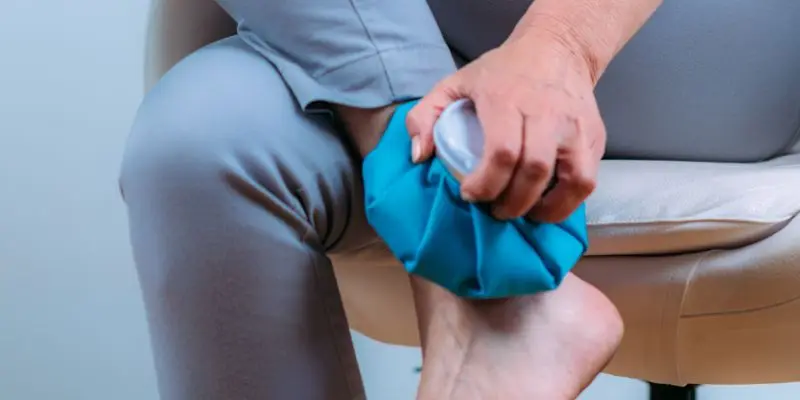
How is metatarsalgia treated? Treatment for metatarsalgia depends on the cause and severity of the problem. In milder cases, pain can be managed with simple measures: rest, ice application, pain medication, physical therapy, and, if necessary, orthopedic insoles and shoes specifically designed for this type of problem.
One of the first steps to alleviate pain is to reduce aggravating activities, such as running or jumping, and give your feet time to recover. Applying ice to the painful area for 15-20 minutes several times a day can help reduce inflammation. Choosing the right footwear also plays a key role: shoes with good arch support and a cushioned sole can reduce pressure on the metatarsal bones and improve weight distribution. In more severe cases, your doctor may recommend custom orthotic insoles to better support the foot and correct any gait imbalances.
If the pain persists, using painkillers and anti-inflammatory medications such as ibuprofen can provide temporary relief. In cases where the inflammation is particularly severe, your doctor may consider injecting corticosteroids directly into the affected area.
When all conservative treatments are ineffective and the pain compromises the quality of life, surgery may be considered as a last option, especially if the cause is related to a structural deformity of the foot.
Prevent metatarsalgia
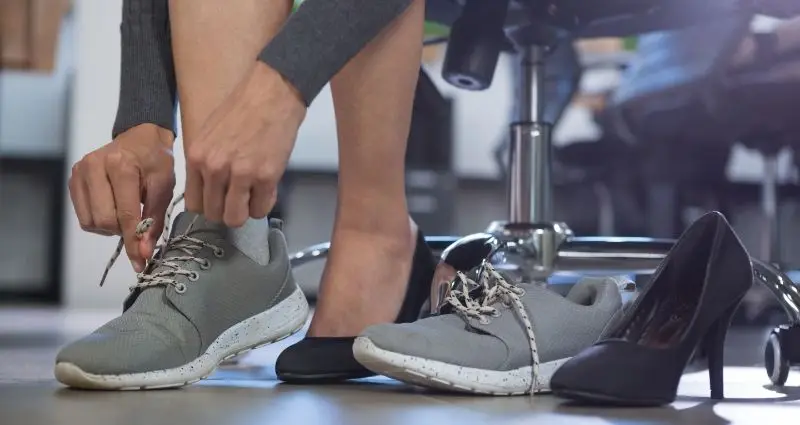
Metatarsalgia prevention involves a series of measures that reduce the risk of overloading the foot. Wearing comfortable, well-cushioned shoes is one of the best ways to protect the metatarsal bones. Those who participate in high-impact sports should choose shoes specifically for the activity and ensure they offer good arch support. Maintaining a healthy body weight is equally important, as excess weight increases pressure on the foot structures. Flexibility also plays a key role in prevention: regularly performing foot and leg stretching exercises helps maintain muscle flexibility and reduce strain on the metatarsal bones.
Frequently Asked Questions about Metatarsalgia

Many people wonder if metatarsalgia can resolve on its own. In some cases, the pain may resolve spontaneously with rest and some lifestyle changes, such as wearing more suitable footwear. However, if the problem persists for weeks or recurs frequently, it's advisable to consult a doctor to discuss possible specific treatments. Another common question concerns the most effective remedies for pain relief. In addition to rest and ice, the application of orthopedic insoles and physical therapy can be useful strategies for reducing the load on the forefoot.
Many patients also wonder whether physical activity should be completely stopped if they experience metatarsalgia. It's not always necessary to stop exercising, but it's important to choose low-impact activities like swimming or cycling, which don't put excessive stress on the foot. Finally, some people wonder when is the right time to consult a doctor. If the pain is persistent, limits the ability to walk, or is accompanied by obvious swelling and inflammation, it's best to consult a specialist to avoid complications.
Metatarsalgia can be a bothersome problem, but with the right measures, it's possible to relieve the pain and prevent recurrences. Paying attention to your foot health is essential for maintaining a good quality of life and continuing to perform your activities without limitations.
SmartHallux: An innovative approach to foot care

SmartHallux offers an innovative solution, combining advanced technologies and accurate diagnosis, for personalized treatment of foot pain. Thanks to the expertise of a team of expert surgeons, led by Dr. Luigi Manzi , SmartHallux offers innovative treatments ranging from diagnosis to surgery, if necessary.
The team treats conditions such as hallux valgus , Morton's neuroma , and other deformities that cause foot pain. Providing comprehensive support throughout the treatment process, including post-operative recovery, SmartHallux can be a winning choice for effective treatment tailored to your needs. Book your video consultation with Dr. Luigi Manzi now.