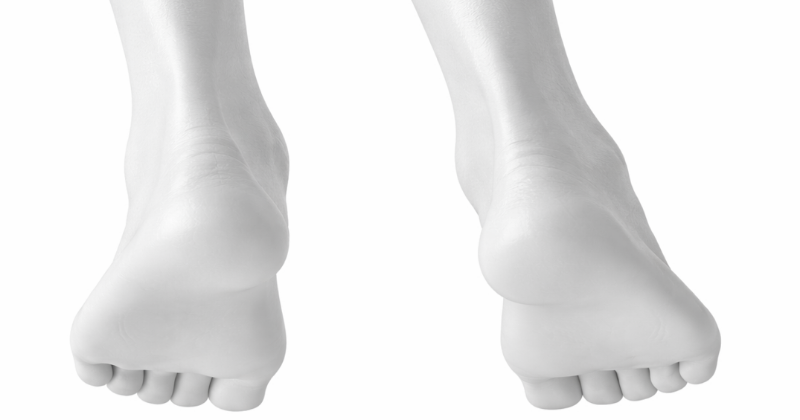
Do you wake up in the morning and feel a sharp pain in your heel as soon as you put your foot down? Like someone hammering a nail into your heel? Well, you've probably encountered heel spurs. You're certainly not alone—in my practice, I see patients with this problem practically every day.
But let's talk about ultrasounds. Yes, the ones we associate with pregnancy scans. Lately, many patients have been asking me: "Doctor, I've heard that heel spurs and ultrasound can help. Is that true?" The answer is neither a clear yes nor a clear no. It's more complicated than that.
What is this famous heel spur?
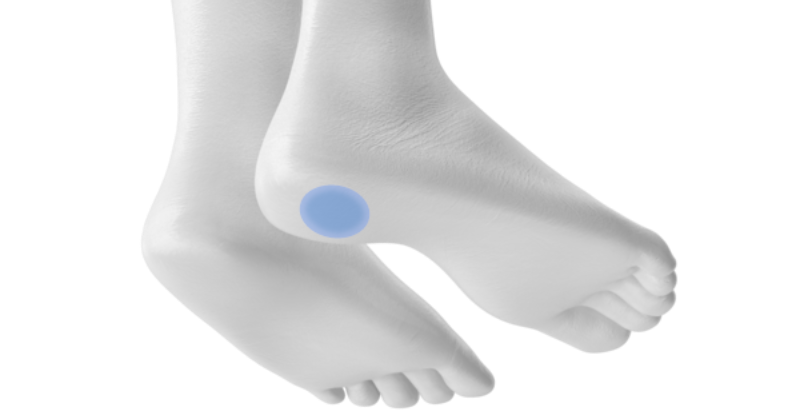
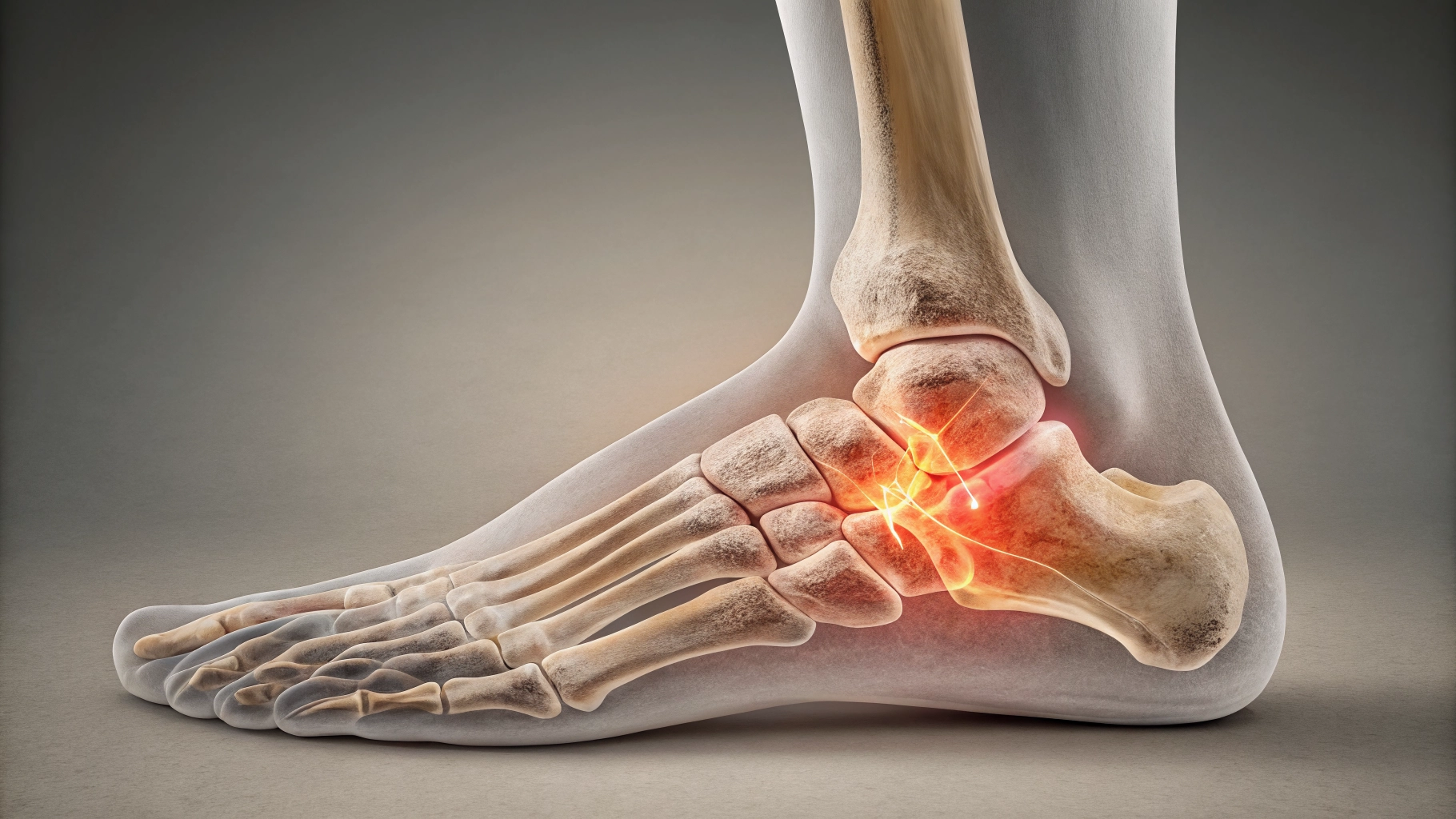
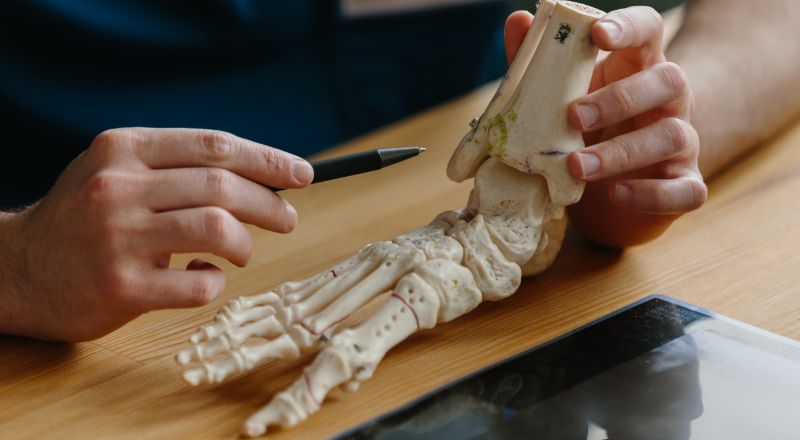
Before we discuss ultrasound for heel spurs, let's understand what we're dealing with. A heel spur is essentially a bony growth—a small spur—that forms on the calcaneus, the heel bone. Think of it as a small bump growing where the plantar fascia attaches.
Now, here's an interesting fact that often confuses patients. It's not always the thorn itself that hurts. Often, the pain comes from inflammation of the surrounding soft tissue—the infamous plantar fasciitis. After all, some people have mountain-sized heel spurs and feel nothing, while others with tiny thorns suffer terribly.
The typical pain? The one I mentioned before. A sharp pain in the morning when you wake up. The pain improves a little after taking a few steps, but can return forcefully after standing for a long time. "It's like walking on rocks," a patient told me last week. Perfect expression.
Why does this blessed thorn form?

The causes are varied and often cumulative. Excess weight is a major factor—more weight means more stress on the heel. Age matters: after 40-50, tissues lose elasticity. Improper footwear, flat or high-arched feet, and intense sports activities also play a role.
I've seen runners with heel spurs developed after years of training on asphalt. But I've also seen sedentary people who suddenly start walking a lot without preparation. In short, the foot rebels when abused for too long.
How we make the diagnosis
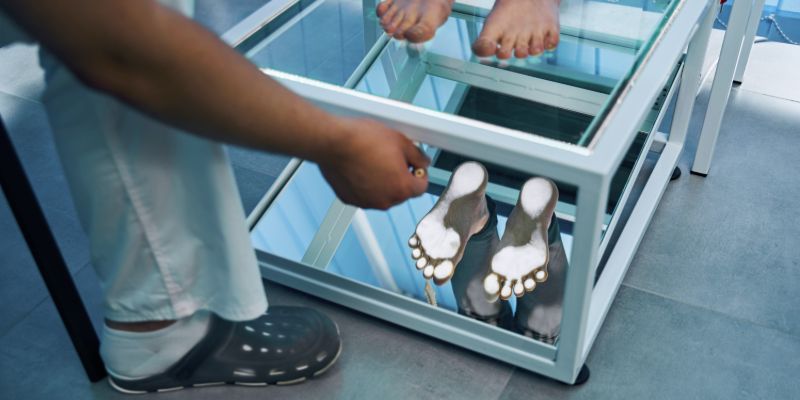
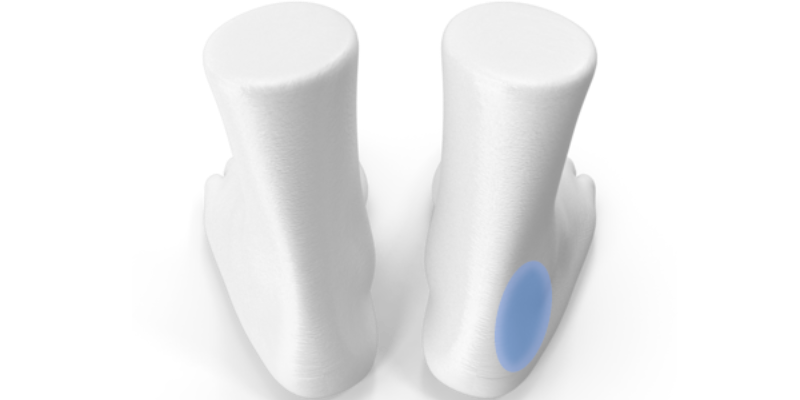
I'll examine you, watch your walk, and feel your heel to see where it hurts the most. The pain is usually located just under the heel, toward the inside. Then we'll do a good X-ray—that will tell us everything we need to know about the sting.
Sometimes I also request an ultrasound to better see the soft tissues. It's important to determine if there's inflammation of the plantar fascia, because this changes the therapeutic approach. Early diagnosis is crucial—the sooner we intervene, the less complicated everything becomes.
Ultrasound: How it really works
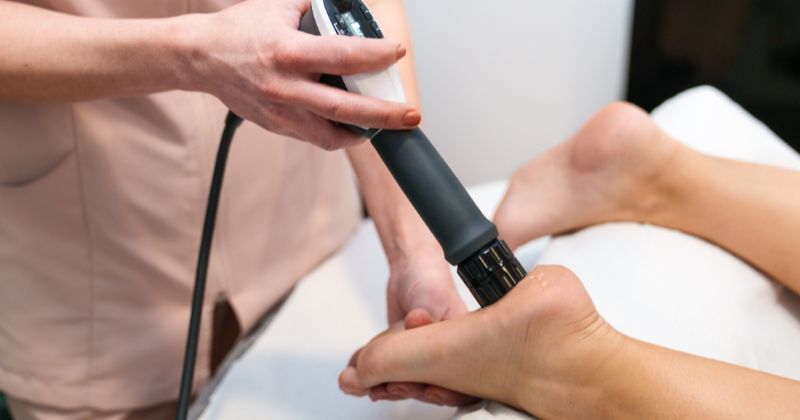
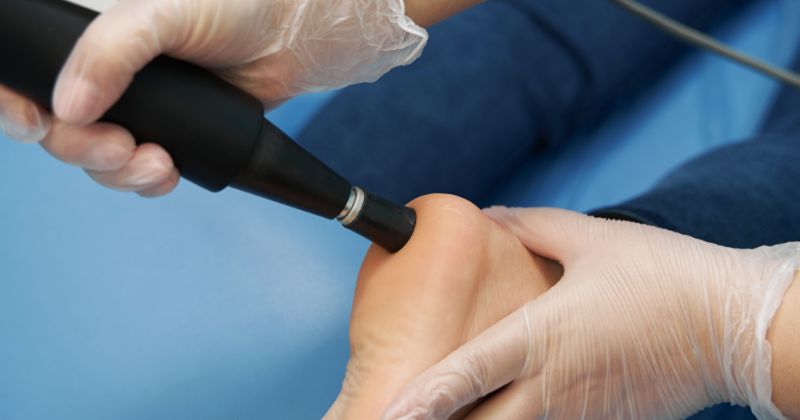
Now we're at the point you're most interested in. Ultrasound therapy uses high-frequency sound waves to stimulate tissue healing. You don't feel anything—at most, a slight warmth on the skin. The waves penetrate deeply and have anti-inflammatory and analgesic effects.
The theory is good: ultrasound improves circulation, reduces inflammation, and stimulates tissue repair. In practice? Well, it depends. I've seen patients who experienced significant benefits after a few sessions. Others felt no significant difference.
Sessions last about fifteen minutes and are done two to three times a week for a few weeks. The physiotherapist adjusts the intensity and frequency of the ultrasound based on your specific case. It doesn't hurt, but you need to be consistent.
Do they work? The truth I owe you
Now, be honest with me: do you want me to tell you what you want to hear or the truth? Because the truth is that ultrasound can be effective, but it's not miraculous. Scientific studies show variable results—some patients experience significant improvement, others little or no improvement.
My clinical experience? About 60-70% of patients experience some improvement. But—and this is important—ultrasound alone rarely completely resolves the problem. I see it more as part of a broader approach.
Alternatives? There are several. Tecar therapy for heel spurs is a gaining popularity. Tecar therapy can yield significant results, especially when combined with specific exercises. Then there are shock waves, cortisone injections, and traditional physiotherapy.
Contraindications and risks
Ultrasound is generally safe, but it shouldn't be used on everyone. If you're pregnant, have metal implants in the area, have acute infections, or have tumors, it's best to avoid it. Side effects? Rare, at most, a little redness.
The real problem isn't the risks, but the expectations. Too many patients think a few ultrasound sessions will solve everything. That's not the case. Heel spurs are often a problem that requires patience and a multidisciplinary approach.
Comparison with other treatments
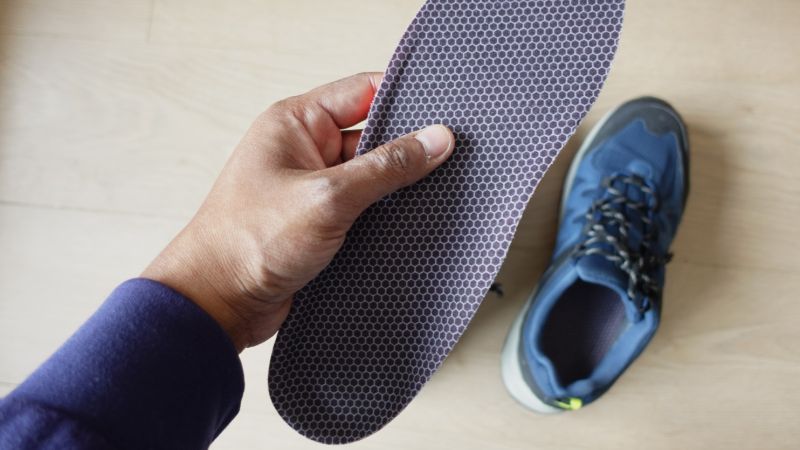
To be honest, ultrasound is rarely my first choice. I prefer to start with rest, ice, custom orthotics, and stretching exercises. If these aren't enough, then I consider more specific treatments.
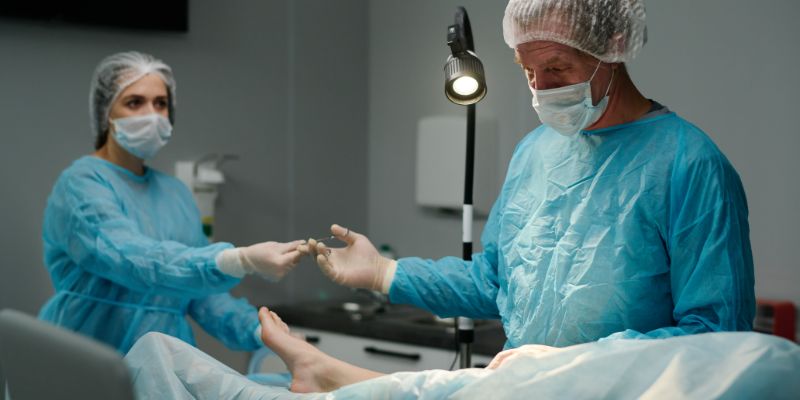
Shockwave therapy, for example, has stronger scientific evidence for heel spurs. Injections can provide rapid relief in the most severe cases. Surgery remains the last option, for truly stubborn cases.
SmartHallux: Where we can help you

Dr. Luigi Manzi, who has gained specific experience in this field, follows each patient with a personalized path using the most modern techniques.
The SmartHallux team treats conditions such as hallux valgus , Morton's neuroma , and other deformities that cause foot pain. Providing comprehensive support throughout the treatment process, SmartHallux can be a winning choice for effective treatment tailored to your needs. Book your specialist consultation with the SmartHallux team now.
FAQ
Doctor, how long does it take to see results with ultrasound?
It depends on your case, but usually, if ultrasound is supposed to work, you'll see some improvement within 2-3 weeks. If nothing changes after a month, we probably need to change our strategy.
And if I do nothing, what happens?
Heel spurs tend to worsen if left untreated. The pain can become chronic and seriously limit your daily activities. In some severe cases, it can lead to changes in your gait that create other problems.
Can I have ultrasound along with other treatments?
Absolutely. In fact, it often works better this way. Ultrasound + insoles + specific exercises can be a winning combination. The important thing is that everything is coordinated by a specialist.