
Spur in the Toe: When to Worry and What to Do
In common parlance it is often called a "spur on the toe", but technically it is a calcification, often linked to plantar fasciitis.
By Dr. Luigi ManziUpdated on
In common parlance it is often called a “spur on the toe” , but technically it is a calcification, often linked to plantar fasciitis.
Do you feel a sharp pain under your heel, perhaps when you wake up or after a long walk? It might not just be fatigue. In many cases, that persistent discomfort is caused by a heel spur , a small bony growth that forms under the heel bone and, if left untreated, can become extremely painful.
What is a sting in the toe?
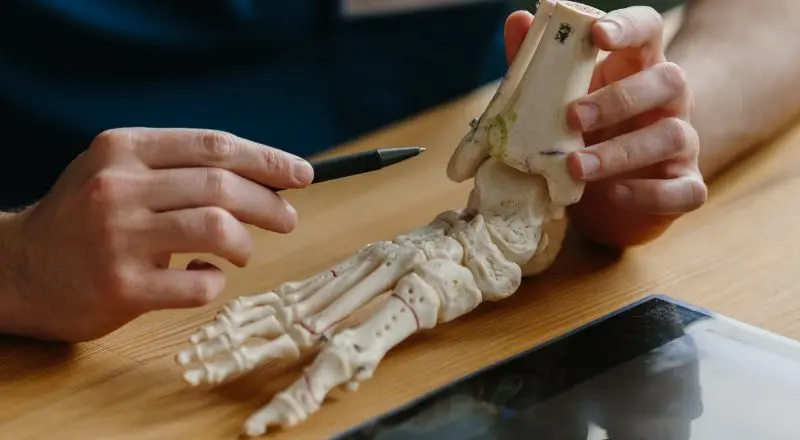
A heel spur is a bony growth that develops where the plantar fascia attaches to the heel bone. It doesn't appear overnight, but is the result of repetitive mechanical stress, microtrauma, and chronic inflammation. In many cases, it's asymptomatic, but when it does become symptomatic, the pain can make even walking difficult.
What are the symptoms?

The main symptoms include sharp pain in the heel area, especially in the morning or after periods of inactivity. Over time, swelling, stiffness, and widespread pain in the sole of the foot may also appear. In some cases, inflammation or even infection may develop if the area is subjected to constant rubbing or microtrauma.
Diagnosis: When is the time to act?

Diagnosis is based on a specialist examination with a physical exam and, if necessary, instrumental tests such as X-rays or ultrasound. In specific cases, MRI may be used to rule out soft tissue lesions or the presence of Morton's neuroma.
Treatments: What you can do

In early cases, a conservative approach is always attempted: rest, ice, custom-made insoles, physiotherapy, and physical therapy. Corticosteroid injections can also temporarily reduce inflammation.
But if the pain persists or the sting is associated with other conditions (such as chronic plantar fasciitis ), surgery may be considered. Today, thanks to the SmartHallux approach, surgery is minimally invasive , quick, and has a short recovery time.
Rehabilitation: The Real Secret to Success
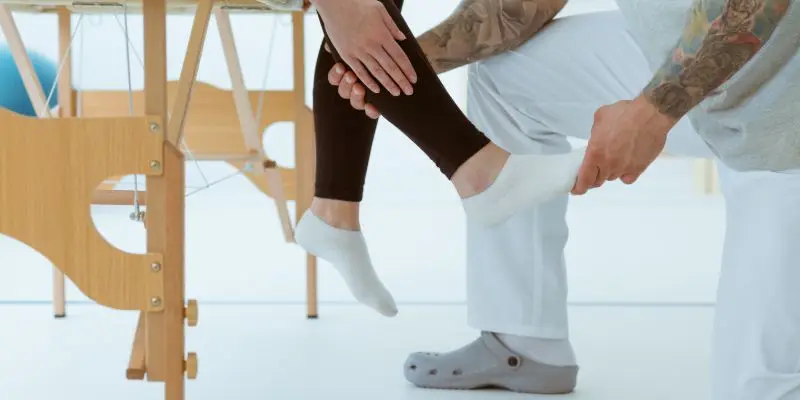
After surgery, rehabilitation is crucial. With targeted exercises, support from a physiotherapist, and the use of appropriate footwear, recovery is quicker and more lasting. Pain typically subsides after a few weeks, but full recovery may take a month or two.
SmartHallux: When to contact an expert?

If the pain is constant, impairs walking, or is accompanied by signs of infection (redness, heat, or significant swelling), it is essential to see a specialist.
A sprung toe is a more common problem than you might think. And if treated promptly and expertly, it can be resolved painlessly and with excellent recovery prospects. Trust those who know your foot inside and out and work to get you moving again, without waiting or compromise.
The SmartHallux team treats conditions such as hallux valgus , Morton's neuroma , and other deformities that cause foot pain. Providing comprehensive support throughout the treatment process, SmartHallux can be a winning choice for effective treatment tailored to your needs. Book your specialist consultation with the SmartHallux team now (opens in a new tab).
FAQ
Why choose SmartHallux for foot surgery?
Because it offers short lead times, cutting-edge techniques, affordable prices, and a highly specialized team led by Dr. Luigi Manzi.
What pathologies do you treat?
All those related to the foot and ankle, from heel spurs to hallux valgus, including plantar fasciitis, Morton's neuroma, and Achilles tendon rupture.
How to book a visit?
You can do it from anywhere in Italy, even via telemedicine, or in person with Dr. Manzi in Milan, Rome, or Naples.