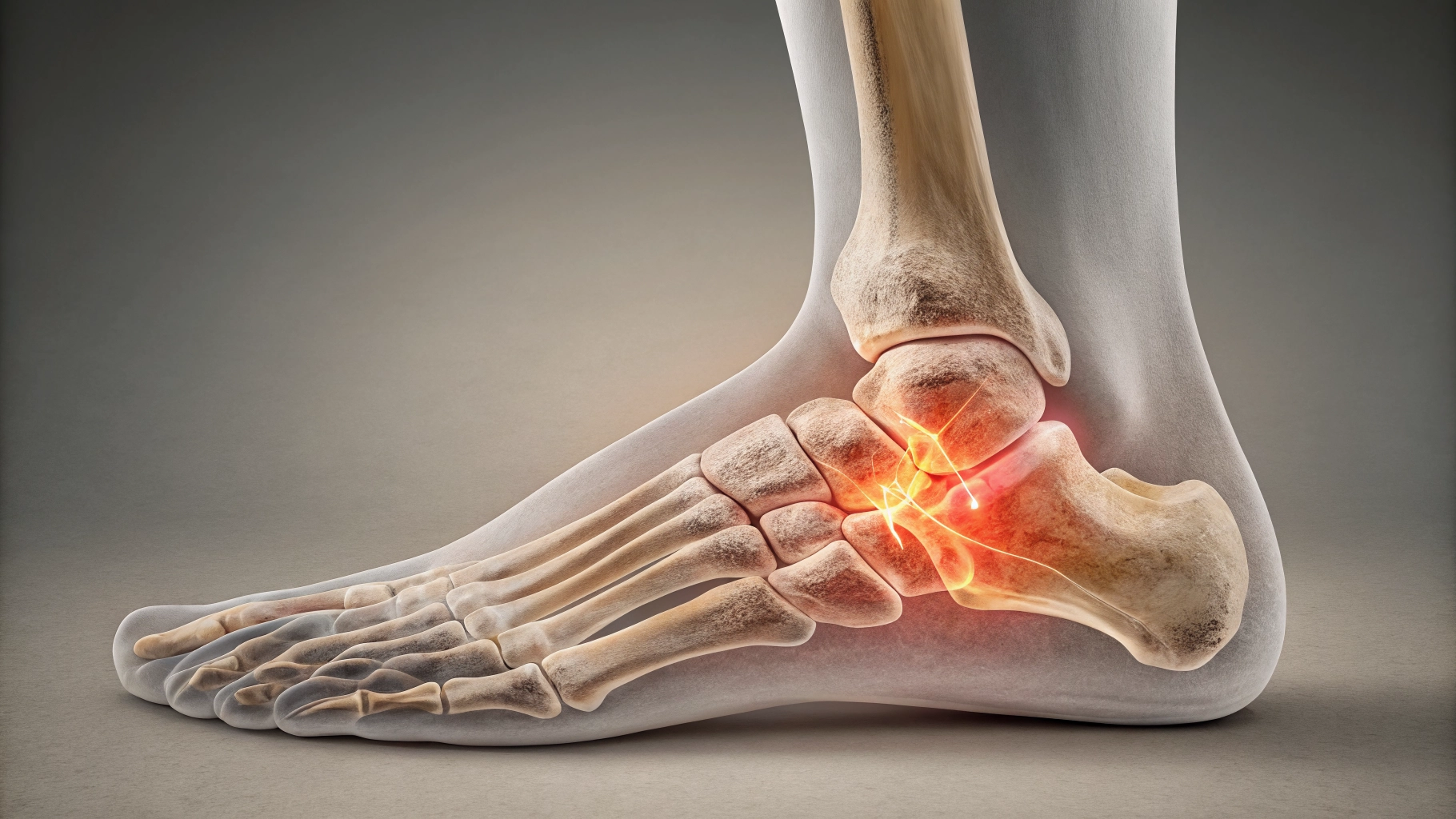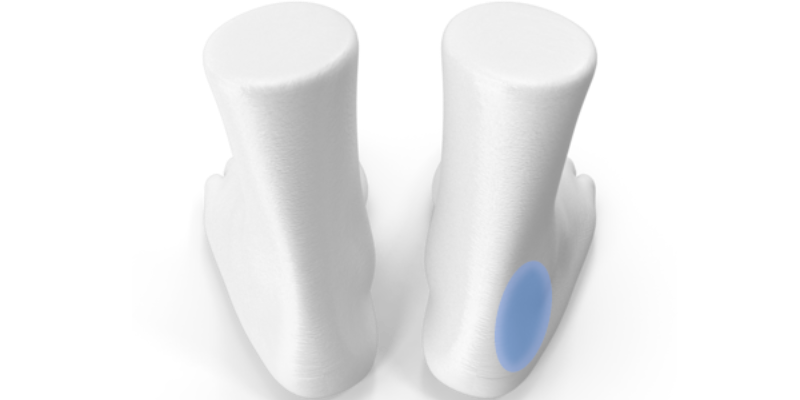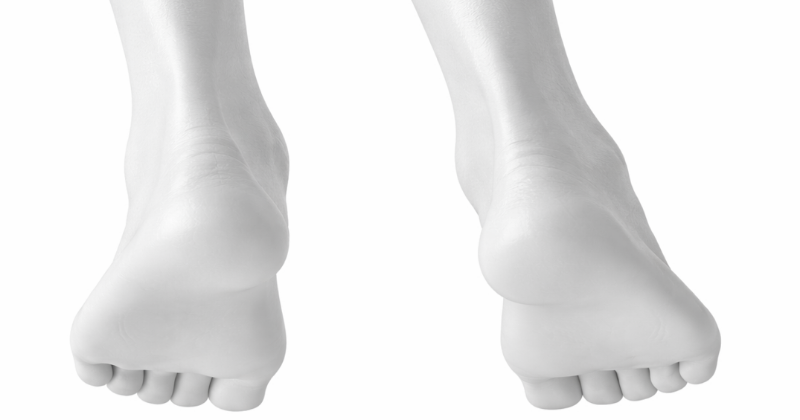
Il Achilles tendon also known as the Achilles heel, it is one of the most stressed structures in the human body, especially in athletes and those who practice intense physical activity.Achilles tendon surgery It must be done with great care, because it affects recovery times.
In this article entitled “Returning to sport after Achilles tendon surgery”, we will talk about recovery times and methods to return to activity after theAchilles tendon surgeryThe goal is to provide clear and detailed information to those eager to return to their sport.
Recovery Phases after Achilles Tendon Surgery
How long does it take to recover from a Achilles tendon surgery? It depends on the severity of the original injury and the surgical techniques used. Usually, the recovery period is divided into three main phases. The first phase, which lasts from 2 to 6 weeks, focuses on wound healing and immobilization of the limb to reduce tension on the operated tendon.
The second phase, which goes from the 6th to the 12th week, involves the gradual reintroduction of weight bearing and mobility, often aided by a brace. In the third and final phase, which goes from the 12th week onwards, the intensity of the exercises is increased to fully recover strength and flexibility. In short, the patient is prepared for a gradual return to daily activities and sports.
Role of physiotherapy in the recovery process
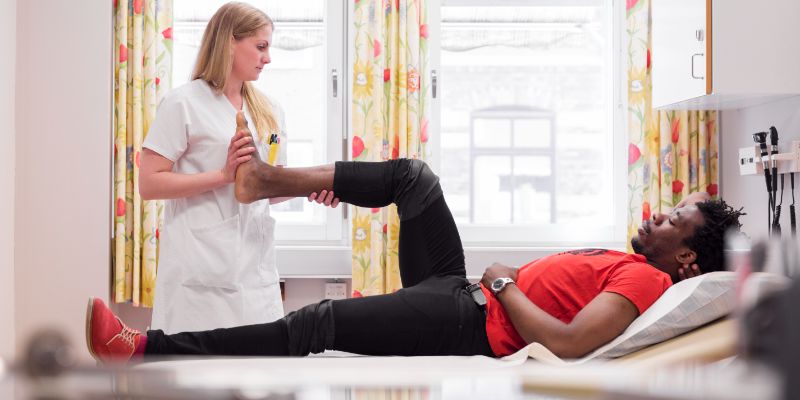
To recover quickly from Achilles tendon surgery you need a lot of physiotherapyDuring the sessions, the physiotherapist works to reduce swelling and improve circulation in the injured area. This is done through manual therapy and the use of techniques such asultrasound therapy.
Furthermore, the patient undergoes specific exercises to restore mobility and strength to the tendon, without overloading it. Gradually, more intense exercises are performed to restore the tendon to its original strength and recover. greater motor coordination, essential for returning to sporting activity.
Practical tips to speed up recovery
To speed up post-operative recovery, here are some practical tips:
- keep the limb elevated and apply ice regularly to reduce both swelling and pain in the days following surgery;
- follow the scrupulously personalized physiotherapy program;
- eat a balanced diet, increasing your intake of proteins, vitamins, and minerals, which are essential for tissue repair;
- avoid activities that are excessively stressful for the operated tendon during the early stages of recovery.
Return to physical activity after Achilles tendon surgery
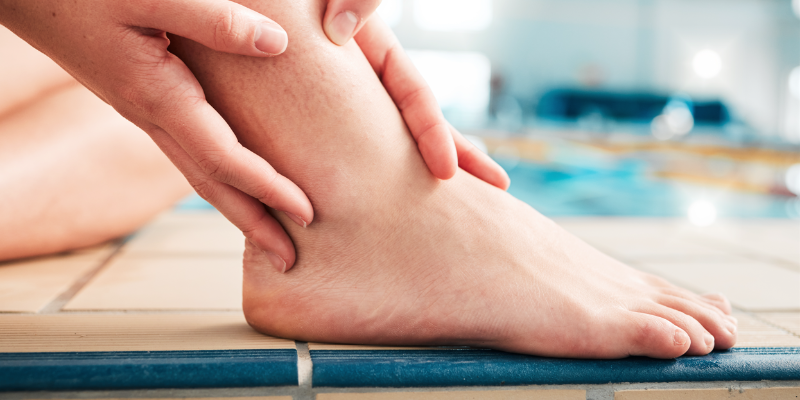
Returning to sports after this type of surgery must be planned with extreme care and must be gradual. Naturally, clearance from the medical team is required. Initially, the recommended activities are: swimming or cycling, because they don't put too much stress on the heel.
Subsequently, depending on the tendon's resilience and recovery, more challenging exercises can be performed, gradually. These exercises serve to increase strength and flexibility, always under the supervision of a professional.
Safety, prevention and specialist consultancy
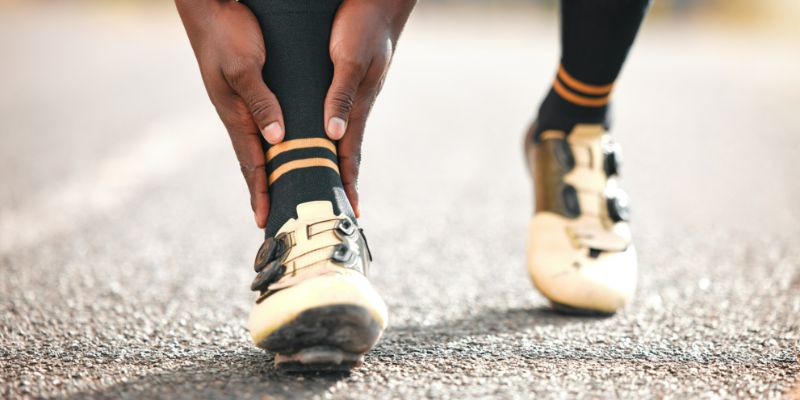
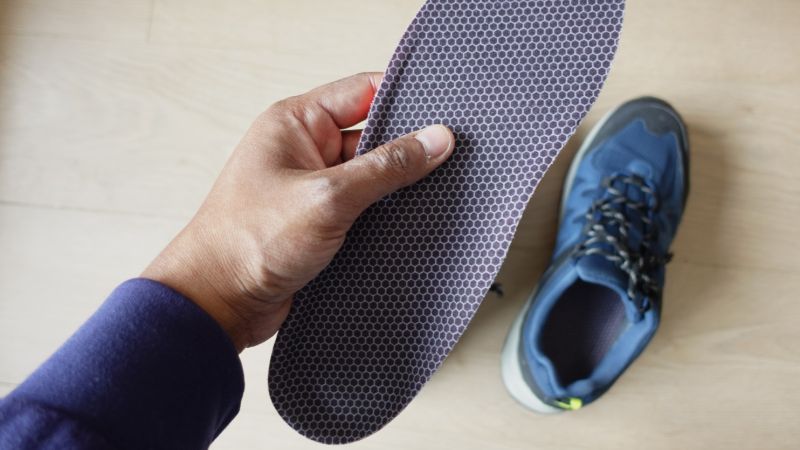
Returning to sports doesn't mean abandoning prevention. You always have to listen to your body, so it's best to stop at slightest hint of pain or discomfort in the Achilles tendon. Furthermore, it is important to wear appropriate footwear, possibly with orthopedic supports, which distribute the load better and protect the tendon during physical exercises.
Furthermore, it is important to continue with the stretching and strengthening exercises even after a complete return to sport. Regular consultation with a specialized orthopedist or physiotherapist It is essential to return to competitive sports safely.
These specialists evaluate the progress of your recovery and, if necessary, suggest changes to your training program to avoid further complications.
Conclusions

Returning to sports after Achilles tendon surgery requires time, a lot of patience, and a methodical approach. Follow your doctor's and physical therapist's instructions to the letter. Remember, every athlete has their own recovery time, so it's crucial to listen to your body and proceed with great caution, aided by appropriate support.