
Heel pain surgery: techniques and recovery times
Heel pain surgery is considered when conservative care fails: the techniques for plantar fasciitis, heel spurs and Haglund's deformity, and recovery times.
By Dr. Luigi ManziUpdated on
One of the most widespread and at the same time debilitating pathologies affecting feet and ankles is heel pain.
Defined as an inflammation concentrated on the heel , but which compromises the mobility of the entire foot, heel spur has different causes and different therapies to eliminate it.
Conservative treatments are the first to be considered and implemented to treat heel spurs. However, when these conservative treatments fail to achieve the desired results, surgery is often considered.
In this article entitled “heel pain surgery” we will see what the different types of surgery are and their respective post-operative recovery times.
Complications of heel spur that may lead to surgery
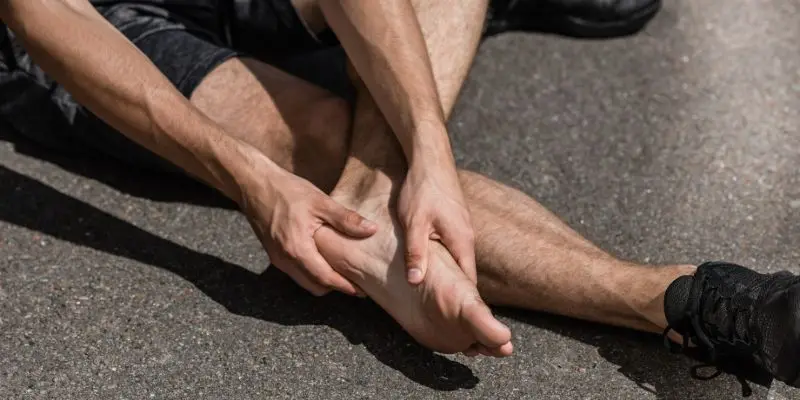
If left untreated and not treated properly, heel spurs can develop complications . These can further aggravate the inflammation of the heel and compromise the sufferer's quality of life to such an extent that surgery is often recommended.
Among the most well-known and debilitating complications , it is worth mentioning:
- Drastic reduction in mobilityInflammation can seriously compromise the normal mobility of the entire foot, causing those affected to have serious difficulty walking or simply moving their foot. This reduction in mobility can lead to further problems, such as leg and knee problems, and even a consequent alteration in correct posture.
- Chronic inflammation and tissue damageWhen heel pain is not treated properly and resolved promptly, the inflammation can become chronic. This causes sufferers to continue to experience pain for extended periods, and not only that; the tissues surrounding the heel are affected by the constant stress they are subjected to to compensate for the heel's malfunction, and thus suffer ongoing damage. This ongoing damage also compromises the tissues' chances of natural healing, making surgical treatment more likely.
- Chronic painChronic inflammation inevitably leads to chronic pain that can persist for several months or even a year. When both the heel and surrounding tissues are severely affected, conservative treatments are of little use, and surgery is almost inevitable.
- Tarsal tunnel syndromeThis syndrome develops when heel pain has become chronic. Chronic inflammation causes continuous compression of the nerves in the foot. Not only does this significantly compromise the foot's overall mobility, but it also causes very sharp pain that affects not only the heel but the entire foot. Even in this case, conservative treatments can be attempted, but if the situation is already compromised, surgery appears to be the only viable option.
When to consider surgery?

So when should surgery be considered?
Certainly, in the presence of the complications listed , surgery seems to be the only valid alternative to avoid pain and restore the health of both the heel and the surrounding tissues.
Once heel spur is diagnosed and a precise diagnosis is obtained, conservative treatments are usually immediately opted for . Physical therapy, ice packs, rest, and prescription medications are just some of the recommended conservative therapies. However, when these treatments don't resolve the problem within 6-12 months, surgery should be considered.
Deciding to undergo surgery is not a decision that can be made without first consulting a doctor. Only a specialist can inform and guide the patient, not only in making the right decision, but also in choosing the most appropriate procedure to resolve heel pain.
There are, in fact, various types of surgical intervention for heel spur , and to choose one, it is necessary to rely on a specialist, who can not only evaluate the best technique indicated, but also the needs and expectations of the patient himself.
Surgical techniques for heel pain and recovery times
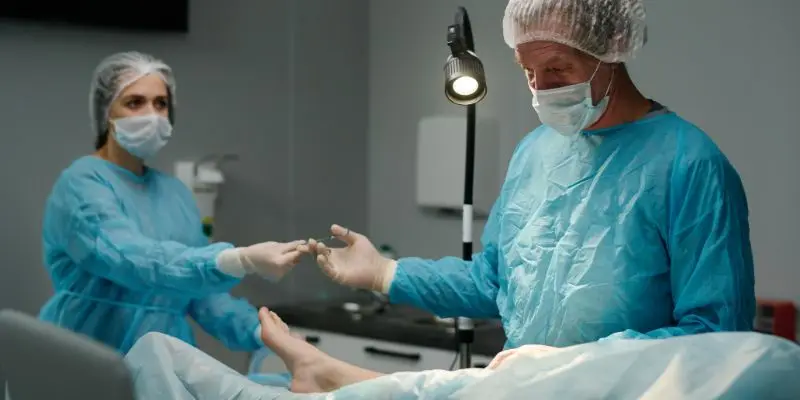
Let's now see together what the different surgical techniques for heel pain are and their respective recovery times.
Plantar fasciotomy
This is the most well-known and widespread procedure for treating chronic heel pain. It involves incision of the plantar fascia to reduce inflammation and general tension . The traditional technique involves an open incision along the plantar fascia, while more modern techniques include endoscopic approaches.
An endoscopic approach, in particular, significantly reduces postoperative recovery times . However, recovery time is typically between 6 and 12 weeks , depending on the recovery therapies used and the patient's individual response.
Nerve decompression
One of the causes of heel pain can sometimes be the compression of a nerve , usually the posterior tibial nerve (which is located in the lower leg).
It is precisely in this case that nerve decompression surgery is deemed necessary. This procedure aims to relieve the pressure on the affected nerves , thus eliminating the pain.
For this type of surgery, the estimated recovery time is between 6 and 8 weeks , a period during which the patient can already begin to regain foot mobility.
Heel spur removal
Sometimes heel spurs can develop into a further complication, namely a heel spur (a bony protrusion that affects the heel).
Since such a bony protrusion is unlikely to resorb on its own, surgery is necessary. The procedure involves removing the spur through a targeted incision on the protrusion.
Immediately after surgery, it's normal for the heel to be swollen and still painful. Despite this, recovery times following heel spur removal are relatively short, with complete healing expected within 8 to 10 weeks.
Achilles tendon surgery
This specific intervention is necessary when heel pain is caused by an injury or rupture of the Achilles tendon.
The surgery itself involves decompression or lengthening of the tendon itself, to reduce overall tension and prevent the development of further complications.
This procedure is more invasive than the others. In fact, post-operative recovery can take up to six months . This lengthy recovery period includes an initial period (4 to 6 weeks) during which the patient will need to use a brace to immobilize the foot, followed by another four to six weeks of intensive, targeted physiotherapy to ensure complete healing of the heel.
The importance of post-operative rehabilitation

Regardless of the type of surgery chosen, post-operative rehabilitation will play a fundamental role in the success of the operation and the resolution of the problem.
The surgery itself is followed by a period of rest and medication , all in preparation for physical therapy and targeted exercises to regain strength and flexibility. Only by following the correct rehabilitation steps will it be possible to regain foot mobility and return to normal daily activities as quickly as possible.
Throughout the post-operative rehabilitation period, it is essential to carefully follow the instructions of your doctor and the physiotherapist you have been assigned to. Taking personal initiatives and not following your doctor's advice could compromise proper healing of the heel and render the surgery useless.
SmartHallux: the experts in foot and ankle pathologies

If you suffer from foot and ankle pain and conditions, and are looking for professionals in the sector to rely on, SmartHallux is just the thing for you.
The SmartHallux team of professionals has been working tirelessly for years to resolve foot and ankle conditions. Always researching innovative techniques and dedicated to researching the most technologically advanced equipment, SmartHallux combines a purely technical approach with patient care.
What SmartHallux offers, in fact, is the utmost professionalism and patient care, based above all on the needs and expectations of the patient himself.
SmartHallux studies and designs personalized rehabilitation programs based on the pathology, the surgery undergone, and the patient's health and aptitude.
What are you waiting for? Book your SmartHallux appointment now and take care of the health of your feet and ankles.