
Plantar fasciitis is one of the most common and widespread causes of foot and heel pain. In this article, we'll look at treatments for plantar fasciitis.
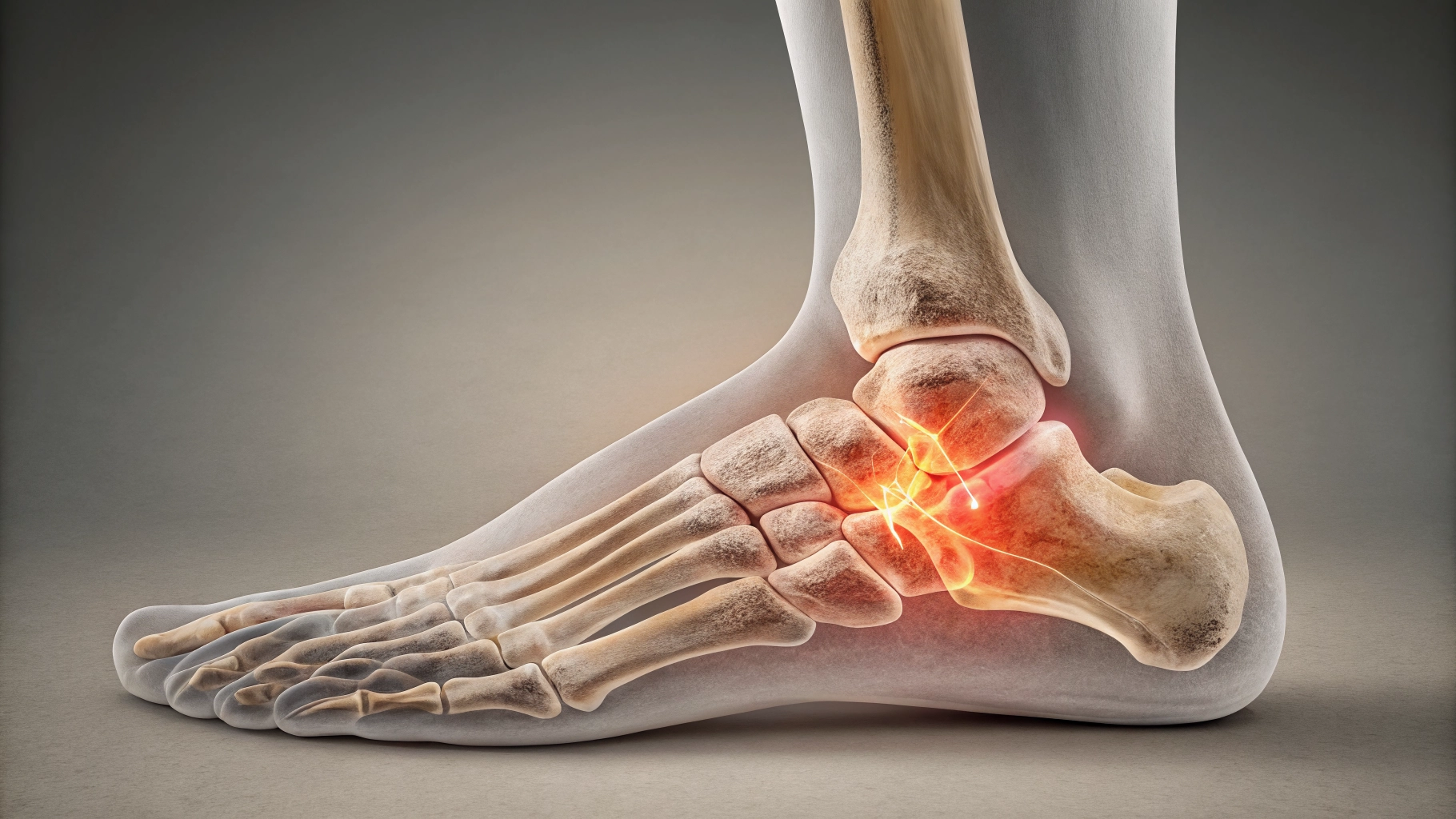
This condition occurs when the plantar fascia , a bundle of connective tissues that connects the heel to the base of the toes, becomes inflamed.
Particularly common among the elderly, overweight people, and athletes, plantar fasciitis must be treated promptly, not only to safeguard foot health but also to prevent the condition from worsening, leading to chronic and debilitating problems.
In this post we will see how to treat plantar fasciitis , examining the various recommended treatments.
Non-surgical treatments for plantar fasciitis

If plantar fasciitis is not particularly severe and debilitating and in the early stages of the disease, doctors usually recommend non-surgical treatments.
Also called conservative treatments , these approaches are aimed at reducing pain and inflammation while also restoring function to the foot.
The conservative treatments we will list are also recommended to treat other foot pathologies such as Achilles tendonitis or hallux valgus.
Among the most common non-surgical treatments, we list:
- Reduction of activity and rest: always recommended to avoid stressing the foot. Not only does avoiding sports relieve pain, but also avoiding prolonged standing can help relax the plantar fascia. Rest is also combined with ice packs, especially to reduce inflammation.
- Targeted exercises and physiotherapyStrengthening and stretching exercises improve the flexibility and mobility of the plantar fascia, reducing foot pain and tension.
- Use of specific drugs: especially anti-inflammatories and painkillers, to reduce pain. It's important to know that the prescription and dosage of these medications must always be decided and supervised by a doctor.
- Corticosteroid and hyaluronic acid injections: preferred when the pain is too sharp and unbearable. They significantly reduce pain, but, being particularly strong and effective, they also have side effects, such as possible thinning of the tissues where the injections are given.
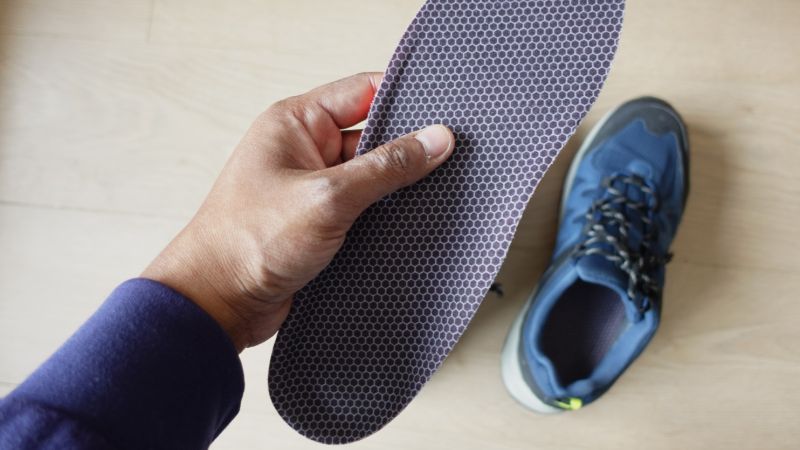
- Foot orthoses (custom made insoles): which provide specific and personalized support to the arch of the foot. Orthoses reduce the stress to which the plantar fascia is subjected, especially in patients with flat feet or other structural abnormalities of the foot.
- Shockwave therapy and tecar therapyThe most innovative of the treatments listed. Shockwaves and tecar therapy stimulate healing of damaged tissue by increasing blood flow to the affected area; they are especially recommended for patients who have not responded positively to other treatments.
Surgical treatments for plantar fasciitis
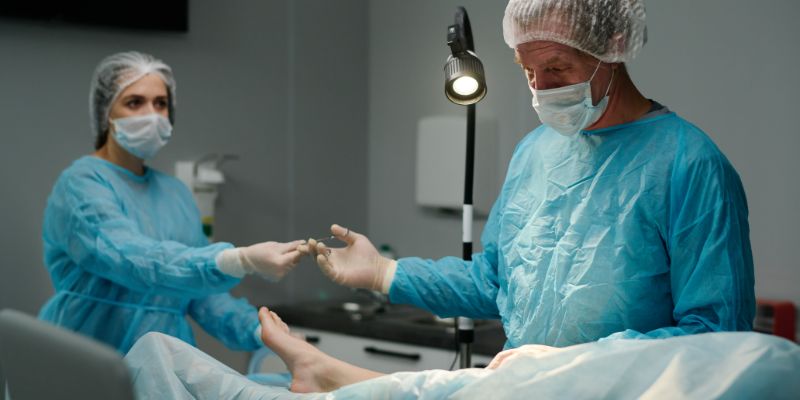
Where conservative treatments fail, surgical treatments may prove successful.
Surgery is usually resorted to as a last resort , when months and months of non-surgical treatments have not produced the desired results.
Therefore, only when plantar fasciitis shows no signs of healing and the pain is unbearable for the patient, surgery is resorted to.
At this point it is also important to point out that there are at least two types of intervention for plantar fasciitis.
Plantar fasciotomy is the most common procedure and involves the partial release of the plantar fascia, so that tension can decrease and, along with it, pain.
In more specific cases, it may be necessary to remove the associated bone spurs ; for this particular type of surgery, it is preferable to use minimally invasive methods to reduce risks and recovery times.
When considering surgical treatment, post-operative recovery times and possible risks and complications must also be taken into account.
Recovery times vary depending on the type of surgery chosen and the patient's general condition. After an initial period of rest, rehabilitation and physiotherapy will begin, allowing the patient to return to their daily routine as quickly as possible.
As for risks and complications , however, it is good to know that, as with any other surgery, the one for plantar fasciitis can cause infections, scarring or nerve damage.
For all these reasons it is always best to rely on a doctor and discuss together the various treatment options and the advantages and disadvantages of undergoing surgery.
Pros and cons of both types of treatments

Both treatments outlined have advantages and disadvantages.
Conservative treatments , for example, are less invasive than surgical ones and require no additional recovery time, other than that required for the treatment. One disadvantage of conservative treatments, however, may be that they may not provide lasting, significant, and effective results immediately after completing the treatment.
Surgical treatments , on the other hand, offer significant, long-lasting, and tangible results immediately after post-operative recovery. The problem, in this case, in addition to the long recovery time, is the potential for complications and the risk of surgical complications.
To better understand the pros and cons of conservative and surgical treatments for plantar fasciitis, it's best to consult with specialists in the field.
How to treat plantar fasciitis: choose SmartHallux

This is where SmartHallux comes in . Having been active in the foot and ankle health field for years, SmartHallux has established itself as an industry leader.
SmartHallux specialists use innovative, minimally invasive techniques and, thanks to their professionalism and years of experience, ensure the utmost care and dedication to patient care.
There is an appropriate approach for each foot or ankle pathology, but what SmartHallux does is further personalize this approach by tailoring it to the needs and expectations of each patient.
SmartHallux offers both surgical and non-surgical solutions, ensuring excellent results, personalized approaches, and reduced recovery times.
Trust SmartHallux: book your appointment

Relying on SmartHallux, therefore, means choosing quality and professionalism in the treatment of plantar fasciitis.
So what are you waiting for? Start taking care of your foot health and book your appointment with SmartHallux.
Booking a SmartHallux visit is very simple, just click here.
Take action today and restore your health with the help of SmartHallux.