
Osteoarthritis Treatment: How to Combat Pain and Regain Joint Mobility
Osteoarthritis is the most common degenerative joint disease. In this article, we'll explore how osteoarthritis can be treated.
By Dr. Luigi ManziUpdated on
Osteoarthritis is one of the most common inflammatory degenerative joint diseases and is certainly the most common musculoskeletal disorder. The degenerative process affects not only the cartilage, but the entire joint, including the subchondral bone, synovial membrane, ligaments, capsule, and peri-articular muscles. In this article, we'll explore how osteoarthritis can be treated.
The main consequences of this pathology, which is more common with age and occurs more frequently in women than in men, are pain, stiffness, and difficulty moving.
Osteoarthritis can have many causes: aging, joint overload, previous trauma, or malformations. Furthermore, osteoarthritis is more common among overweight and obese individuals, making treatment more complex.
Before delving into the causes and possible treatments for osteoarthritis, it may be helpful to understand how joints work and the role of cartilage.
What are joints and what function do they have?
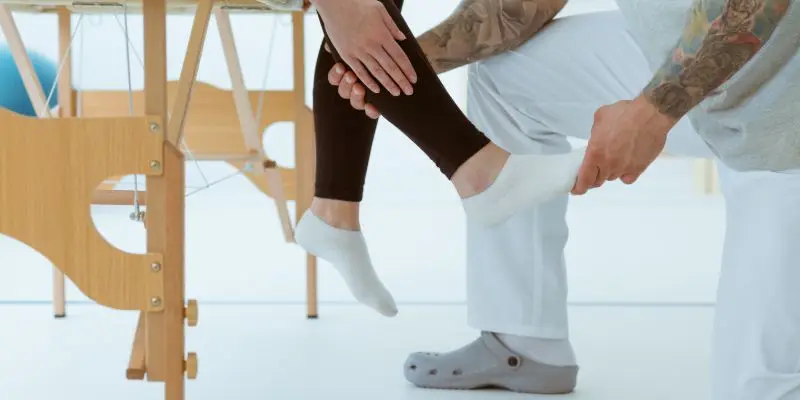
Joints are the meeting point between two or more bones. In our body, we distinguish between fixed, semi-mobile, and mobile joints. Among the latter, the knee and shoulder are examples of joints that allow a wide range of motion. The ankle is essential for walking and balance but can be subject to degenerative problems such as ankle osteoarthritis, a condition that causes pain, stiffness, and limited movement.
Joints are covered by cartilage, which has the vital function of evenly distributing mechanical load, reducing friction during movement, and absorbing microtraumas caused by load on the joint. When this tissue deteriorates, bones begin to rub against each other, causing pain and limited movement.
Osteoarthritis Symptoms: When the Pain Makes You Feel It
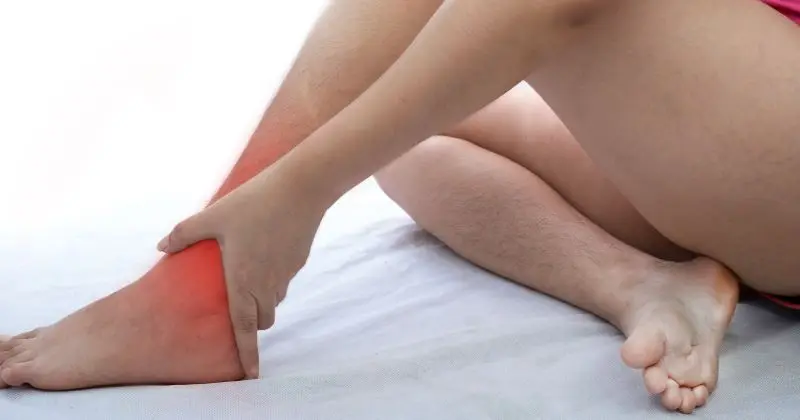
Pain is the main symptom of osteoarthritis and can vary in intensity, worsening with movement and improving with rest. Joint stiffness is more noticeable in the morning or after long periods of inactivity, while difficulty moving can interfere with daily activities. Some patients also report a popping or crackling sensation when moving the affected joint. Over time, these symptoms tend to worsen, necessitating prompt intervention to slow the progression of the disease and initiate treatment for osteoarthritis.
Diagnosis and Treatment: How to Deal with Osteoarthritis

The diagnosis of osteoarthritis is based on clinical examination and radiographic tests, which allow the degree of cartilage wear to be assessed. Pain and functional limitations, along with bone swelling, are the signs a specialist looks for when examining a patient who may be suffering from osteoarthritis.
There is no definitive cure for osteoarthritis. The therapeutic approach is based on lifestyle changes, pharmacological interventions, and, possibly, surgical treatment.
First and foremost, we try to alleviate the symptoms of osteoarthritis and slow the progression of the disease with physiotherapy, the use of painkillers and anti-inflammatory drugs, and joint injections with corticosteroids or hyaluronic acid. Non-pharmacological measures, such as weight management, the application of heat or cold, and the use of orthotics, can also help improve the patient's quality of life.
In the most severe cases, when osteoarthritis is in an advanced stage and irreversible changes to the joint have occurred, surgical intervention for the application of prostheses (knee and hip replacements) may be considered.
Osteoarthritis Treatment with SmartHallux: A New Hope

In recent years, a promising innovation in the treatment of osteoarthritis has been introduced by Dr. Luigi Manzi , founder of SmartHallux Italia. His advanced surgical technique has proven to offer excellent results at a lower cost than other private treatments available. Treating osteoarthritis is complex, but with an appropriate approach, it is possible to alleviate pain and restore mobility, significantly improving the quality of life of those who suffer from it.
The team treats conditions such as hallux valgus , Morton's neuroma , and other deformities that cause foot pain. Providing comprehensive support throughout the treatment process, including post-operative recovery, SmartHallux can be a winning choice for effective treatment tailored to your needs. Book your video consultation with Dr. Luigi Manzi now.