
Heel pain: effective home remedies to relieve pain
Grandma's remedies for heel pain, from ice and salt baths to rest and stretching: which ones ease the pain and when to see a specialist instead.
By Dr. Luigi ManziUpdated on
In this article, titled " Grandma's Remedies for Heel Pain, " we'll explore how to treat or prevent this problem. Never underestimate the consequences of poor foot placement, especially when your body weight is unevenly distributed. Obesity, as well as wearing unsuitable footwear or engaging in intense, joint-stressing physical activity like running or basketball, can lead to heel inflammation, known as heel pain. It's no coincidence that this foot problem is particularly common among professional athletes and even those who regularly participate in sports, often due to the intense strain placed on their feet. The same applies to those who subject their feet to stress from wearing unsuitable footwear, such as shoes that are too tight or lack adequate cushioning.
Causes and symptoms of heel pain
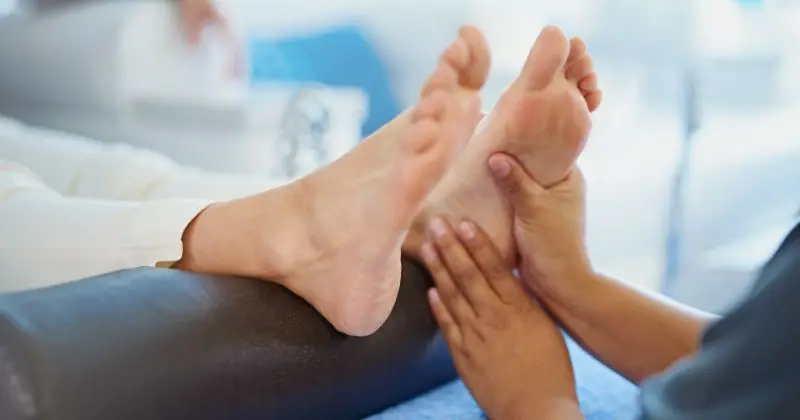
Exposing your feet to excessive loads, resulting in increased pressure on the heel, can compromise your posture. This unbalanced distribution of body weight on the foot inevitably leads to inflammation. However, there are also some congenital, metabolic, or neurological factors that can cause heel pain.
Regardless of the cause, the symptoms of heel pain are often the same. Heel pain typically manifests as pain in the back of the foot. Symptoms may vary depending on the severity of the condition.
Typically, when you have heel pain, the heel area appears red and swollen. You may feel particularly intense and persistent pain in the morning, when you first put your foot down, or after physical activity or a long walk.
Grandma's remedies for heel pain
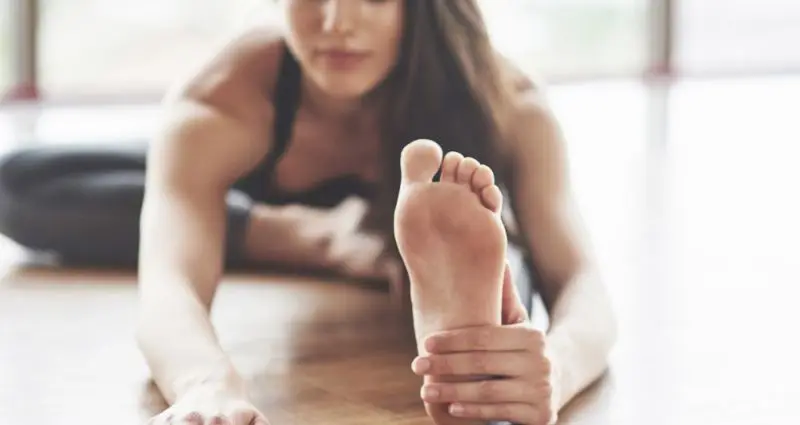
Treatments for heel pain vary depending on the severity of the condition. Physiotherapy and medication should never be ruled out, especially in more severe cases. However, if the pain isn't very intense, you can try some classic home remedies for heel pain.
- Ice packsCold helps reduce pain and inflammation. Applying an ice pack to the heel for 15-20 minutes, up to three times a day, can help relieve heel pain.
- Rest: when you experience pain and swelling in the heel area, it is best to avoid strenuous activity and reduce pressure on the foot, perhaps by using shock-absorbing pads while resting.
- Hot foot bathsSoaking your feet in warm water and using Epsom salt helps relax tired and sore muscles. For a more relaxing effect, you can add essential oils like lavender or eucalyptus.
- Stretching exercisesThere are some specific movements for the calf and the sole of the foot that you can easily do at home and help improve flexibility and reduce stress on the heel. An example? Try rolling a tennis ball under the ball of your foot for a few minutes.
When the inflammation persists and traditional remedies for heel pain don't seem to work, it's very important to consult an orthopedic doctor or a physical therapist for an accurate diagnosis. Seeking medical attention also helps rule out complications or more serious problems such as stress fractures, fat pad atrophy, heel spurs, or Haglund's deformity.
Among the remedies for heel pain that can be prescribed by the doctor, there are:
- the use of anti-inflammatory drugs, indicated to reduce pain and inflammation.
- cortisone injections, recommended in the most severe cases to relieve pain.
- physiotherapy paths and treatments such as shock waves, tecar therapy, high-power laser.
- the surgery, foreseen in the most serious situations, such as when there is a heel spur or structural anomalies of the foot.
Prevention of heel pain

To prevent heel pain, it can be helpful to adopt some simple habits and make slight lifestyle changes. First, it's important to exercise regularly and strengthen the muscles in your feet, legs, and calves. This will improve flexibility and overall arch support, preventing pain and inflammation.
Wearing appropriate footwear is essential. Wearing shoes with good arch support, a shock-absorbing sole, and a comfortable fit can significantly reduce stress on the heel.
Maintaining a healthy body weight is another way to prevent the onset of heel pain, as well as improve overall foot health and the quality of daily life.
For expert advice, schedule a consultation with Dr. Luigi Manzi for an accurate diagnosis and a personalized treatment plan to relieve severe heel pain.