
Effective remedies to relieve heel pain
Heel pain remedies that help: rest, ice, stretching, supportive shoes and insoles, and medical treatments when the pain persists. When to see a doctor.
By Dr. Luigi ManziUpdated on
Heel pain is a nagging pain that occurs with every step. In this article, titled "Heel pain remedies," we'll explore possible solutions. The cause is an inflammatory condition of the heel that can limit mobility and impact the quality of life of anyone, young or old, and more or less active.
This condition can be caused by several factors, including daily habits and medical conditions. The main causes of heel pain are wearing ill-fitting shoes that lack adequate arch support, but also excessive weight that puts extra strain on the heel, or physical activities like running or basketball, which involve repetitive foot movements. Furthermore, in some cases, heel pain can be linked to chronic conditions such as diabetes, plantar fasciitis, or rheumatoid arthritis. Finally, there are some cases in which a foot deformity or conditions such as heel spurs (bone spurs) and inflammation of the Achilles tendon can aggravate the problem, making proper medical evaluation essential.
What are the symptoms of heel pain?

Our feet are a fundamental element for ensuring movement and stability. For this reason, they are subjected to constant stress that puts them to the test and makes inflammation and other ailments a constant threat.
Heel pain can vary in intensity and frequency, but some symptoms are particularly common:
- Sharp pain in the heel: often more intense in the morning or after long periods of inactivity.
- Stiffness and sensitivity to touch: the heel may be painful to the touch, especially along the plantar edge.
- Radiating pain: Pain may extend from the heel down the leg, making it difficult to walk or stand for long periods.
- Difficulty walking: Inflammation makes it difficult to perform daily activities.
If these symptoms are present, it is advisable to consult a specialist for an accurate diagnosis and effective treatment.
Treatment of heel pain
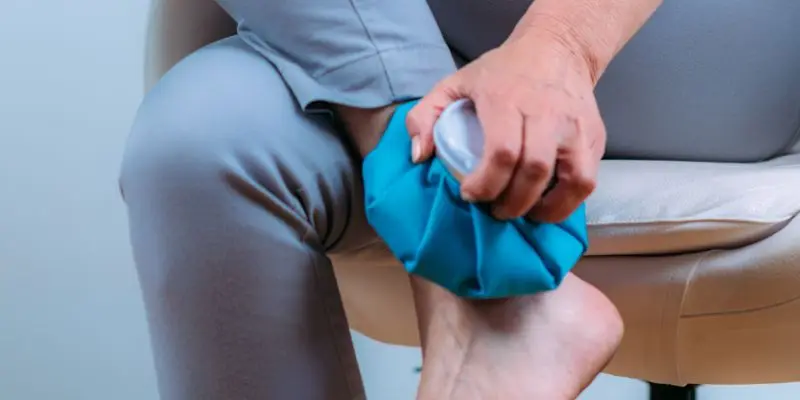
Treatment for heel pain often relies on conservative treatments, which are effective in relieving pain and reducing inflammation. Reducing the load on the heel and stopping activities that cause pain are crucial for recovery. In some cases where the pain is less severe, applying ice to the heel for 15-20 minutes several times a day may be helpful. If this isn't enough, painkillers such as ibuprofen or, in more severe cases, corticosteroids can help.
To try to treat heel pain and resolve this annoying condition, it's a good idea to do specific stretching and strengthening exercises for the foot and ankle, which help reduce pain and improve mobility.
Those suffering from heel pain should also wear shoes that support the arch and cushion the heel. Silicone or gel heel pads inserted into the shoe are usually used, or, if the problem is poor foot placement, a custom-made insole is made in a specialized center after studying the foot and its movement.
Advanced treatments for heel pain
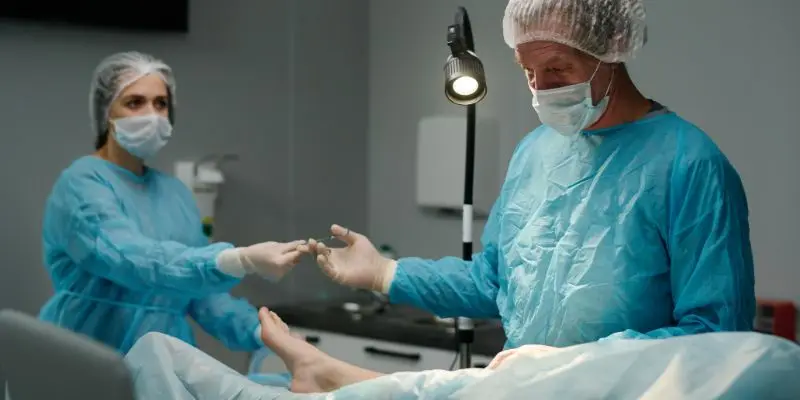
In some cases, conservative treatments are not sufficient, making it necessary to resort to more invasive solutions:
- Plantar fascia release: This surgical procedure relieves tension by cutting the plantar fascia.
- Removal of the heel spur: The bone spur, if present, can be surgically removed to reduce pain.
- Ankle arthrodesis: surgical procedure that stabilizes the ankle joints in cases of severe heel pain related to chronic conditions.
Prevention of heel pain

Heel pain is a painful and debilitating condition, but with the right care and precautions, it can reduce pain and prevent recurrence. From natural remedies like rest and ice to advanced treatments, treating heel pain requires a personalized approach tailored to each patient's specific needs.
Preventing heel pain is possible by following some good practices. Stretching, wearing appropriate footwear, and generally staying fit. Excessive weight increases the risk of heel inflammation and pain.
Book a visit with SmartHallux , at one of the available locations for specialist treatment.