
How to Relieve Bunion Pain: Strategies That Actually Work
Today we're talking about how to relieve bunion pain. Because yes, there is something you can do. And surgery isn't always the first option.
By Dr. Luigi ManziUpdated on
You wake up in the morning and feel that twinge. You know that feeling, right? A bunion isn't just a cosmetic issue—it's a pain that can really ruin your day. In my office, I see patients who say, "Doctor, I can't walk like I used to," or "I've stopped wearing certain shoes I used to love."
Today we're talking about how to relieve bunion pain. Because yes, there is something you can do. And surgery isn't always the first option.
What is hallux valgus really?
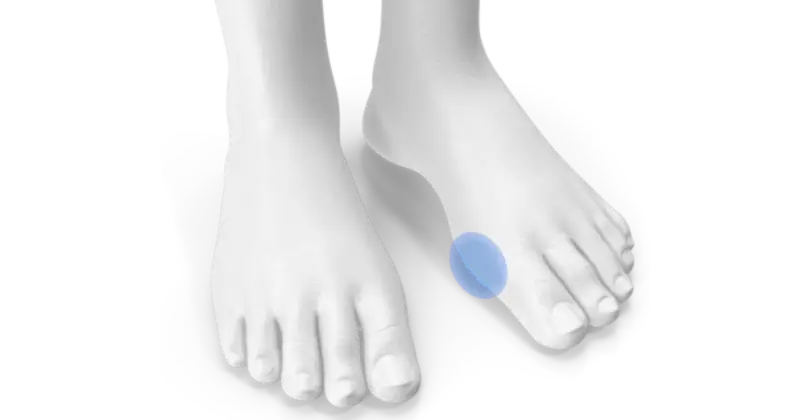
Hallux valgus is a deformity where the big toe "twists" toward the other toes. But the problem isn't just the appearance. The real issue is the inflammation it causes.
Think of your foot as a precision mechanism. When your big toe shifts from its natural position, all your weight is distributed unevenly. The result? Pain. Inflammation. And that "bunion" that forms at the base of your big toe, technically called a bunion, which chafes against your shoe.
The causes? More than you think.

"Doctor, is it the heels that are to blame?" patients often ask me. High heels certainly don't help, but the causes of bunions are more complex than commonly believed.
There's a significant genetic component. If your mother or grandmother had bunions, the chances of you developing this problem also increase considerably. Then there are biomechanical issues: flat feet, excessive pronation, and instability of the first metatarsal ray. In short, sometimes it's the very structure of the foot that predisposes to the problem.
And yes, the wrong shoes make everything worse. Shoes that are too tight, with a pointed toe, or excessively high heels. But even shoes that are too loose can cause problems, as the foot slips and assumes incorrect positions.
Symptoms You Can't Ignore
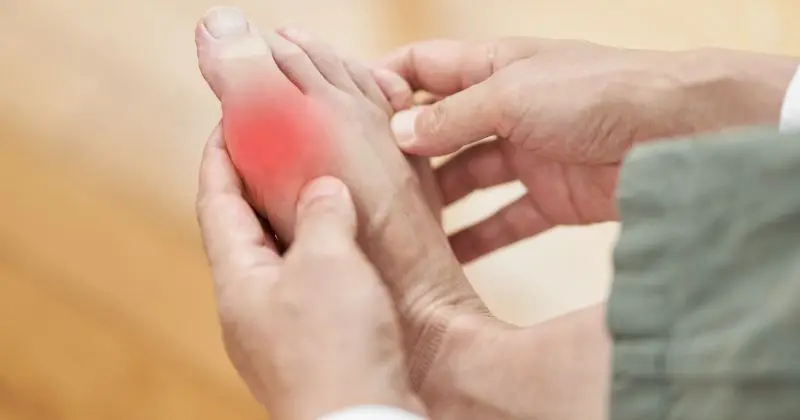
Hallux valgus pain has specific characteristics. It's not just any pain.
It usually starts slowly. Maybe only at the end of the day, after a lot of walking. Then it becomes more frequent. My patients describe a burning sensation at the base of the big toe, especially when wearing closed shoes. "It's as if something is pressing from the inside," a patient told me last week.
Redness and swelling are other typical signs. The bunion area becomes sensitive to the touch, red, and sometimes even develops bursitis. And when the inflammation is acute, even the mere touch of a sheet can cause discomfort.
How to get to the diagnosis

In the office, diagnosing hallux valgus is fairly straightforward. First, I observe how you walk. Then I examine your foot, checking the angle of deviation of the big toe, and seeing if there are any other associated deformities, such as hammertoes.
But the most important thing is to understand how much it's limiting your daily life. Because bunions aren't a competition to see who has the most crooked angle—it's important to assess the impact on your quality of life.
A weight-bearing X-ray of the foot then provides precise information on the angles and bone structures. It's not always necessary, but in some cases it's essential for planning the most appropriate treatment.
How to relieve pain: strategies that work
Let's see together what we can do to relieve bunion pain without immediately resorting to surgery.
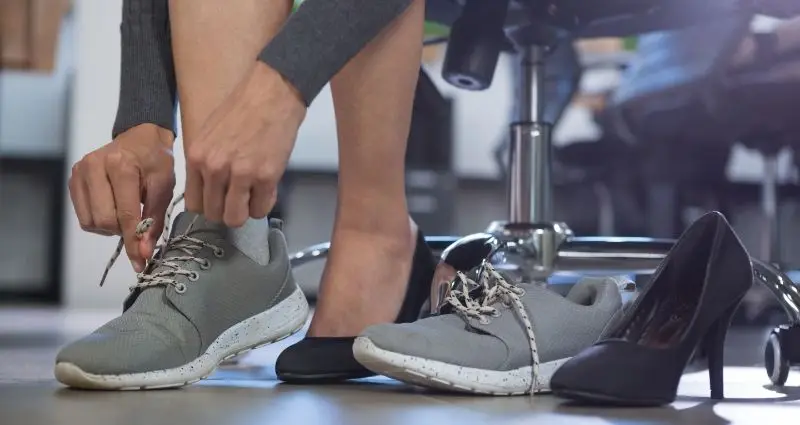
**Let's start with shoes.** I know, it seems trivial, but it's essential. Shoes with a wide toe, a maximum heel of 3-4 centimeters, and soft materials. My patients often say to me, "But doctor, they're ugly!" – yet today there are many elegant options that also respect foot health.
**Ice is a valuable ally** when a bunion is inflamed. Apply 15-20 minutes, 2-3 times a day. Always wrap the ice in a cloth—never apply it directly to the skin.
Mobilization exercises for the big toe can provide relief. Try moving your big toe inward, holding the position for a few seconds. Or roll a tennis ball under your foot. Small gestures, however, can make a difference over time.
**Custom-made insoles** are often underrated. I'm not talking about the supermarket ones, but those made specifically for your foot. They can properly redistribute the load and reduce pressure on the painful area.
As for medications, anti-inflammatories like ibuprofen can help in acute phases. But be careful: always use in moderation and follow the directions. They are not a long-term solution.
When hallux valgus pain requires more specific treatments
If home remedies for a bunion aren't enough, there are other options.
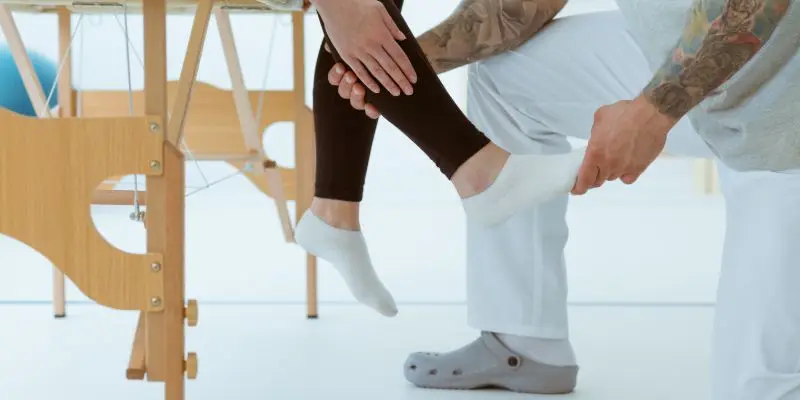
Specialized physiotherapy can be very helpful. A physiotherapist with expertise in foot conditions can teach you specific exercises and mobilization techniques that I, alone in my office, can't fully convey.
Hyaluronic acid injections into the joint can reduce friction and improve mobility. It's not a treatment I routinely perform, but in selected cases it can yield good results.
Shockwave therapy is another option for stimulating healing of inflamed tissue. Again, it's not for everyone, but I've seen significant improvements in some patients.
Prevention is better than cure

Once you have a bunion, it's unlikely to go back to normal without surgery. But you can do a lot to slow its progression and reduce symptoms.
Maintain a healthy body weight. Every extra pound translates into more pressure on your feet. Do exercises to maintain toe flexibility. And above all, always choose appropriate shoes.
If you notice the first signs—perhaps just a slight shift in your big toe—don't wait until the pain becomes unbearable. The sooner you intervene, the better the results.
SmartHallux: Where we can help you

Here at SmartHallux, we specialize in foot and ankle surgery. Dr. Luigi Manzi, who has extensive experience in this field, provides each patient with a personalized treatment plan using the most modern and minimally invasive techniques.
The SmartHallux technique allows for faster recovery times and long-lasting results. But before considering surgery, we always evaluate all conservative options together.
The SmartHallux team treats conditions such as hallux valgus , Morton's neuroma , and other deformities that cause foot pain. Providing comprehensive support throughout the treatment process, SmartHallux can be a winning choice for effective treatment tailored to your needs. Book your specialist consultation with the SmartHallux team now (opens in a new tab).
Questions you often ask me
Doctor, can a bunion heal on its own?
Unfortunately, no. Once it forms, it tends to worsen over time. However, we can significantly slow its progression and control the symptoms with the right treatments.
When is surgery necessary?
When pain significantly limits quality of life and conservative treatments no longer yield results, we don't operate for aesthetics, but for the patient's well-being.
Is the surgery very painful?
With modern techniques, postoperative pain is highly manageable. Most patients are surprised at how manageable the recovery is.
How much does the SmartHallux procedure cost?
Prices are in line with the private market, but vary based on complexity. We always provide a detailed quote after the visit.