
Blisters under the foot: causes, symptoms, remedies, and treatment
Have you ever felt a burning sensation under your foot followed by a fluid-filled sac? It could be an annoying blister under your foot.
By Dr. Luigi ManziUpdated on
Have you ever felt an annoying burning sensation under your foot, often followed by the appearance of a small fluid-filled sac? If so, you've probably experienced a blister under your foot.
This is a problem that affects many people, but is often underestimated and can cause various problems of varying degrees of severity.
To understand the causes of these annoying blisters and how to prevent and treat them effectively, it's important to get informed and follow some tips listed in the rest of this article.
What are blisters under the foot?
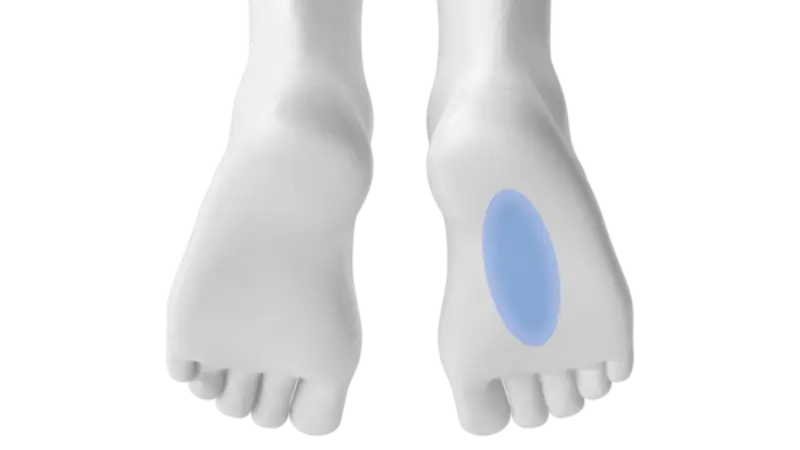
When they appear, blisters on the underside of the foot represent the body's reaction to excessive friction, pressure, or irritation. This reaction manifests as small fluid-filled sacs that form between the layers of the skin.
Blisters under the foot can vary in shape and type, depending on the underlying cause and the fluid they contain. The most common blisters under the foot are friction blisters, caused by the rubbing of the skin against footwear. Then there are blood blisters, which form when blood vessels burst due to pressure, filling the blister with blood. Finally, there are burn blisters, caused by sunburn or exposure to high temperatures, and the rarer infection-related blisters under the foot, which form following a bacterial or fungal infection.
Causes of blisters under the foot

As we've seen, there are various causes underlying the formation of blisters under the foot. Most commonly, they are a consequence of friction caused by new or ill-fitting shoes, scratchy socks, or uncomfortable seams. The heat and humidity inside shoes also create an ideal environment for blisters to form under the foot. Those who suffer from certain skin conditions, such as eczema and psoriasis, are at risk of having more vulnerable skin and experiencing blisters under the foot. In some cases, the use of specific medications, such as corticosteroids, can cause blisters, including under the foot, as a side effect.
Symptoms of blisters under the foot

Blisters under the foot have easily recognizable symptoms. In addition to the immediately visible swelling of the affected area, redness is common, accompanied by localized pain or burning.
Diagnosing blisters under the foot is generally simple and based on observation of symptoms. If there are any concerns or complications, your doctor may perform a physical exam or take a fluid sample for analysis.
Remedies and treatments for blisters under the foot
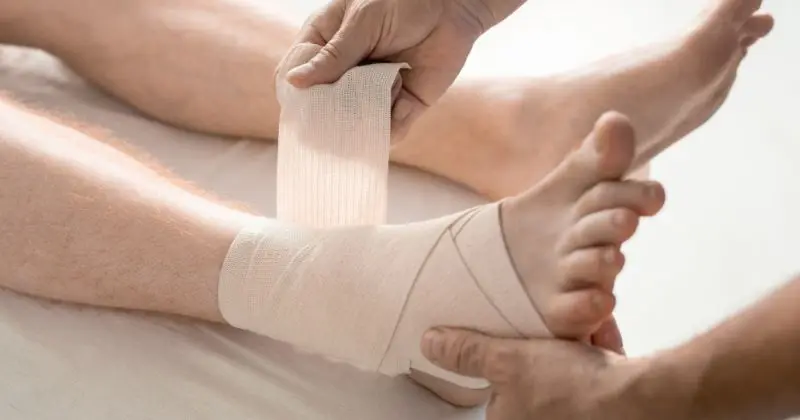
Treatment of foot blisters depends on the severity and cause. In many cases, home remedies are available, while in others, medical intervention may be necessary.
When the blisters on the foot are small and painless, simply apply a protective bandage and let them heal on their own. If the blister is large and painful, it's advisable to try draining the fluid with a sterile needle, taking care not to remove the overlying skin. Cold compresses on the affected area can help reduce pain and swelling.
If the blisters on the underside of your foot are infected, bleeding, or particularly painful, it is advisable to consult a doctor, who may recommend antibiotic treatment or, in rare cases, surgery.
Prevention of blisters under the foot
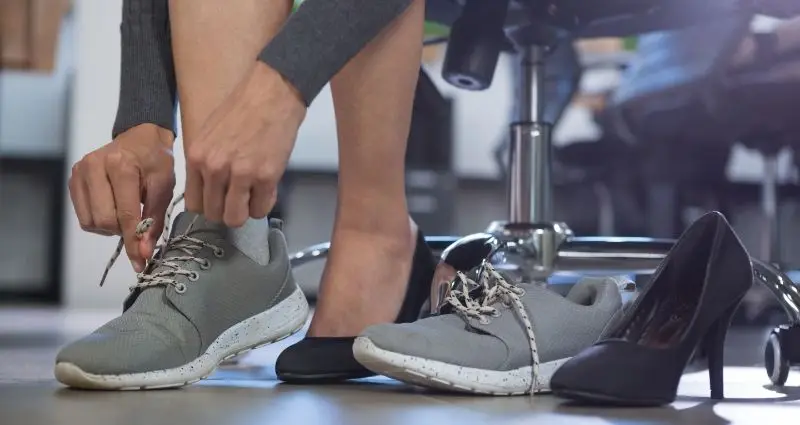
Prevention is always better than cure. Blisters under the feet can cause complications such as infections, ulcers, or scarring if not treated properly. Therefore, it's a good idea to regularly inspect your feet for any signs of irritation. In any case, to prevent the formation of blisters under the feet, it's best to wear comfortable, well-fitting shoes, avoiding shoes that are too tight or too loose. Wearing socks made of breathable materials, such as cotton and merino wool, helps prevent the formation of blisters under the feet. Applying a lubricant, such as Vaseline, helps reduce friction between the skin and the shoes.
SmartHallux: When to See a Doctor

See a doctor if you have infected, bleeding blisters, severe or persistent pain, difficulty walking, or recurring blisters.
In some cases, minimally invasive surgery may be necessary to remove the blister and treat the underlying cause.
The SmartHallux technique , for example, is an innovative procedure that offers numerous advantages, such as less post-operative pain, faster recovery, and minimal scarring. Through an outpatient procedure performed under local anesthesia, those suffering from blisters under the foot can quickly resume their daily activities.
The team treats conditions such as hallux valgus , Morton's neuroma , and other deformities that cause toe pain. Providing comprehensive support throughout the treatment process, including post-operative recovery, SmartHallux can be a winning choice for effective treatment tailored to your needs. Book your video consultation with Dr. Luigi Manzi, SmartHallux Italia representative, now .