
What's that little ball under your foot?
A small lump or ball under the foot is often a plantar fibroma, a cyst, a callus or a swollen bursa. How to tell them apart and when to see a specialist.
By Dr. Luigi ManziUpdated on
The term "ball under the foot" commonly refers to a small swelling that can appear on the sole of the foot, usually near the toes or in the middle of the foot. The sensation can range from mild discomfort to severe pain, especially when walking or wearing tight shoes.
The causes can be numerous, including:
- Plantar cyst or tendinous: benign fluid-filled growths that develop in soft tissues.
- Morton's neuroma: thickening of an interdigital nerve, often between the third and fourth toes.
- Plantar fasciitis: inflammation of the plantar fascia, which can cause a painful fibrous nodule.
- Bursitis or capsulitis: inflammations linked to overload or incorrect posture.
- Deep calluses or corns: accumulations of thickened skin due to constant friction and pressure.
- Post-traumatic outcomes: from small fractures to repeated traumas over time.
As you can see, it's not just a "ball" to ignore. Identifying the cause is essential to determining the most appropriate treatment.
Symptoms to watch for

The appearance of a lump under the foot can be accompanied by various symptoms. Some are mild, others more obvious:
- Localized pain, which increases with walking or standing for a long time
- Sensation of foreign body in shoe
- Tingling or numbness in the fingers
- Swelling and, in some cases, redness
- Difficulty moving some fingers
If you notice one or more of these signs, it is advisable not to wait for the disorder to worsen.
Diagnosis: How to understand what it is

Diagnosis begins with a specialist examination, during which the doctor observes and palpates the foot to assess the size, consistency, and position of the ball. Depending on the clinical suspicion, instrumental tests may be requested, such as:
- Ultrasound: useful for distinguishing cysts, inflammations or lesions in soft tissues.
- Radiography: ideal for excluding bone alterations.
- Magnetic resonance: in the most complex cases, it allows a detailed view of the internal tissues.
What treatments are available?

Treatment depends on the underlying cause. In many cases, a conservative approach is initiated:
- Rest and ice application
- Anti-inflammatory drugs (prescription)
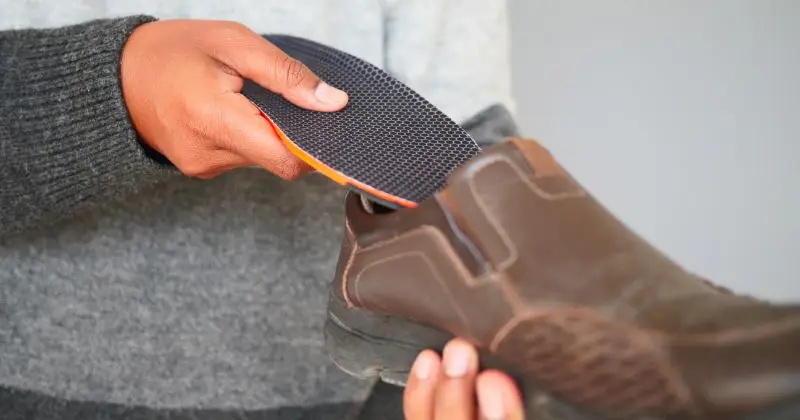
- Use of custom-made insoles or orthopedic footwear
When these solutions aren't enough or the ball grows, surgical treatment is considered. The SmartHallux method , developed by Dr. Luigi Manzi, allows for minimally invasive intervention , reducing pain, recovery time, and the risk of recurrence.
After surgery: what to expect
The postoperative recovery varies depending on the procedure performed, but is generally rapid. In the first few weeks, the following are recommended:
- Rest with foot raised
- Use of post-operative footwear
- Light rehabilitation to recover mobility and prevent adhesions
Many patients return to walking normally after just a few days, following the specialist's instructions.
How to prevent a ball from appearing under your foot?

Prevention is based on small daily precautions. Some good practices include:
- Wear comfortable shoes with adequate arch support
- Avoid long walks on hard surfaces without protection
- Perform stretching exercises for your feet and calves
- Maintain a balanced body weight
SmartHallux: When to See a Specialist

If you've been feeling a lump under the sole of your foot for days and symptoms aren't improving, don't wait. Dr. Luigi Manzi , an orthopedic surgeon specializing in foot conditions, can help you with an accurate diagnosis and personalized treatment.
The SmartHallux team treats conditions such as hallux valgus , Morton's neuroma , and other deformities that cause foot pain. Providing comprehensive support throughout the treatment process, including post-operative recovery, SmartHallux can be a winning choice for effective treatment tailored to your needs. Book (opens in a new tab) your specialist consultation with the SmartHallux team now.
FAQ
How to treat a ball under your foot?
Treatment varies depending on the cause. In many cases, it begins with ice, rest, and orthotics. If the pain persists, minimally invasive surgery may be helpful.
What does it mean to have a ball under your foot?
This is a sign that could indicate a cyst, inflammation, a neuroma, or a muscle-tendon injury. It should be evaluated by a specialist.
What is the ball under your foot called?
The name changes depending on the cause: it can be a plantar cyst, Morton's neuroma, plantar fasciitis nodule, bursitis or callus.