
Calcaneal Enthesopathies: What They Are, How to Recognize Them, and When to Intervene
Heel pain may seem like a temporary annoyance. But when it persists, worsening in the morning, it could be a more specific condition: calcaneal enthesopathy.
By Dr. Luigi ManziUpdated on
Heel pain may seem like a temporary annoyance. But when it persists, worsens in the morning, and limits walking, it may be a more specific condition: calcaneal enthesopathy . This little-known but very common inflammation affects the insertion of the tendons into the heel bone—often associated with the notorious heel spur or Achilles tendinopathy.
What are calcaneal enthesopathies?

Enthesopathies are chronic inflammations that affect the insertion of a tendon or ligament into the bone. When they affect the heel, they are called calcaneal enthesopathy . They can involve the posterior portion (where the Achilles tendon inserts) or the plantar area (connected to the plantar fascia ).
They affect active people, athletes, but also those who work on their feet all day or have poor posture. And yes, they often have a significant impact on the quality of daily life.
What are the causes?

Calcaneal enthesopathies are often multifactorial. Among the most common:
- Intense sporting activity: running, jumping, sports with changes of direction
- Inappropriate shoes: high heels, soles that are too thin, lack of support
- Overweight: weight increases traction on the tendon area
- Rheumatic diseases: such as ankylosing spondylitis o psoriatic arthritis
- Genetic predisposition and untreated muscle stiffness
Symptoms: How does it manifest itself?
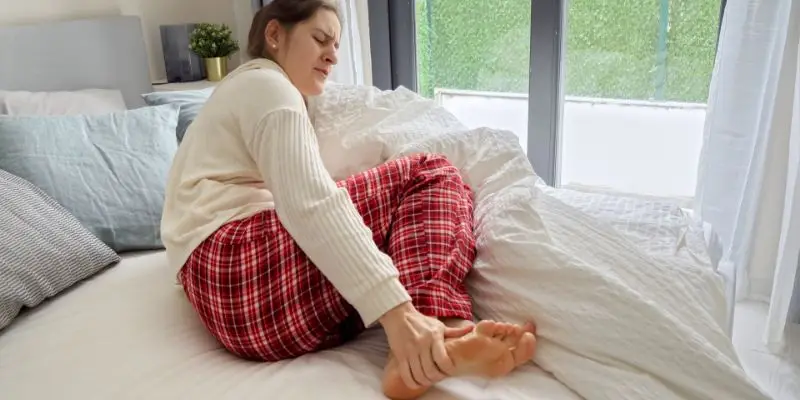
Heel pain is a warning sign, but it can present itself in different ways:
- Morning pain sharp, which improves with movement
- Rigidity or a feeling of tension, especially upon waking up or after resting
- Swelling located in the back or lower part of the heel
- Pain to the touch or when standing for a long time
- Difficulty walking, especially barefoot or on hard surfaces
How is it diagnosed?

The diagnostic process includes:
- Objective examination by the specialist
- Radiography to exclude fractures or evaluate the presence of bone spurs
- Ultrasound to visualize the tendons and the inflamed area
- Magnetic resonance, if deeper lesions are suspected
Treatments: from rest to surgery

Treatment depends on the stage and severity of the enthesopathy. There are several options:
1. Conservative treatment
- Rest and ice in moments of acute pain
- Anti-inflammatory drugs to reduce inflammation and pain
- Targeted physiotherapy with stretching and myofascial techniques
- Custom orthotics and insoles, to relieve the painful area
2. Infiltrations
In some cases, corticosteroids or regenerative treatments such as PRP (platelet-rich plasma) are used to reduce chronic inflammation.
3. Surgical treatment
When conservative therapies fail, surgery is considered:
- Cleaning of the tendon insertion
- Removal of enthesopathic calcifications
- Arthrodesis or minimally invasive techniques, with well-planned recovery times
Rehabilitation and prevention
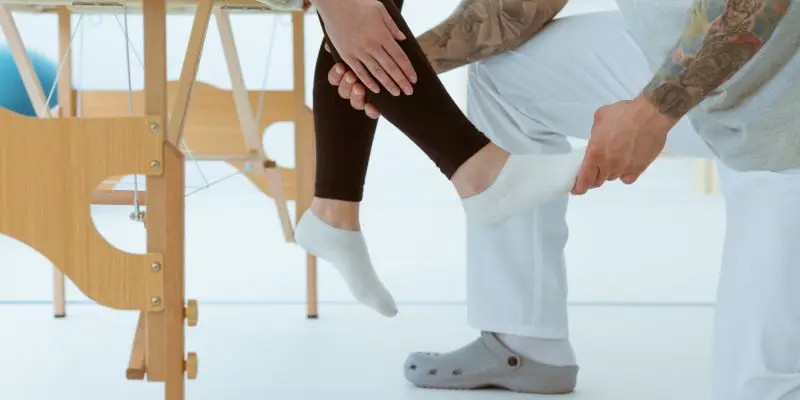
After treatment (conservative or surgical), rehabilitation is essential:
- Exercises of Achilles tendon lengthening and the plantar fascia
- Gradual muscle strengthening
- Gradual return to sporting or work activity
To avoid relapses:
- Usa shoes with good support and cushioning
- Avoid overload
- Enter the daily stretching
- Maintain a healthy weight
The SmartHallux approach to foot care

Calcaneal enthesopathies are serious, but manageable, conditions. Ignoring them can lead to progressive worsening. With early diagnosis and a personalized plan—like the one proposed by SmartHallux —it's possible to return to pain-free walking and full functionality.
The SmartHallux team treats conditions such as hallux valgus , Morton's neuroma , and other deformities that cause foot pain. Providing comprehensive support throughout the treatment process, including post-operative recovery, SmartHallux can be a winning choice for effective treatment tailored to your needs. Book (opens in a new tab) your specialist consultation with the SmartHallux team now.
Frequently asked questions
How long does the pain from calcaneal enthesopathy last?
It depends on the severity. It can last for weeks or become chronic if left untreated.
Can I continue to play sports?
In moderation, and only if symptoms are controlled. Activity should be adjusted to the pain.
Is the treatment expensive?
The options are variable. Conservative solutions are more accessible, but in some cases, surgery is considered.