
Equinus foot in adults: when the heel doesn't touch the ground
Equinus foot in adults means the ankle cannot bend enough for the heel to reach the ground, forcing a tiptoe gait. The causes, symptoms and how it is treated.
By Dr. Luigi ManziUpdated on
Have you ever seen someone walking on tiptoe? Not because they're practicing gymnastics, but because they simply can't get their foot completely on the ground. This is what we call clubfoot in adults.
It's a situation I see more often than you might think in my office. Patients often come in worried, telling me about difficulty walking, ankle pain, or a feeling of instability they can't quite explain. "Doctor, it's like my foot is locked," they often say.
Clubfoot isn't just a cosmetic issue—although I understand it may seem strange to others—it's a real deformity that can make daily life truly challenging.
What does “club foot” really mean?
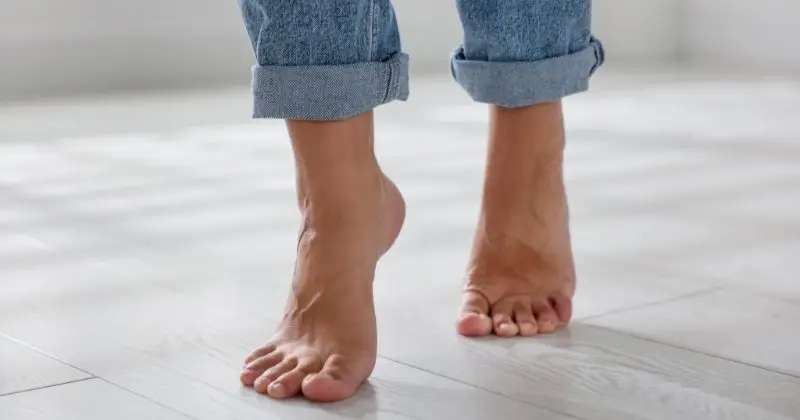
When we talk about adult equinus foot, we're referring to a condition where the foot remains in a permanent plantar flexion position. Simply put? The foot is "pointed" downward, as if you were always walking in very high heels.
Think of a horse's foot—hence the name "equine." The heel can't fully touch the ground while walking. This forced position of the foot creates a series of compensations throughout the body that, in the long run, can become truly problematic.
The plantar fascia, tendons, and ankle muscles—everything is put under abnormal strain. It's as if your body is constantly adapting to walking on an incline. Exhausting, right?
Causes of clubfoot: Why does it happen?

Now, this is interesting because the causes in adults are very different from those in children. In my practice, I've seen cases related to major neurological issues like stroke. When part of the brain is damaged, the foot muscles can lose their normal control.
I've treated patients with cerebral palsy who, as they grew older, developed adult equinovarus. Diabetes is another common cause I see—this disease can damage both the nerves and blood vessels in the foot, causing progressive muscle weakness.
Nerve damage is perhaps the most dramatic cause. The other day, a patient came to me who had been in a serious car accident years earlier. The trauma had damaged the nerve that controls the muscles that allow the toe to lift. The result? Acquired clubfoot, which made walking increasingly difficult.
How the problem manifests itself
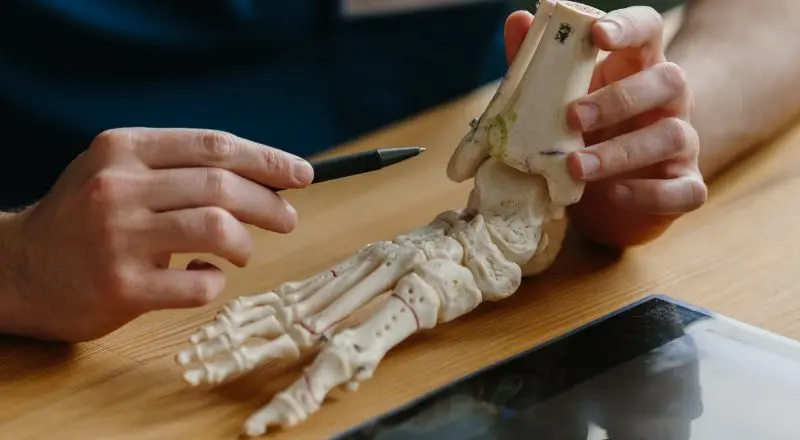
The symptoms? Well, they're pretty obvious once you know what to look for. The patient walks on tiptoe, often with a characteristic gait we call "steppage"—he lifts his knee significantly to prevent his toes from dragging on the ground.
Difficulty landing on the heel is the main symptom, but not the only one. Many patients tell me about ankle pain and a constant feeling of instability. "I always feel like I have to balance," a woman told me last week.
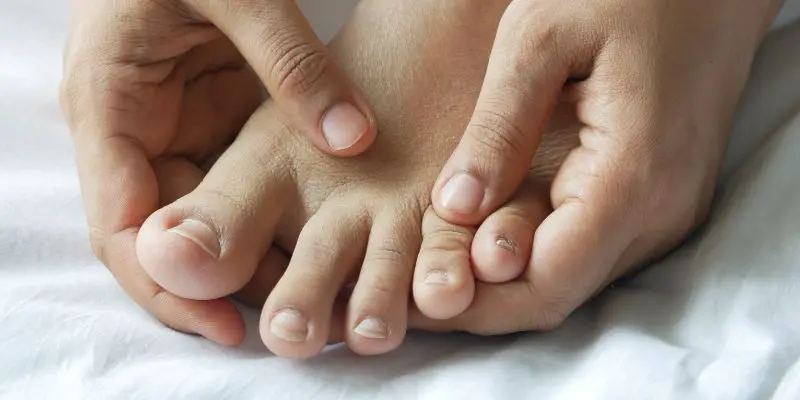
Heel pain can become severe, especially when trying to force the foot forward. Some people also develop problems with their toes, which are overused. It's not uncommon to see associated heel spurs or inflammation of the plantar fascia.
How I get to the diagnosis

When a patient comes into my office with suspected clubfoot, the first thing I do is observe how they walk. It's amazing how much information you can glean simply by looking at a person's gait.
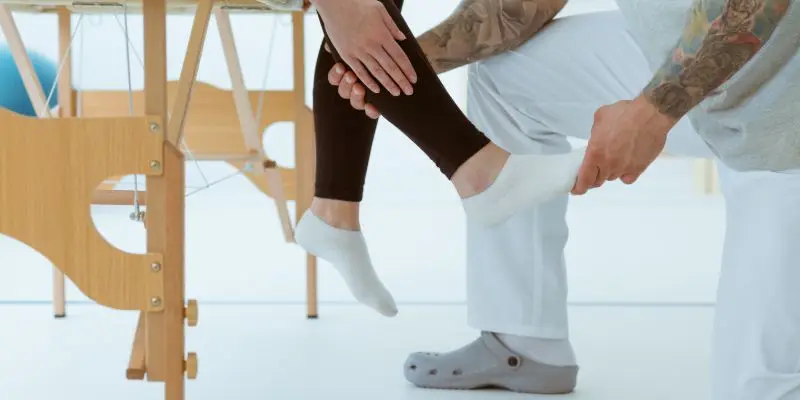
Then I move on to the actual physical exam. I check the ankle's range of motion, assess muscle strength, and test sensation. It's crucial to determine whether the problem is neurological or mechanical in origin—it all changes the therapeutic approach.
What about instrumental tests? X-rays are the first step to rule out bone problems. I sometimes request an MRI to better evaluate the soft tissues, especially if I suspect a tendon problem. In selected cases, an electromyography (EMG) may also be useful to evaluate nerve function.
Treatment options
Here's the question everyone asks me: "Doctor, can it be cured?" The answer depends on many factors—the cause, how long the problem has been present, the patient's age.
For less severe cases, we often begin with a conservative approach. Physical therapy can work wonders, especially if the problem isn't too complex. Specific exercises include stretching the Achilles tendon, strengthening the dorsiflexor muscles of the foot, and working on balance and proprioception.
Night splints can be helpful in keeping the foot in the correct position while resting. I sometimes prescribe specific insoles that help with walking, although I have to be honest—in more severe cases, their effectiveness is limited.
When conservative treatment isn't enough, we must consider surgery. Various procedures are possible, from Achilles tendon lengthening to tendon transpositions to more complex bone procedures. Each case is unique and requires a personalized approach.
The recovery journey
Rehabilitation after clubfoot surgery requires patience. Lots of patience. I usually see patients start walking better after a few months, but full recovery can take up to a year.
It's important to be realistic about your expectations. A perfectly normal foot isn't always possible, but in most cases, a significant improvement in quality of life is achieved.
Prevent when possible
Preventing adult equine foot is often difficult because the main causes—stroke, diabetes, trauma—are not always preventable. However, we can do something for patients at risk.
For those with diabetes, glycemic control is essential. Regular foot checks and attention to the early signs of neuropathy are essential. For those who have had a stroke, early and effective rehabilitation can make the difference in preventing secondary deformities.
SmartHallux: Where we can help you

Dr. Luigi Manzi, with extensive experience in this field, follows each patient with a personalized treatment plan using the most modern techniques. This multidisciplinary approach allows us to offer both conservative and advanced surgical solutions.
The SmartHallux team treats conditions such as hallux valgus , Morton's neuroma , and other deformities that cause foot pain. Providing comprehensive support throughout the treatment process, SmartHallux can be a winning choice for effective treatment tailored to your needs. Book your specialist consultation with the SmartHallux team now (opens in a new tab).
FAQ
Can adult equinus foot be completely corrected?
It depends on the cause and severity. In stable neurological cases, significant improvements are often achieved, but a perfectly normal foot is rarely achieved. The primary goal is to improve function and reduce pain. I have seen patients walk again without problems after years of difficulty.
How long does it take to see the first results?
With physiotherapy, initial improvements are usually seen after 2-3 months of consistent work. After surgery, however, you have to wait for the tissues to heal—the first steps without a brace are usually possible after 6-8 weeks, but full recovery takes much longer.
Is it true that clubfoot can get worse with age?
Yes, especially if the cause is progressive neurological. This is why it's important not to wait too long before consulting a specialist. The sooner you intervene, the better the results you can achieve.