
Foot malformations: causes, symptoms, and treatments
Foot malformations can be present from birth or develop over time, from clubfoot to flat feet. The causes, the symptoms and treatment options.
By Dr. Luigi ManziUpdated on
Have you ever noticed an irregular foot shape in a newborn or had difficulty walking since childhood? Foot deformities are more common than you think, and early detection can make a difference in the quality of your life.
Let's find out together what they are, what they depend on, and how to deal with them.
What is meant by foot malformation?

Foot malformations refer to structural abnormalities present at birth that may affect the bones, joints, muscles, or nerves. Some are visible from the first days of life, while others appear during growth or adulthood, often due to an anomaly that has never been corrected.
The foot is a complex structure, composed of 26 bones, 33 joints, and over 100 muscles and ligaments. Any alteration in its shape can affect balance, posture, and gait.
What are the main foot malformations?

The most common types include:
- Congenital clubfoot: the foot appears rotated inward, often in a rigid manner
- Metatarsus varus: the forefoot is deviated inwards
- Hammer toes: deformation of the fingers bent downwards
- Morton's neuroma: painful thickening of a nerve between the fingers
- Apert or Poland syndrome: genetic conditions that may include foot deformities
Other conditions, such as flat foot , hollow foot or hallux valgus , while not always congenital, can evolve from untreated malformations.
Causes of foot malformations

The origins can be various:
- Genetic factors, as familiarity with deformities
- Problems during pregnancy, such as abnormal fetal position or lack of amniotic fluid
- condizioni mediche that alter bone and muscle development
- Combination of environmental and genetic factors
Most common symptoms
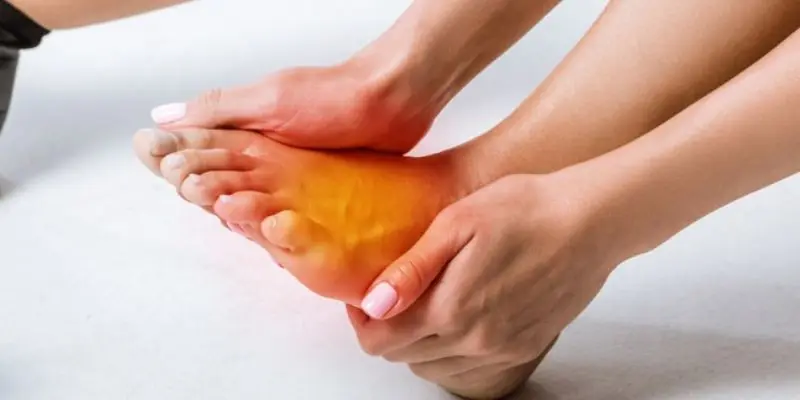
Signs that may suggest a malformation include:
- Pain, even in the absence of trauma
- Persistent swelling or redness
- Difficulty walking or running
- Visible deformities (such as overlapping fingers, incorrect support)
- Joint stiffness or instability of the foot
How is the diagnosis made?

The first step is a clinical examination by an orthopedic specialist, followed by:
- X-rays, to evaluate the bone structure
- Magnetic resonance, useful for investigating soft tissues and nerves
- Functional gait tests, if necessary
What treatments are available?
Conservative approach
For mild or early diagnosed forms:
- Orthopedic braces and footwear to guide bone growth
- Physiotherapy to improve strength, mobility and posture
- Corrective casts, especially in newborns
Surgical intervention
In the most severe cases or those that do not respond to conservative treatments, surgery may be used to:
- Correct bone deformities
- Release compressed nerves or tendons
- Rebuild the arch or reposition joints
Post-operative rehabilitation is essential and requires a personalized program with specialized physiotherapists.
Prevention and long-term management
Not all malformations are preventable, but early diagnosis allows for more successful intervention. Monitoring children's foot development, choosing appropriate footwear, and consulting a specialist at the first signs of pain or abnormality are good practices.
SmartHallux: Trust a specialized team

Dr. Luigi Manzi , an orthopedic surgeon specializing in foot and ankle surgery, leads SmartHallux , a leading center for the treatment of foot deformities . He offers:
- Clinical experience on complex cases
- Cutting-edge technologies (including stem cell therapy)
- Tailored rehabilitation programs
- Restoration Achilles tendon emergency room and joint prostheses
The SmartHallux team, led by Dr. Luigi Manzi, treats conditions such as hallux valgus , Morton's neuroma , and other deformities that cause foot pain. Providing comprehensive support throughout the treatment process, SmartHallux can be a winning choice for effective treatment tailored to your needs. Book (opens in a new tab) your specialist consultation with the SmartHallux team now.
FAQ
What are the main causes of foot malformations?
The most common include genetic factors, conditions during pregnancy, and pathologies such as clubfoot or tarsal coalition.
What are the symptoms you shouldn't ignore?
Pain, visible deformity, difficulty walking, and joint stiffness are important signs.
What treatments are available?
Treatment ranges from simple observation to orthoses and even surgery, depending on the severity and age of the patient.