
Bunion (hallux valgus): causes, symptoms, diagnosis, and treatment
A bunion, or hallux valgus, is a deformity where the big toe deviates toward the other toes. The causes, symptoms, how it is diagnosed and treatment options.
By Dr. Luigi ManziUpdated on
When the big toe deviates inward, it's called hallux valgus . In this article, titled "Bunion Information," we'll delve into the causes, symptoms, and possible treatments for this condition. This condition, which manifests as an unsightly bony protrusion, can be very bothersome and cause stiffness and difficulty walking.
This is one of the most common foot deformities and, since it is not particularly serious, it can be effectively treated in various ways, depending on the cause and the severity of the deformity.
What is hallux valgus?
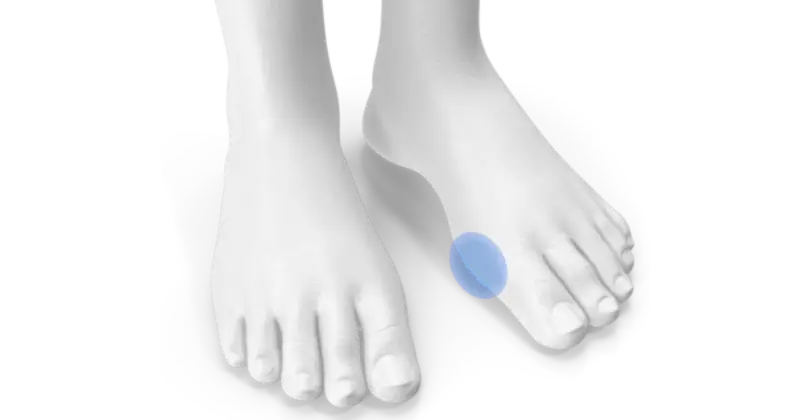
Hallux valgus is a foot deformity that causes the big toe to veer toward the other toes. Instead of pointing straight forward, over time, the big toe begins to veer toward the second toe, creating a protrusion on the inside of the foot. This deformity can cause pain, inflammation, and difficulty walking and can occur for a variety of reasons.
The first is certainly due to congenital factors. Some people are born with a predisposition to bunions due to the shape of their feet. In other cases, bunions may be the result of ongoing inflammatory processes. When suffering from conditions such as rheumatoid arthritis, the joints of the foot can become inflamed, favoring the development of bunions.
Finally, inward deviation of the big toe can be the result of trauma. Foot injuries, such as fractures or sprains, can alter the biomechanics of the foot and lead to hallux valgus.
Symptoms of Hallux Valgus: When the Foot "Protests"

The severity of symptoms depends on the degree of big toe deviation. In some cases, the deformity is mild and causes only mild discomfort, while in others it can be very severe and cause severe pain. The most common symptoms are pain at the base of the big toe, which can worsen with movement and wearing tight shoes, and swelling and redness in the area around the joint.
Furthermore, those with bunions may have difficulty walking. Inflammation of the big toe can make walking and performing normal daily activities particularly difficult.
Diagnosing Hallux Valgus: An In-Depth Analysis

The diagnosis of hallux valgus is based on a physical examination of the foot by a specialized physician. It's advisable to consult a specialist who can distinguish hallux valgus from other foot conditions that can cause similar symptoms, such as hallux rigidus or bursitis.
During the examination, the doctor will assess the appearance of the foot, the presence of any bony protrusions, and the mobility of the big toe. By observing the patient walking barefoot and noting the presence and distribution of hyperkeratosis (common calluses), the doctor can reach a diagnosis. If necessary, a weight-bearing X-ray of the foot may be taken to confirm the diagnosis and assess the severity of the deformity, deciding on the most appropriate treatment.
Treatment of hallux valgus: from conservative solutions to surgery

Treatment for hallux valgus depends on the severity of the condition. In less severe cases, conservative measures can be used to relieve pain and slow the progression of the deformity.
Wearing comfortable shoes with a wide toe box and low heels can help reduce pressure on the big toe. If necessary, using orthotics or braces can help support the foot and correct the deviation of the big toe.
Applying ice to the painful area can help reduce swelling and inflammation, but if that doesn't help, painkillers and anti-inflammatory medications can be used to relieve the pain.
In more severe cases, when conservative treatments are ineffective, surgery may be necessary. There are various types of bunion surgery, which aim to correct the deformity and restore the normal anatomy of the foot. As with any surgical procedure, bunion surgery carries risks and benefits. It's important to discuss the issue thoroughly with your doctor to determine the best solution for your needs. It's important to remember that bunions tend to worsen and, if left untreated, can lead to complications over time.
The choice of the most appropriate surgical technique depends on the specific characteristics of the patient and the severity of the deformity.
There are several surgical techniques to treat this condition:
- Osteotomy – It consists of removing a small portion of bone to correct the position of the big toe and restore its alignment.
- Arthrodesis – Fusion of the big toe joint, which blocks the movement of the joint to eliminate pain.
- Prosthetic implant – The big toe joint is replaced with a prosthesis to restore its functionality.
After surgery, it is essential to follow a rehabilitation program to regain full foot function. Rehabilitation may include range-of-motion exercises, muscle strengthening, and gait training. It is important to carefully follow the instructions of your doctor and physical therapist to achieve the best possible results.
Bunion Prevention: Better Safe Than Sorry
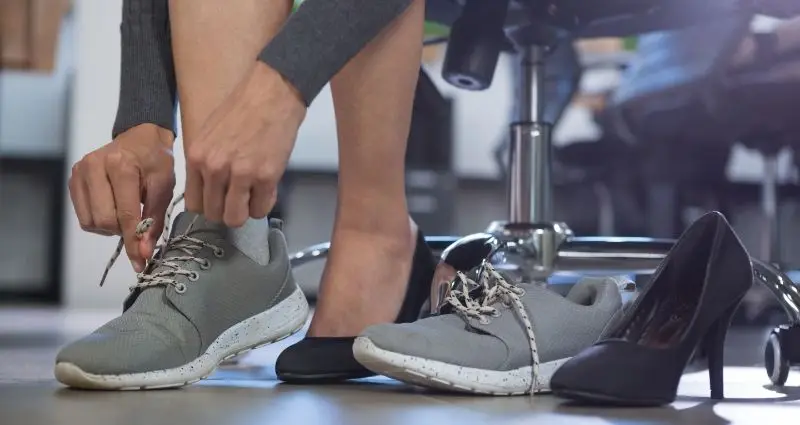
While it's not always possible to prevent bunions, there are some things you can do to help reduce your risk of developing this condition:
- Choosing the right footwear: Wearing comfortable shoes, with a wide toe and low heel, is essential for foot health.
- Maintain a healthy body weight: Overweight and obesity can increase the load on the foot and promote the development of hallux valgus.
SmartHallux and hallux valgus: an innovative approach

Dr. Luigi Manzi is an expert in the treatment of hallux valgus and has developed an innovative technique called SmartHallux . This minimally invasive surgical technique allows for the correction of the deformity with a less traumatic procedure and a quicker recovery than traditional techniques.
Hallux valgus is a common condition that can cause pain and limit foot function. However, there are several treatment options, from conservative solutions to surgery. SmartHallux offers a quick and painless surgical procedure for the treatment of hallux valgus and all foot and ankle conditions.
Book a video consultation with Dr. Luigi Manzi now and find out how SmartHallux can help you solve your bunions.