
Heel Pain: How to Sleep to Relieve Pain and Promote Healing
Sleeping well when you suffer from heel pain can seem impossible. Every position becomes a compromise, and that heel pain that occurs during the day...
By Dr. Luigi ManziUpdated on
Sleeping well when you suffer from heel pain can seem impossible. Every position becomes a compromise, and that heel pain that can be managed during the day becomes more acute, bothersome, and sometimes even debilitating at night. But there are concrete solutions to improve your sleep and promote healing.
What is heel pain and why does it get worse at night?

Heel pain is an inflammation localized in the back or lower area of the heel, often linked to mechanical overload , poor posture, ill-fitting shoes , or conditions such as plantar fasciitis . At night, lack of movement and prolonged standing can accentuate the sensation of tension and pain.
The best sleeping positions for heel pain

There is no “perfect” position that works for everyone, but a few options help reduce pressure on the heel :
- Supine (backside): This is often the most recommended position. Placing a soft pillow under your heels can relieve direct pressure.
- SideIf you prefer to sleep on your side, try to avoid letting your heel rest directly on the mattress. Use a support between your knees and a small riser under your ankle.
- Properties (stomach down): This is generally not recommended, as it tends to force the ankle into extension and can increase irritation.
Useful supports and accessories
Using ergonomic heel cushions or ankle supports can really make a difference. A mattress that's too soft can also aggravate the problem: it's better to opt for a firm, well-balanced support.
Additionally, keeping your legs slightly elevated with a pillow under your calves can promote venous return and reduce any swelling.
Habits to improve sleep (even with pain)

Besides location, environment and habits also matter:
- Keep the room at one cool temperature
- Evita pillows too high that alter posture
- Do some light stretching exercise before you go to bed
- Apply ice or cold packs in the evening, if indicated
- Wear comfortable, orthopedic shoes during the day to reduce residual nighttime stress
Drugs and complementary therapies
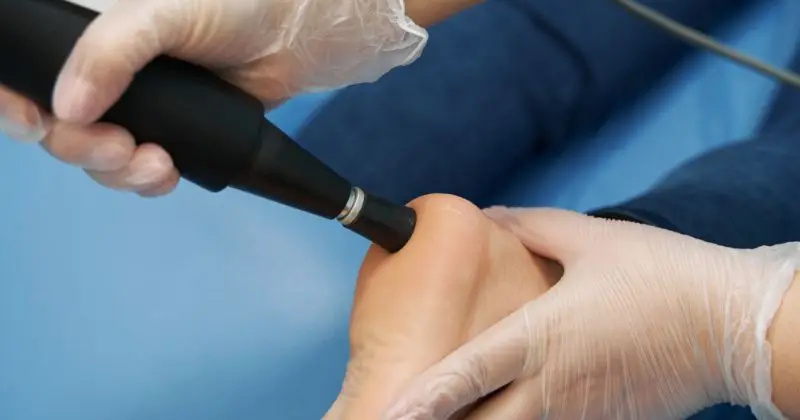
In more severe cases, you can resort to:
- Over-the-counter anti-inflammatories
- Infiltrations (in chronic or recurrent cases)
- Physiotherapy targeted or treatments with shock waves
- Custom orthoses to relieve the heel
Remember: the most effective remedy for heel pain is always the one that is tailored to your needs, based on the cause and severity of the condition.
SmartHallux: When to see a specialist?

Heel pain can compromise your night's sleep, but there are concrete strategies and solutions to help you sleep better and speed up recovery. From posture, to the right supports, to targeted treatments, it's possible to regain sleep... and well-being.
The SmartHallux team treats conditions such as hallux valgus , Morton's neuroma , and other deformities that cause foot pain. Providing comprehensive support throughout the treatment process, SmartHallux can be a winning choice for effective treatment tailored to your needs. Book your specialist consultation with the SmartHallux team now (opens in a new tab).
FAQ
What is the best sleeping position for heel pain?
Lie on your back, with a pillow under your heels. The important thing is to reduce direct pressure.
How long does it take to heal?
From a few weeks to a few months, depending on the cause and treatment.
Are there any effective home remedies?
Yes: ice, stretching, orthopedic shoes, rest, and over-the-counter medications. But they're not always enough.