
Shockwave therapy for plantar fasciitis: an effective, non-invasive treatment
Shockwave therapy for plantar fasciitis is a non-invasive treatment that stimulates tissue healing. How it works, when it is used and what to expect.
By Dr. Luigi ManziUpdated on
Plantar fasciitis is one of the most common causes of heel pain, a discomfort that can become debilitating if left untreated. Among the most innovative and least invasive treatment options, shockwave therapy for plantar fasciitis is proving to be an effective solution for relieving pain and promoting healing.
But what does this treatment consist of? And who is it recommended for?
What is plantar fasciitis?
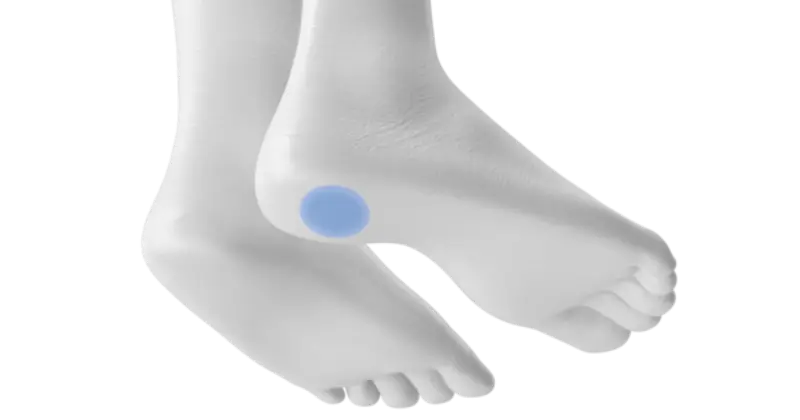
Plantar fasciitis is an inflammation of the plantar fascia , the ligament that connects the heel to the toes and supports the arch of the foot. When subjected to repeated stress, this structure can become irritated, causing severe pain in the heel area and along the sole of the foot.
Common causes
- High-impact activities (running, sports)
- Overweight or obesity
- Inappropriate shoes
- Flat or hollow foot
- Long periods of standing
Main symptoms
The most common symptom is heel pain , which is worse in the morning or after prolonged sitting. It can radiate toward the arch of the foot, accompanied by stiffness and discomfort when pressed.
What are shockwaves for plantar fasciitis?
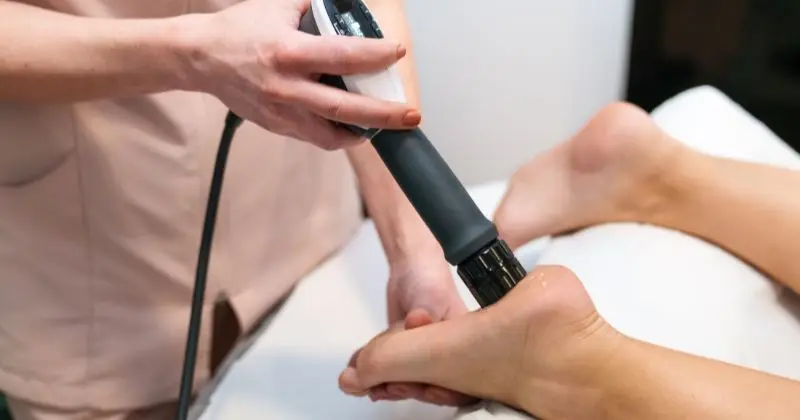
Shockwaves are high-energy sound pulses , similar to those used to break up kidney stones. In orthopedics, they are used to stimulate tissue regeneration and reduce inflammation.
How do they work on plantar fasciitis?
- They stimulate microcirculation in the inflamed area
- They promote cell repair
- They reduce nerve sensitivity to pain
- They speed up recovery times
This therapy is also particularly useful in the presence of heel spurs , a calcification often associated with fasciitis.
Benefits of shock wave treatment

- It does not require surgery
- No anesthesia
- Short outpatient sessions
- Progressive improvement of symptoms
- Minimal side effects
What to expect from treatment?
A session lasts about 15-20 minutes. Typically, 3-5 sessions are required , spaced a week apart. Improvements are noticeable after the first few applications, with optimal results within 4-6 weeks.
During the session, you may feel some slight discomfort, but most patients tolerate it well.
Risks and side effects
Shockwaves are safe, but like any treatment, they can cause mild and temporary side effects:
- Local redness or swelling
- Tingling sensation
- Transient pain after the session
They are not indicated for patients with coagulation disorders, local infections or pregnant women.
Shockwaves vs. other treatments
| Treatment | Invasiveness | Recovery | Effectiveness |
| Shock waves | ❌ Non-invasive | ✅ Fast | ✅ High |
| Physiotherapy | ❌ Non-invasive | ✅ Gradual | ✅ Good |
| Cortisone injections | ✅ Invasive | ⚠️ Temporary | ⚠️ Risk of relapse |
| Surgery | ✅ Invasive | ❌ Long | ✅ In severe cases |
Costs and coverage
Shockwave treatment costs vary depending on the center and the number of sessions. Some health insurance plans may partially cover the treatment; it's advisable to inquire in advance.
SmartHallux: The right solution for you?

Shockwave therapy for plantar fasciitis is currently one of the most effective and least invasive treatments. If you're living with heel pain and traditional therapies haven't worked, it might be time to try this alternative.
The SmartHallux team, led by Dr. Luigi Manzi, treats conditions such as hallux valgus , Morton's neuroma , and other deformities that cause foot pain. Providing comprehensive support throughout the treatment process, SmartHallux can be a winning choice for effective treatment tailored to your needs. Book your specialist consultation with the SmartHallux team now (opens in a new tab).
FAQ
Are shock waves painful?
Most patients experience only mild discomfort, which is easily tolerated.
How many sessions are needed?
Generally between 3 and 5 sessions to obtain significant results.
Can I exercise after treatment?
Relative rest is recommended in the following days, avoiding intense efforts.
When will you see results?
Improvement may begin after the second session, with benefits evident within a month.