
Surgery for hollow foot
Surgery for hollow foot (pes cavus) is considered when insoles and physiotherapy no longer help. The types of operation and the possible complications.
By Dr. Luigi ManziUpdated on
Among the lesser-known, but highly debilitating, foot pathologies is certainly the hollow foot.
This pathology presents itself as a more or less acute pain that affects the entire sole of the foot, from the heel to the front.
The pain and inflammation typical of high arches seriously compromise foot stability, as well as overall body balance. If left untreated and not treated properly, high arches can make life particularly difficult for those who suffer from them.
Where conservative treatments fail to meet expectations, it is often considered appropriate to resort to surgery.
In this article, we will discover together what types of surgery there are for cavus foot , when it is necessary, and the possible complications.
Hollow foot: symptoms and complications
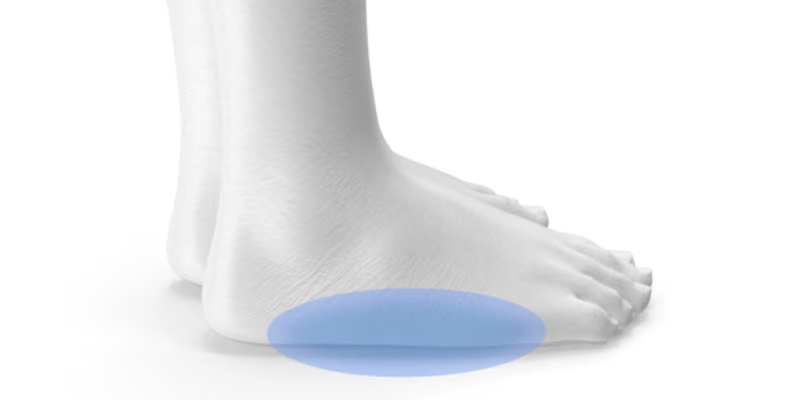
A hollow foot is caused by a malformation of the plantar arch which is more arched than normal.
This malformation, which can be congenital or caused by trauma or neurological problems, does not allow the normal and balanced distribution of body weight on the sole of the foot.
This imperfection, which affects the sole of the foot, not only compromises walking and balance , but also increases the risk of sprained ankles, as well as the development of lesions and calluses. Indeed, by failing to adequately distribute body weight across the entire sole of the foot, the weight will place stress on specific areas , such as the heel or metatarsals, which will inevitably be subject to stress and the development of calluses.
These symptoms alone are debilitating and problematic enough. If left untreated and not treated properly, the condition could worsen and lead to long-term problems, such as permanent deformities and chronic arthritis.
If the situation appears to be unable to be resolved with conservative therapy, specialists in the field may also recommend resorting to surgery.
When is surgery needed?
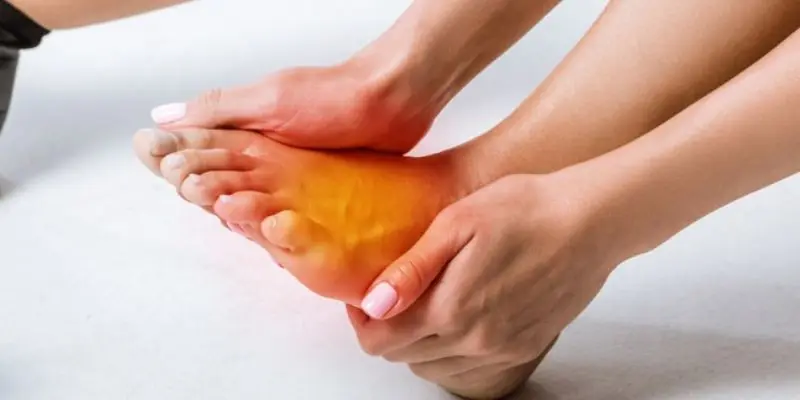
Surgery is almost never the first choice when it comes to treating a hollow foot.
In fact, in less serious cases and if diagnosed early, hollow foot can be treated with conservative treatments.
However, when the severity of the pathology is too high or if it has been underestimated and the pain and complications have now compromised the mobility of the foot, surgery may be the only possible solution.
If left untreated, a high arch can seriously compromise the quality of life of those who suffer from it. The pain can become so unbearable that it prevents normal mobility of the foot and other areas.
The arch deformity may worsen to the point where the sufferer cannot wear normal shoes. Depending on the severity of the high arch, it may also contribute to deformity in other parts of the foot, such as the toes, which may curl (claw toes), or cause the foot to pronate (roll inward or outward).
These problems contribute to making the life of those affected by cavus foot severely limited and difficult, and it is precisely in these cases that surgery appears to be the only plausible option.
The different types of surgical intervention for the hollow foot
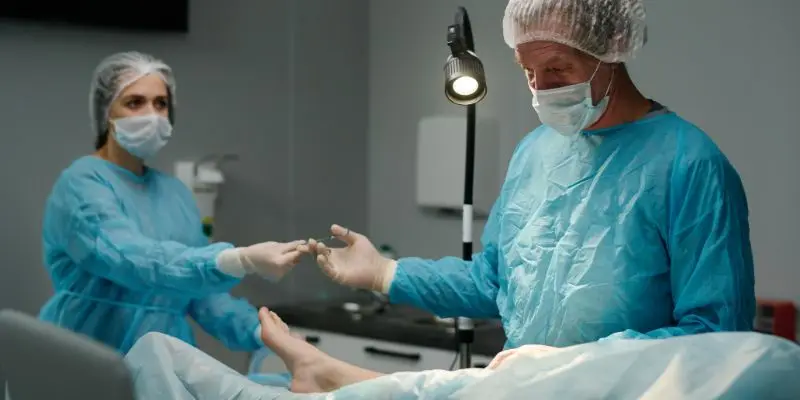
After consulting a specialist, obtaining a precise diagnosis, and evaluating all the alternatives, you should also know that, if you have decided to opt for surgery, there are different types of intervention for cavus foot.
To choose the type of surgery to undergo, it is necessary to consider not only the severity of the hollow foot, but also the patient's expectations and conditions.
Let's now list the most common and well-known types of surgical intervention for the hollow foot.
The osteotomy
This is one of the most common and well-known operations in cavus foot surgery. An osteotomy involves correcting the arch of the foot through an incision.
By restoring the arch of the foot to its normal curvature, all structural and weight-balancing problems will be resolved.
As a surgical procedure, osteotomy is quite invasive, but valid and effective.
Tendon transfer
A little less common, but equally functional is the tendon transfer.
As the name suggests, this procedure involves transferring healthy tendons to the injured area, restoring motor function and restoring strength to the foot . This procedure also involves repositioning the nonfunctioning tendons elsewhere on the foot, again to support the arch.
Like osteotomy, this type of surgery is quite invasive, but equally functional.
Plantar fascia relaxation
High arches place particular stress on the sole of the foot, as they do not allow the correct distribution of body weight on the plantar fascia.
Precisely for this reason, in cases where the hollow foot has also compromised the plantar fascia, resorting to this type of surgery may be useful.
Plantar fascia relaxation , in fact, involves reducing tension on the sole of the foot by acting on the plantar fascia itself. This will not only reduce tension in the plantar tissue but will also help relieve pain.
Joint fusion
Also called arthrodesis, joint fusion involves the fusing of some bones in the foot to stabilize the structure.
This fusion, using screws and plates, has the primary purpose of correctly fixing the bones. This will restore the correct structure of the foot and significantly reduce pain.
The risks and complications of surgery

The risks and post-operative complications can be alarming for anyone considering surgery.
In reality, however, it is useful to know that risks and complications are inherent to all surgical operations.
What is important to know is that risks and complications can be both prevented and resolved.
Infections or bleeding are risks that can be safely managed with care and the help of a specialist. Post-operative recovery, in fact, involves a personalized rehabilitation program supervised by a specialist or team who monitors the recovery process step by step.
Other complications may include recurrence of the problem or other bone or tissue problems, all of which may require further surgery.
For all these reasons, it's important to reiterate the importance of relying on specialists who are ready to provide comprehensive care for both the surgery and the patient's rehabilitation. Only with competent and reliable guidance can you ensure not only that you choose and undergo the most appropriate procedure, but also that you can optimally navigate the post-operative period and return to normal life as quickly as possible.
SmartHallux: The specialists for your hollow foot surgery

Choosing a doctor, or a team of specialists, who can support us from the choice of surgery to the post-operative period is therefore essential.
SmartHallux is a leader in this field. Its team of specialists, dedicated to treating foot and ankle conditions, uses the most cutting-edge techniques and practices, all under the guidance of Dr. Luigi Manzi , an internationally renowned surgeon.
One of SmartHallux's strengths, beyond its extreme expertise and professionalism, is the utmost care for its patients, thanks above all to the personalized programs studied and designed for each type of patient.
From choosing the right treatment plan to the post-operative period, SmartHallux specialists are available to meet their patients' every need and expectation, always guaranteeing maximum commitment.
Book your SmartHallux visit

We have seen how a pathology such as hollow foot can degenerate and seriously compromise the quality of life.
Stop underestimating the health of your feet and start taking care of them.
Request a SmartHallux visit . Just click here and choose how, where, and when to have your visit.
Preserve the health of your feet, choose SmartHallux.