
Erosive Osteoarthritis: When the Joint "Wears Away"
Erosive osteoarthritis is an inflammatory form of osteoarthritis that erodes joint surfaces, mostly in the hands and feet. The symptoms and how it is treated.
By Dr. Luigi ManziUpdated on
Have you ever heard this term from your doctor and been a little confused? It happens often. Erosive arthritis isn't exactly the classic type you usually hear about—the kind that, for example, affects grandma's knees after years of climbing stairs.
No, this one's different. It's more aggressive, more… annoying, let's say. And when it affects the foot? Well, then walking becomes a really serious problem.
The other day, a patient came to me and said, "Doctor, it's like I have little stones in my joint." This description stuck with me because it captures the feeling so well.
But what exactly does “erosive osteoarthritis” mean?
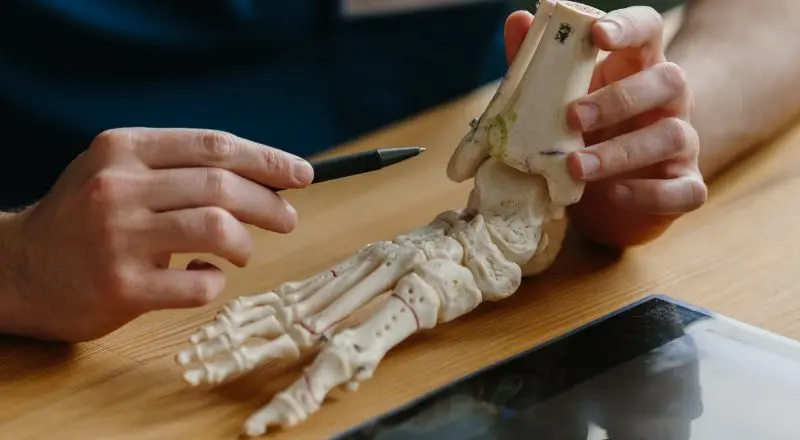
So, let's start with the basics. Normal osteoarthritis—the kind we're all familiar with—is when the cartilage in the joint gradually wears away. Think of cartilage as the smooth lining that allows bones to slide over each other without friction.
In erosive osteoarthritis, however, something more dramatic happens. Not only does the cartilage wear away, but actual erosions—holes—form in the underlying bone. It's as if the joint is literally being hollowed out from the inside.
See why patients often tell me the pain is different? More intense, more localized. And above all, more disabling in daily activities.
Why does this happen?

Now, this is the million-dollar question. Truth be told, the causes of erosive osteoarthritis symptoms are multifactorial—excuse the technical term, but in this case it's appropriate.
First of all, there's a genetic component. Some of us are actually "programmed" to develop this type of problem. It's not our fault, it's just how we are made. Besides, if you look at your family and see that grandpa, dad, and uncle all have joint problems...
Then there are the traumas. That nasty injury from twenty years ago that you thought was completely healed? Well, maybe it left its mark. The joint "remembers" and years later it can take its toll.
Body weight definitely matters. I don't want to preach, but carrying extra pounds around for years means putting your joints under constant stress. It's pure physics: more weight, more pressure, more wear and tear.
And then there's work. Certain professions are truly inimical to joints. I'm thinking of bricklayers, professional athletes, anyone who stands all day on hard surfaces.
The Signs You Can't Ignore
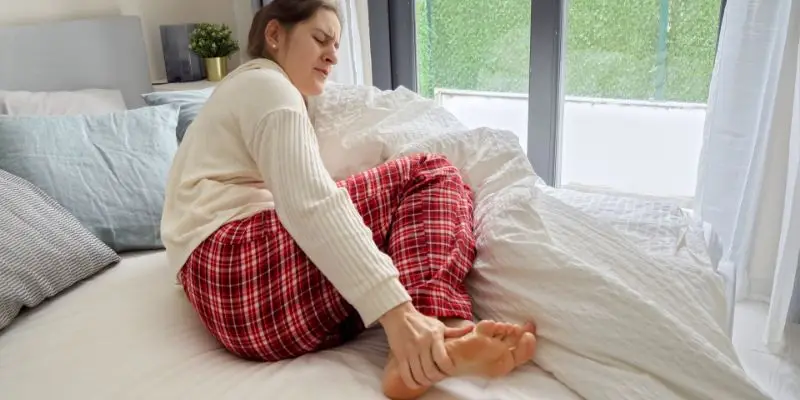
Pain is the first warning sign, of course. But it's not just any pain. It's the kind my patients describe as "deep," which worsens with activity and makes you say, "Oh my God, I can't put my foot down."
Morning stiffness is typical. You get out of bed, and for the first few steps, the joint feels like it's rusted. Then, little by little, it warms up and feels a little better. But only a little.
Swelling may or may not be present. It depends largely on the degree of inflammation at the time. What is almost always present is some limitation in movement. You can no longer do certain things you used to do without thinking.
Crepitus—that grit-like sound when you move the joint—is another characteristic sign. Some patients tell me, "Doctor, I hear it creaking." That's the sound of the damaged joint surfaces rubbing together.
How do we arrive at the diagnosis?

When a patient comes into my office with these symptoms, the first thing I do is listen. Really. The story they tell me often tells me so much.
Then comes the physical exam. I look at how he walks, how he places his foot, where he feels pain when I press down. I check his movements, stability, and any deformities.
But the definitive diagnosis is made with X-rays. They show everything: bone erosions, joint space narrowing, osteophytes (those bone "spines" that form at the edges of the joint). It's like a map of the damage that has occurred over time.
Sometimes an MRI is also necessary, especially to assess the condition of the surrounding soft tissue. But in most cases, a good X-ray is more than enough to understand what we're dealing with.
What can we do to treat erosive osteoarthritis?

Now we come to the crux of the matter. Unfortunately, there's no magic wand that will restore your joint to as good as new. Erosive arthritis is an irreversible process. But that doesn't mean we should give up!
Conservative treatment is always the first approach. Anti-inflammatory medications control pain and swelling, and physical therapy maintains mobility and strengthens surrounding muscles. Never underestimate physical therapy—a good therapist can work miracles.
Cortisone injections can provide temporary relief, especially during flare-ups. They're not a permanent solution, but when the pain is truly unbearable, they can be very helpful.
For the foot and ankle, I often recommend custom orthotics. They help redistribute the load and reduce stress on the damaged joint. It's amazing how a well-made orthotic can improve your quality of life.
When the pain becomes disabling and conservative therapy no longer works, surgery is considered. In the foot, this often involves arthrodesis—that is, "locking" the joint in a functional position. It may seem drastic, but I assure you, many patients return to walking without pain.
What to expect over time?

Erosive osteoarthritis is a progressive disease. This means it tends to worsen over time. But be careful: it doesn't necessarily progress linearly or rapidly.
I have patients who have been living with their erosive arthritis for years without any particular problems, managing everything with conservative therapy. Others, however, worsen more rapidly and require more aggressive interventions.
The secret? Don't wait until the pain becomes unbearable. The sooner you intervene, the better. The damaged joint needs to be "pampered," not abused.
Prevention: something can be done

Obviously, if you have a genetic predisposition, there's not much you can do about it. But there are other factors you can do about it.
Maintaining a healthy body weight is essential. I know, it's easier said than done, but it really does make a difference. Every pound lost means less pressure on your joints.
Regular physical activity—the right kind, not the kind that stresses your joints—helps keep your cartilage nourished and your muscles strong. Swimming is perfect, for example.
Avoid injuries whenever possible. Wear appropriate footwear, be careful on uneven terrain, and don't overdo high-impact sports if you're not trained.
SmartHallux: Where we can help you

Dr. Luigi Manzi, who has gained specific experience in this field, follows each patient with a personalized path using the most modern techniques.
Our philosophy is to always seek the least invasive solution possible first, but when surgery is necessary, we do so with the most advanced and minimally invasive techniques available.
The SmartHallux team treats conditions such as hallux valgus , Morton's neuroma , and other deformities that cause foot pain. Providing comprehensive support throughout the treatment process, SmartHallux can be a winning choice for effective treatment tailored to your needs. Book your specialist consultation with the SmartHallux team now (opens in a new tab).
FAQ
Doctor, is erosive osteoarthritis the same as arthritis?
No, they're different things. Arthritis is an inflammation of the joint that can have many different causes—infections, autoimmune diseases, trauma. Erosive osteoarthritis, on the other hand, is a specific form of joint degeneration where erosions form in the bone.
Can I continue to play sports?
It depends a lot on the type of sport and the degree of joint damage. Sports like swimming or cycling are usually fine. High-impact sports like running or soccer... well, it's best to discuss them together and evaluate your specific case.
Is it true that over time I might not be able to walk again?
Not necessarily. With proper treatment and regular checkups, most patients maintain a good quality of life. In more severe cases, surgery can resolve the pain and restore function.
My dad has it, are you sure it will come to me too?
There's a genetic component, but it doesn't necessarily mean it will manifest itself. And yet, by knowing the risk, you can adopt all the preventative strategies to reduce the likelihood or at least delay its onset.