
Cavus foot and locked ankle: what those everyday discomforts really mean
A cavus (high-arched) foot can stiffen the ankle and make it feel locked, with instability and awkward gait. Why they occur together and how they are treated.
By Dr. Luigi ManziUpdated on
Do you have trouble walking naturally, feel stiff in your foot, or feel instability in your ankle, as if it's "locked"? You may be dealing with a high arch and a locked ankle, a condition more common than you think, often diagnosed only when symptoms appear.
The good news? With proper treatment, you can move around again with confidence. Let's find out what it is and when it's best to see a specialist.
What is a hollow foot?
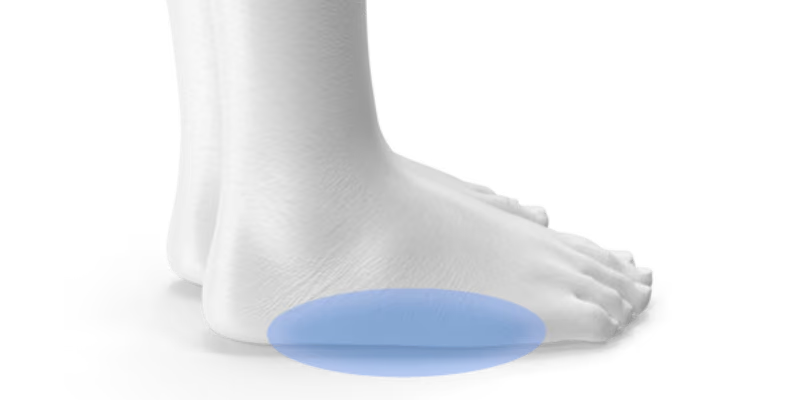
High arch foot is a deformity of the foot's arch : the arch of the foot is excessively raised compared to normal. This causes an altered support, more concentrated on the heel and toes, resulting in instability and an increased risk of pain or injury.
There can be many causes: genetic factors, neurological diseases , past trauma, muscular or rheumatic disorders. There are idiopathic forms (without a clear cause) as well as more complex forms, such as neurological or post-traumatic cavus foot.
Symptoms: How does it manifest itself?

Hollow foot can remain silent for years, but it often makes itself felt through very specific signs:
- pain in the bottom of the foot, especially under the toes (metatarsals),
- swelling, stiffness, or a feeling of tiredness in the legs,
- formation of calluses and corns in the anomalous support points,
- instability and sensation of “giving way” of the foot while walking,
- finger deformities like hammer toes or claw toes.
In some cases, it can also lead to a locked or stiff ankle, a condition that can limit movement and negatively affect balance.
When the ankle locks

A locked ankle can be caused by an alteration in joint mechanics due to a high arch. Stiffness can result from chronic inflammation, poorly healed trauma, tendon injuries , osteoarthritis , or the presence of foreign bodies in the joint.
The blockage may present itself as a limitation of movement , a sensation of internal friction, or actual stiffness, especially in the morning or after long periods of inactivity.
How to diagnose cavus foot (and ankle blocks)

The diagnosis is based on a thorough clinical examination , supported by:
- radiographic examinations,
- foot and ankle ultrasound,
- in some cases, neurological examinations, especially if a central cause is suspected.
The doctor evaluates the shape of the foot, load distribution, condition of the tendons and degree of flexibility of the joint.
Treatment: what can be done?
Depending on the severity, treatment can be conservative or surgical. We always start with the least invasive options:
- comfortable, well-cushioned shoes,
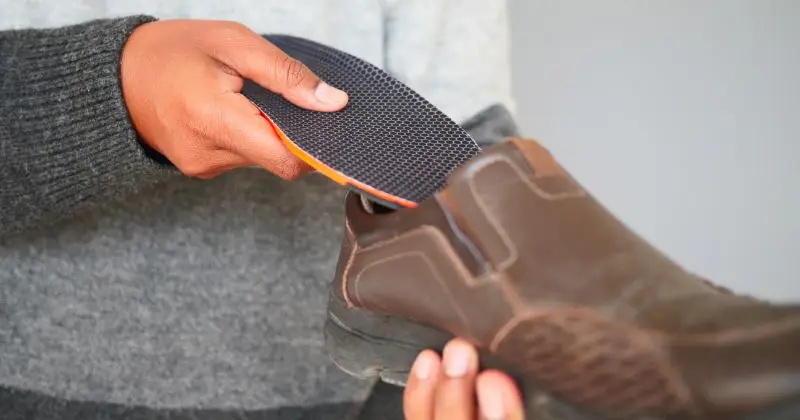
- custom insoles to redistribute the load,
- stretching and strengthening exercises,
- postural and neuromuscular physiotherapy,
- injections of anti-inflammatory drugs, in the most acute inflammatory cases.
When the pes cavus is severe or causes a chronically locked ankle, surgery is considered . Procedures can involve both the bone (corrective osteotomies) and the tendons (transpositions or lengthenings) and are customized based on the patient's age and activity.
SmartHallux: The role of a specialist makes the difference

Dr. Luigi Manzi , an orthopedic surgeon specializing in foot and ankle surgery, has extensive experience treating pes cavus, even in complex cases. With the support of SmartHallux, he offers a comprehensive approach: advanced diagnosis, personalized conservative therapies, and minimally invasive surgery when necessary.
The SmartHallux team treats conditions such as hallux valgus , Morton's neuroma , and other deformities that cause foot pain. Providing comprehensive support throughout the treatment process, SmartHallux can be a winning choice for effective treatment tailored to your needs. Book your specialist consultation with the SmartHallux team now (opens in a new tab).