
Hollow foot: a focus on the pathology
Hollow foot, or cavus foot, is a high-arched foot that is less well known than flat feet. What causes it, the symptoms it brings and how it is treated.
By Dr. Luigi ManziUpdated on
Less well-known and understood than flat foot, hollow foot is a debilitating pathology that affects humans equally.
Since it is less well known, it is important to know the symptoms and causes of hollow foot , so as to be able to recognize the problem and intervene as soon as possible.
In this post, therefore, we will delve into what a hollow foot is , what its symptoms and causes are, as well as the importance of an early diagnosis.
Hollow foot: what is it?
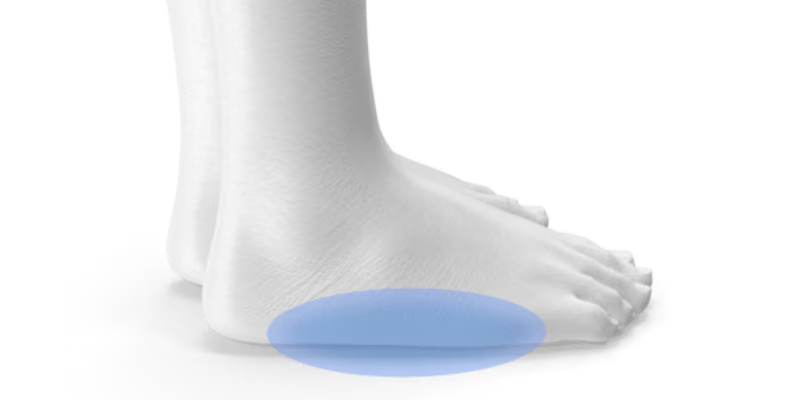
Unlike flat feet, hollow feet are characterized by a higher arch than normal.
A standard, healthy arch is capable of distributing body weight evenly. A high-arched foot , on the other hand, due to its more arched shape, is unable to distribute body weight evenly , thus concentrating most of the weight on the heel or the ball of the foot.
Sometimes, a high arch can be visible to the naked eye , as the foot has a higher arch than average . It may also present other changes, such as a tendency for the foot to curve outward or inward and the presence of arched or claw-like toes.
As mentioned, if not properly treated, high arch foot can be particularly bothersome and debilitating. Not only can it compromise walking and posture, but in some cases, it can affect both feet.
Signs and symptoms of hollow foot
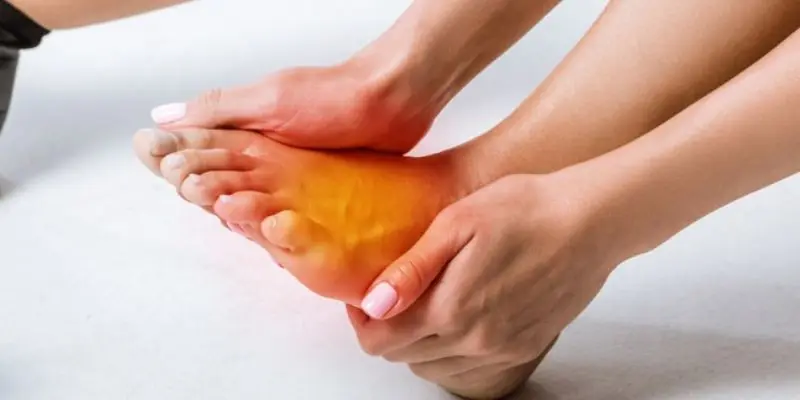
How to recognize the symptoms of hollow foot?
When this pathology is not visible to the naked eye, with an excessively arched foot, claw-like toes, or a foot that protrudes inward or outward, it is important to know the symptoms that may indicate the presence or development of a hollow foot.
Depending on the stage and severity of the disease , there are various symptoms that may indicate that a person has a hollow foot.
Let's see, then, what are the most common symptoms that can lead to the suspicion of the presence of a hollow foot.
Among the most common symptoms are:
- Obvious deformity of the fingersAs mentioned above, a hollow foot has claw-like toes; this deformity isn't an end in itself, but rather, in addition to causing additional pain that adds to the pain in the arch of the foot, it contributes to further complications that affect balance and body weight distribution.
- Difficulty walkingFor obvious reasons, a particularly high and arched foot makes normal walking difficult; the foot, in fact, cannot rest on the ground as it should, and this, in addition to affecting posture, also creates a real risk of suffering an ankle sprain.
- Diffuse foot painPeople with high arches often feel pain across the entire sole of their foot due to poor weight distribution. With a high arch, body weight is distributed primarily on the heel or ball of the foot, which contributes to stress and inflammation of these areas.
- Formation of calluses: given the incorrect distribution of weight, stressed areas such as the heel and the ball of the foot can be prone to the formation of calluses or corns; these areas, in fact, are subjected to excessive stress due to the poorly distributed weight load.
Causes of hollow foot

Like most pathologies affecting the feet and ankles, high arches can also be caused by acquired or congenital causes.
Mainly due to congenital deformities of the foot , the causes of pes cavus must be sought and associated with neurological conditions, guilty of influencing the bone structure and the regular muscular functioning of the foot.
Among the most well-known and common causes, therefore, it is worth listing the following:
- Genetic factorsUnfortunately, some people are born with a genetic predisposition to developing foot conditions. Those born with a predisposition to developing a high arch, for example, may develop a high arch in childhood or adulthood.
- Neurological diseasesSome diseases, such as polio and other conditions, can weaken the foot muscles, making the resulting deformity irreversible. By their very definition, neurological diseases affect muscles and nerves, preventing them from functioning optimally, thus contributing to arch deformity.
- Muscle disordersAll pathologies or problems that affect the muscles affect their normal function and mobility; this contributes to deforming the physiognomy of the foot, affecting the arch of the foot.
- The traumas: as with any part of the body, traumas that can affect the feet, more or less serious, inevitably lead to an alteration of the structure of the foot, which could also affect the arch of the foot.
It's also worth considering the common acquired causes of high arches, such as wearing uncomfortable footwear , excessive and unhealthy weight, and poor posture . All of these stress the foot, contributing to the development of pathologies and deformities like high arches.
Diagnosing cavus foot
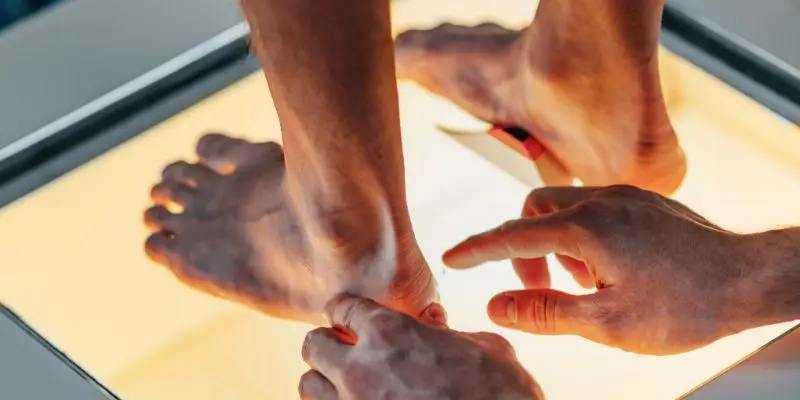
To resolve the problem as soon as possible and avoid being inevitably affected by the hollow foot , it will be necessary to obtain an early and precise diagnosis.
But how to diagnose hollow foot?
First of all it is essential to contact a specialist , a podiatrist or an orthopedist.
After choosing who to contact, the doctor will proceed with the diagnostic test which follows several steps.
The doctor will initially perform a thorough physical examination to assess the symptoms and mobility of the foot and to determine how much the condition has already affected the foot's function. He or she will then examine the patient's medical history , including any previous medical conditions and general health.
We will then proceed with a more in-depth study of the pathology, using ultrasounds , X-rays , and MRIs , to obtain concrete evidence of the type and stage of the disease. It is important, in fact, to be able to diagnose and have a precise and reliable diagnosis, ruling out other pathologies, to best treat the hollow foot.
Obtaining an accurate and timely diagnosis, especially when specific symptoms and disabling pain are present, is essential to deciding how to treat the condition and achieve a speedy recovery.
SmartHallux: the specialists in foot and ankle pathologies

If you are looking for a valid ally in fighting hollow foot, SmartHallux is for you.
Thanks to its team of industry specialists, SmartHallux offers the utmost care and dedication to its patients. Under the guidance of Dr. Luigi Manzi , an internationally renowned surgeon, SmartHallux employs industry professionals who utilize the best technologies and cutting-edge surgical practices.
SmartHallux offers its patients the utmost care, studying and designing targeted and personalized therapeutic paths to resolve any foot and ankle pathology.
Book a SmartHallux visit

We've already explained why a correct and timely diagnosis is the foundation for starting to treat foot pathologies.
SmartHallux is equally helpful in this regard. Thanks to its quick and intuitive booking method, you can decide from the comfort of your home when, where, and how to make your first visit.
Simply click here and follow the procedure to book your first SmartHallux appointment and start taking care of the health of your feet and ankles.