
Plantar arches: anatomy, function and pathologies
The arches of the foot, medial, lateral and transverse, absorb shock and keep you balanced. Their anatomy, function and what happens when they drop or rise.
By Dr. Luigi ManziUpdated on
Do your feet hurt when you walk for a long time or stand for too long? It could be a problem with your arches , which are essential for balance and foot health. When they don't function properly—because they're too low, too stiff, or poorly supported—they can cause numerous ailments, from ball of the foot pain to more complex joint problems.
Let's see what foot arches are, why they are so important, and what to do when they don't work as they should.
What are foot arches?
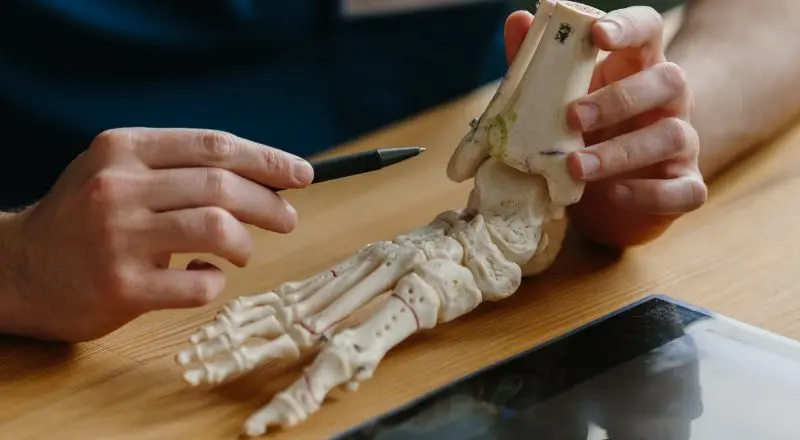
The arches are the curvatures present in the lower part of the foot, fundamental for:
- Cushion the impact with the ground
- Distribute your body weight
- Promote propulsion while walking
- Maintaining balance
Anatomically, three main types can be distinguished:
- Medial longitudinal arch: from the heel to the big toe, it is the most obvious and important
- Transverse arch: at the base of the toes, distributes the lateral load
- Metatarsal arch: under the head of the metatarsals, contributes to the flexibility and stability of the forefoot
The main pathologies of the plantar arches

When one or more arches of the foot lose their physiological function, numerous painful conditions can develop, including:
- Flatfoot: the arch collapses and the foot loses its natural curvature
- Hollow foot: the arch is excessively accentuated, generating instability
- Plantar fasciitis: inflammation of the fascia that supports the arch
- Heel spur: often resulting from fasciitis
- Hallux valgus e Morton's neuroma: also caused by incorrect load distribution
- Achilles tendonitis o ankle osteoarthritis, linked to postural imbalances caused by altered arches
Symptoms not to be underestimated
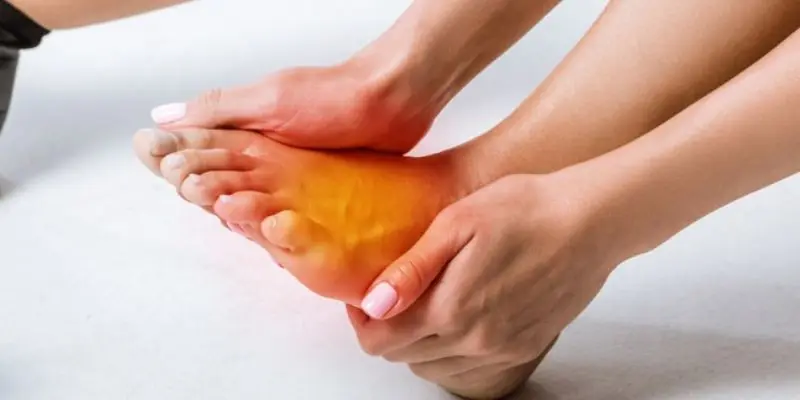
Pain in the soles of the feet , burning or tingling sensations , swelling, or early fatigue may be signs of an arch problem. Heel pain or chronic arch pain are also common symptoms that should be investigated by a specialist.
How are arch problems diagnosed?

The diagnostic process includes:
- Specialist orthopedic or physiatric visit
- Gait analysis or baropodometry
- X-rays or ultrasounds, if necessary
The doctor evaluates the shape of the arch, weight distribution and the possible presence of associated pathologies.
Available treatments
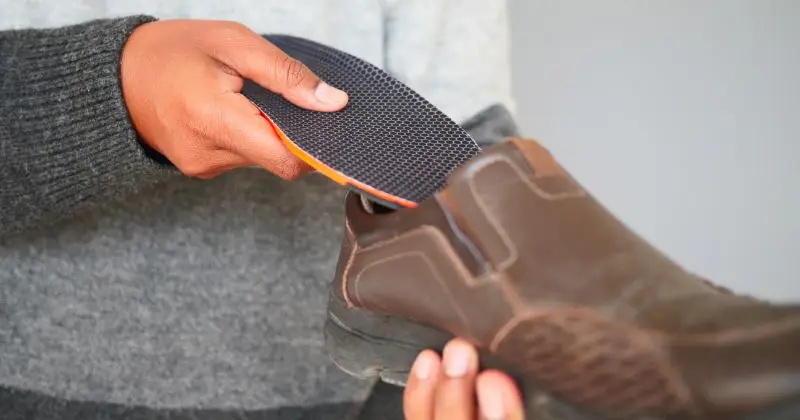
Treatment depends on the pathology identified, but may include:
- Custom-made insoles, to support the arch of the foot and reduce pain
- Physiotherapy and postural re-education
- Anti-inflammatory drugs in cases of acute pain
- Infiltrations or shock wave therapy in the most resistant cases
In more severe cases, surgery may be indicated to correct structural deformities.
How to take care of your arches
- Choose suitable footwear, with good support and cushioned soles
- Avoid high heels and shoes that are too tight
- Perform regular foot stretching exercises
- Maintain a healthy body weight
- If you feel pain, don't ignore it: early diagnosis makes the difference
SmartHallux: When to see a specialist?

Do you have arch pain or suspect a foot problem?
Book a visit with Dr. Luigi Manzi specialist who leads the team of SmartHallux.
The SmartHallux team treats conditions such as hallux valgus , Morton's neuroma , and other deformities that cause foot pain. Providing comprehensive support throughout the treatment process, SmartHallux can be a winning choice for effective treatment tailored to your needs. Book your specialist consultation with the SmartHallux team now (opens in a new tab).
FAQ
What are foot arches?
It is the natural curves of the sole of the foot that cushion body weight and ensure balance.
What happens if your foot arch is flat?
We're talking about flat feet. The foot loses its natural curvature, causing pain, fatigue, and mobility difficulties.
How are arch problems treated?
With customized insoles, physiotherapy, suitable shoes or – in the most serious cases – corrective surgery.