
Tendon calcification: how to recognize it and treat it before it gets worse
Mild pain that worsens with daily movement? It could be tendon calcification, a common but often overlooked problem.
By Dr. Luigi ManziUpdated on
A pain that starts slowly, perhaps only after a longer-than-usual walk or a workout at the gym. Then that annoying sensation begins to recur more frequently, even with the simplest of tasks: raising an arm, climbing stairs, standing for too long. If something like this has happened to you, you may be dealing with tendon calcification , a common yet overlooked condition.
Tendon calcification occurs when small calcium deposits form inside tendons, the "cords" that connect muscles and bones. Over time, these deposits can become inflamed, making every movement painful, stiff, and limited. The areas most affected? The shoulder, Achilles tendon , knee, hip, and elbow.
But why does this happen?
The causes are not always clear, but there are some factors that seem to have a significant influence:
Those who participate in high-impact sports, have had repetitive injuries, or perform physically demanding work are at greater risk. Conditions such as diabetes or arthritis can also contribute, as can the simple passage of time.
Pain is often the first sign. Initially, it may seem like a temporary nuisance, but it tends to become more severe, especially during movement or palpation. In more advanced cases, the tendon may feel swollen and warm to the touch, making it difficult to even move the affected joint.
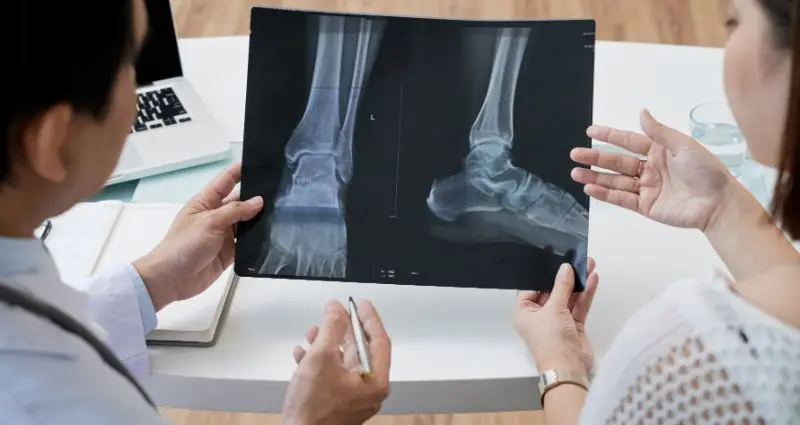
In these cases, the diagnosis is quite simple: a specialist visit, accompanied by an X-ray or ultrasound, allows the presence of calcifications to be clearly seen and their extent to be assessed.
What if the pain persists? Treatment options
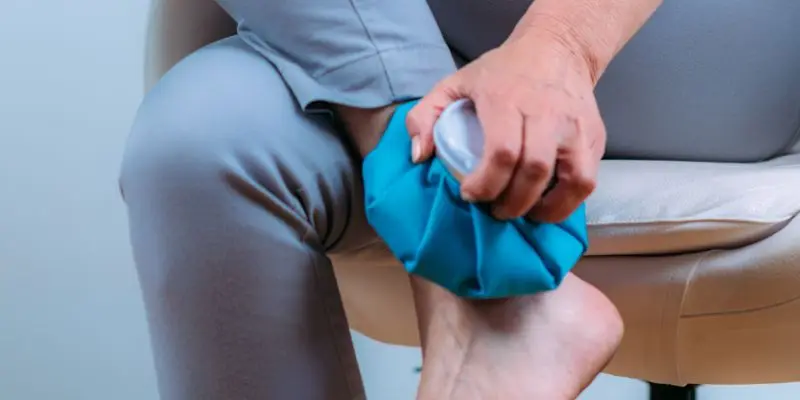
In most cases, surgery is not necessary. Conservative treatment works well and yields excellent results. Rest, ice application, and physical therapy are the first steps to take. If the discomfort persists, more targeted solutions can be considered, such as:
- Local injections to reduce inflammation
- Aspiration of the calcific deposit with needle
- Surgery, but only as a last option
Does prevention exist? Yes, and it works.
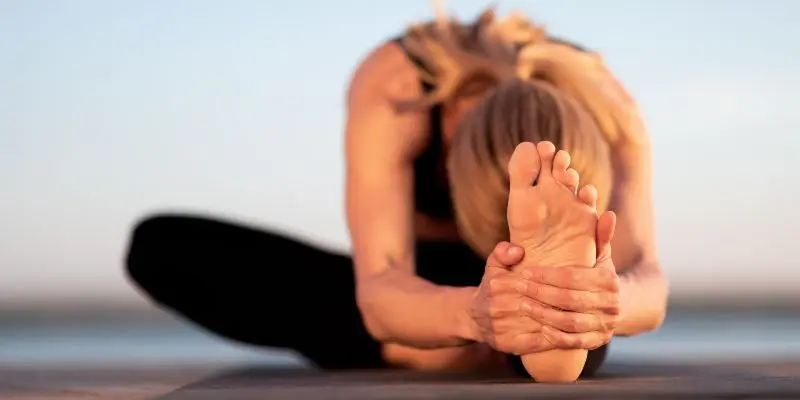
While it's not always possible to completely avoid it, you can significantly reduce the risk by adopting simple, consistent daily measures: warm up thoroughly before physical activity, avoid repetitive strain, and maintain proper posture during every movement. Regular, controlled movement, such as swimming, walking, or stretching, can be a valuable ally in maintaining elastic, strong, flexible, and healthy tendons.
SmartHallux: Don't wait for the pain to get worse

SmartHallux offers an innovative solution that combines advanced technologies and accurate diagnosis to provide personalized treatment for foot pain. Thanks to the expertise of a team of expert surgeons, led by Dr. Luigi Manzi, SmartHallux offers innovative treatments ranging from diagnosis to surgery, if necessary.
The team treats conditions such as hallux valgus , Morton's neuroma , and other deformities that cause foot pain. They provide comprehensive support throughout the treatment process, including post-operative recovery.
If you're experiencing pain in your Achilles tendon, shoulder, or ankle, don't ignore it. At SmartHallux , Dr. Luigi Manzi will guide you through a personalized diagnosis and treatment plan. In some cases, he even uses advanced therapies such as stem cells for tendon regeneration. Book your video consultation with Dr. Luigi Manzi now.
What is tendon calcification?
A buildup of calcium in a tendon, which can cause pain, inflammation, and limited movement.
What are the main causes of tendon calcification?
Repetitive trauma, intense sports, advanced age, diabetes and arthritis are the most common factors.
How to treat it tendon calcification?
Generally with conservative therapies: rest, ice, and physical therapy. In more serious cases, injections or minor surgeries are considered.