
Heel pain in children: how to recognize, treat, and prevent it
Heel pain in children is often Sever's disease, an irritation of the growth plate in the heel bone. How to recognize it and treat it.
By Dr. Luigi ManziUpdated on
Seeing a child limp, complain of heel pain, or avoid running as usual can raise alarm bells in any parent. One of the most common ailments in children is heel pain , an inflammation that, if treated promptly, resolves easily and without complications.
In this guide, we explain clearly and simply what heel pain is , what it causes, and how to treat it most effectively.
What is heel spur and what causes it?
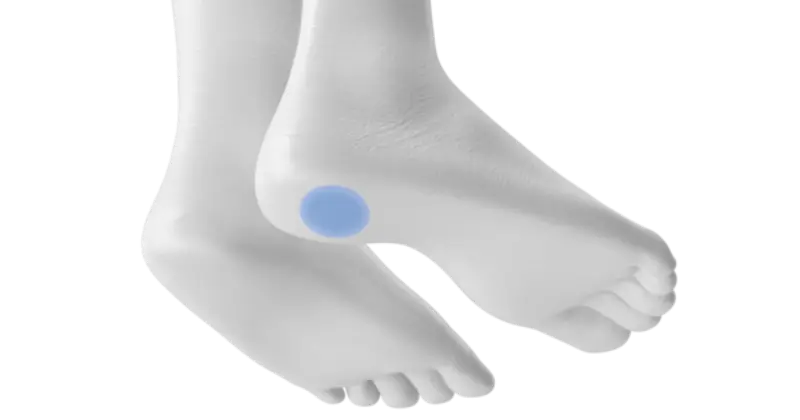
Heel pain is an inflammation of the heel area. In children, it is often linked to overexertion , sports injuries, or biomechanical malformations , such as flat feet or high arches . It can sometimes be confused with plantar fasciitis , but the main difference is that heel pain in children is almost always temporary and related to growth or intense physical activity.
Symptoms not to be underestimated

Heel pain in children is the most obvious symptom, but it's not the only one. The following may appear:
- stiffness or difficulty placing the foot on the ground,
- swelling and, in some cases, redness,
- lameness or alteration in gait,
- refusal to play sports or participate in active games.
The most common risk factors

Some conditions make heel pain more likely to appear in children:
- intense sporting activity (especially football, running, gymnastics),
- inappropriate shoes, too rigid or with little cushioning,
- overweight,
- anatomical anomalies of the foot,
- very rapid bone growth (typical in children between 7 and 14 years old).
How is it diagnosed?

The pediatrician or orthopedic specialist performs a complete physical examination , assessing posture, support, and pain upon palpation. In some cases, an X-ray may be useful to rule out stress fractures, or an MRI if the symptoms are persistent or complex.
How is heel pain treated in children?

Treatment is conservative in most cases. The most common protocol includes:
- rest, to reduce the load on the heel,
- application of ice 2-3 times a day,
- use of comfortable shoes are recommended o specific insoles for heel pain,
- physiotherapy with stretching and muscle strengthening exercises,
- in the most resistant cases, a pharmacological therapy (anti-inflammatories) or, very rarely, the temporary use of a brace or cast.
Can it be prevented?

Yes, and in most cases it's very simple. Here's how:
- choose good quality shoes, suitable for the child's activity,
- avoid overload and alternate high-impact sports with lighter activities,
- maintain an appropriate body weight,
- to introduce stretching exercises in the weekly routine, especially after sports.
When to see a doctor?

It is important to consult a specialist if:
- the pain is severe and lasts for more than a few days,
- the child limps or refuses to walk,
- there is obvious swelling or persistent tendon pain,
- changes in the structure of the foot are noted.
SmartHallux and the approach to pediatric heel spurs

Dr. Luigi Manzi , an orthopedic surgeon specializing in foot surgery, offers a targeted approach at SmartHallux , even for younger patients. Thanks to minimally invasive techniques , personalized assessments, and a multidisciplinary team, treating heel pain in children is effective, safe, and rapid.
The SmartHallux team treats conditions such as hallux valgus , Morton's neuroma , and other deformities that cause foot pain. Providing comprehensive support throughout the treatment process, SmartHallux can be a winning choice for effective treatment tailored to your needs. Book your specialist consultation with the SmartHallux team now (opens in a new tab).