
Tendonitis remedies: a complete guide
Tendonitis remedies range from rest, ice and anti-inflammatories to stretching, physiotherapy and shockwave therapy. What helps and when to see a doctor.
By Dr. Luigi ManziUpdated on
What is Achilles tendinitis or tendinopathy ? It's a condition that leads to inflammation of the tendons, almost always triggered by chronic repetitive micro-stresses. In this article, we'll analyze possible remedies for tendinitis.
Those most at risk are those whose work requires heavy use of certain body parts. The same applies to athletes, even amateurs, who can risk overuse of tendons, causing them to experience excessive physiological stress. Of course, there are also cases in which a natural anatomical predisposition and specific muscle weakness lead to the onset of the problem.
Generally, the tendons most susceptible to tendinitis are those near joints, such as the ankle tendon, but also the knee, elbow, and shoulder. Tendinitis manifests itself primarily with pain, accompanied by swelling and redness in the affected area. Other symptoms of tendinitis include reduced elasticity, impaired mobility, and a feeling of stiffness, which increases the risk of more serious injuries.
In summary, the symptoms of tendonitis are:
- Sensation of pain when performing specific movements;
- Pain on palpation;
- Swelling and redness;
- Joint stiffness;
- Sensation of joint instability;
- Loss of strength of the involved muscles;
- Thinning, lengthening and fragility of the tendons.
Early recognition of the onset of the problem can be very important. Intervening to prevent the worsening of tendonitis helps promote a positive and less complicated outcome.
Diagnosis of tendinitis

During a medical examination with a specialist to determine if you suffer from tendinitis, the first step involves a functional assessment of the body part affected by the pain. Through an initial analysis, based on your pre-existing medical history and any family history, as well as palpation, the doctor will be able to determine whether or not you have tendon inflammation and attempt to correct postural defects or reduce the overload that causes the inflammation.
In some cases, it will be necessary to further investigate the diagnosis with specific tests and imaging tests such as ultrasound, X-rays, and MRI. This will help assess the extent of the problem and the type of intervention needed to address the underlying cause, which varies depending on the tendon involved.
If tendinitis is confirmed, the specialist chooses to apply conservative therapy or, when tendinitis presents complications, such as calcification and rupture, surgery.
Conservative therapy for tendonitis may consist of:
- Absolute rest;
- Use of braces for load management;
- Compression and Elevation Technique (RICE)
- Physiotherapy and stretching exercises to recover muscle strength and joint stability.
The use of anti-inflammatory drugs (nonsteroidal or corticosteroid) can be useful in reducing inflammation in the painful area of the body.
Non-surgical treatments for tendonitis
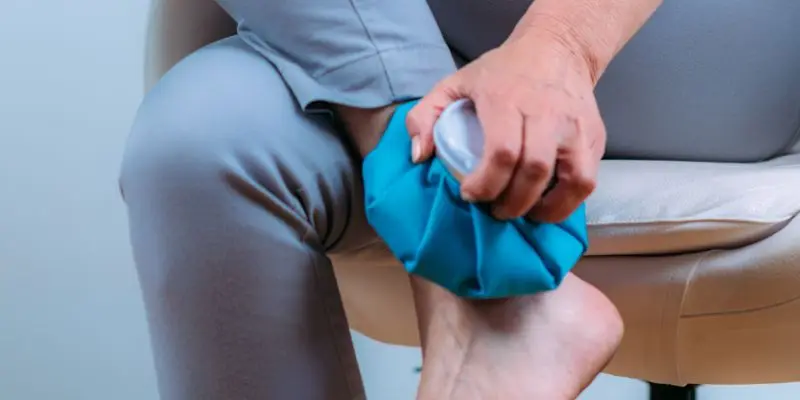
After a diagnosis of tendinitis, the first recommended approach is usually conservative, consisting of rest, accompanied by the application of ice to the affected area. Reducing physical activity and exertion helps prevent aggravation, while the application of ice reduces swelling and numbs the affected area, thus reducing pain. Taking anti-inflammatory and painkilling medications is also recommended, which help combat the pain.
These therapies also include physiotherapy and the use of customized orthotics. Physiotherapy aims to improve mobility and flexibility in the affected area, while the orthotics relieve general pressure on the tendon.
Conservative treatments can usually last several weeks and, depending on the severity of the condition, even months. Patients are usually able to combat tendonitis with these treatments. Unfortunately, however, these treatments do not always permanently resolve the problem, and surgery may be necessary.
Surgery for tendonitis
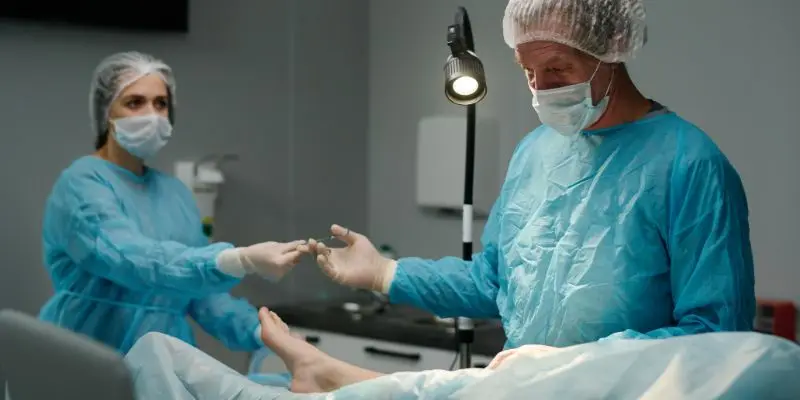
Doctors recommend surgery when conservative treatments are ineffective and the patient continues to suffer from the typical symptoms of tendinitis. Surgery is also essential to repair a complete rupture of the inflamed tendon and sometimes to remove calcifications.
The type of tendonitis surgery varies depending on the severity of the condition and the patient's general health. When tendonitis is debilitating but not yet at its most severe, a tenotomy or tenodesis is performed. Tenotomy involves removing the damaged tendon tissue and possibly lengthening it. Tenodesis, on the other hand, involves repositioning the same tendon or another tendon to support it.
In more severe cases of tendinitis, however, the option is to reconstruct the tendon itself, which is replaced with a graft or regenerated with the help of stem cells.
Prevention of tendonitis
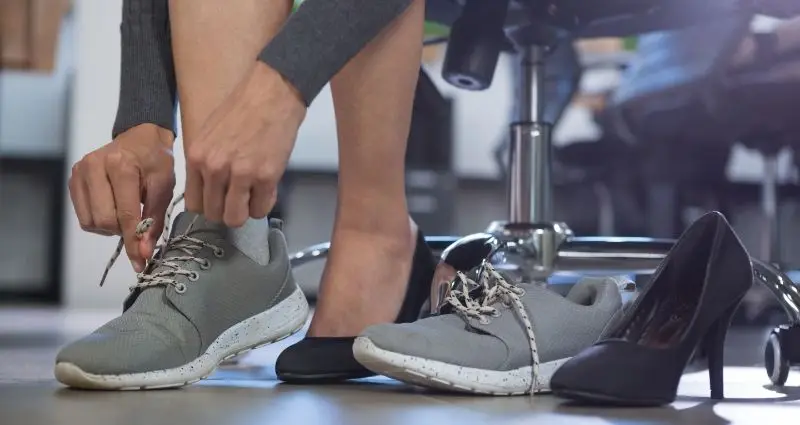
What can be done to prevent tendinitis? There are a number of best practices to prevent tendinopathy, especially in the lower limbs. First and foremost, wear appropriate footwear when walking and maintain proper posture. If you engage in physical activity, warm up properly, stretch regularly, and ensure proper recovery. Furthermore, for runners, it's advisable to avoid running on slippery, hard (asphalt) or soft (sand) surfaces. Instead, opt for even surfaces, preferably of intermediate consistency.
When to see a doctor

Treating tendonitis early can significantly reduce fragility and long-term damage. If you think you have tendonitis, ignoring the symptoms, even if they're mild at first, can be a serious mistake.
By requesting the assistance provided by SmartHallux specialists, it is possible to take advantage of advanced therapies such as those based on stem cells.
SmartHallux 's innovative techniques not only reduce the need for more invasive procedures, but also reduce post-operative recovery times.
The time it takes to heal from tendonitis varies depending on the severity of the injury and the type of treatment used. Most people experience some relief from symptoms within a few weeks, but it may take several months to fully recover. SmartHallux offers a combination of efficiency, speed, and convenience that few can match.
Book your specialist appointment now at one of our locations throughout the country.